

The Best Photography Immersion I've Experienced in Mongolia!
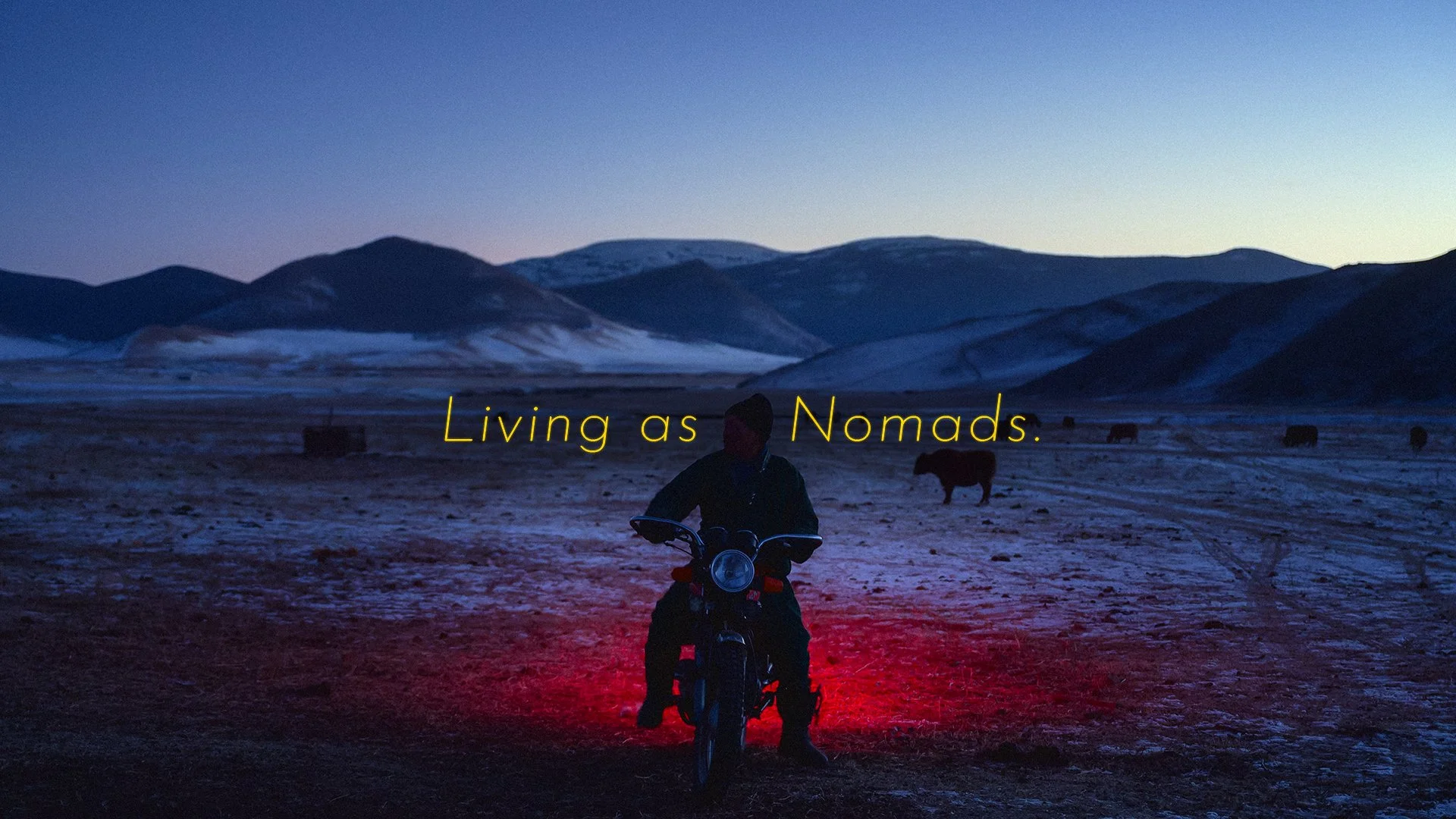
Mongolia: The Reality of Winter in the Deep Countryside
Most people go to Mongolia and stick to the "tourist loop" near Ulaanbaatar. They hit Terelj, take a picture with an eagle, sleep in a heated camp, and go home. That’s fine for a vacation.
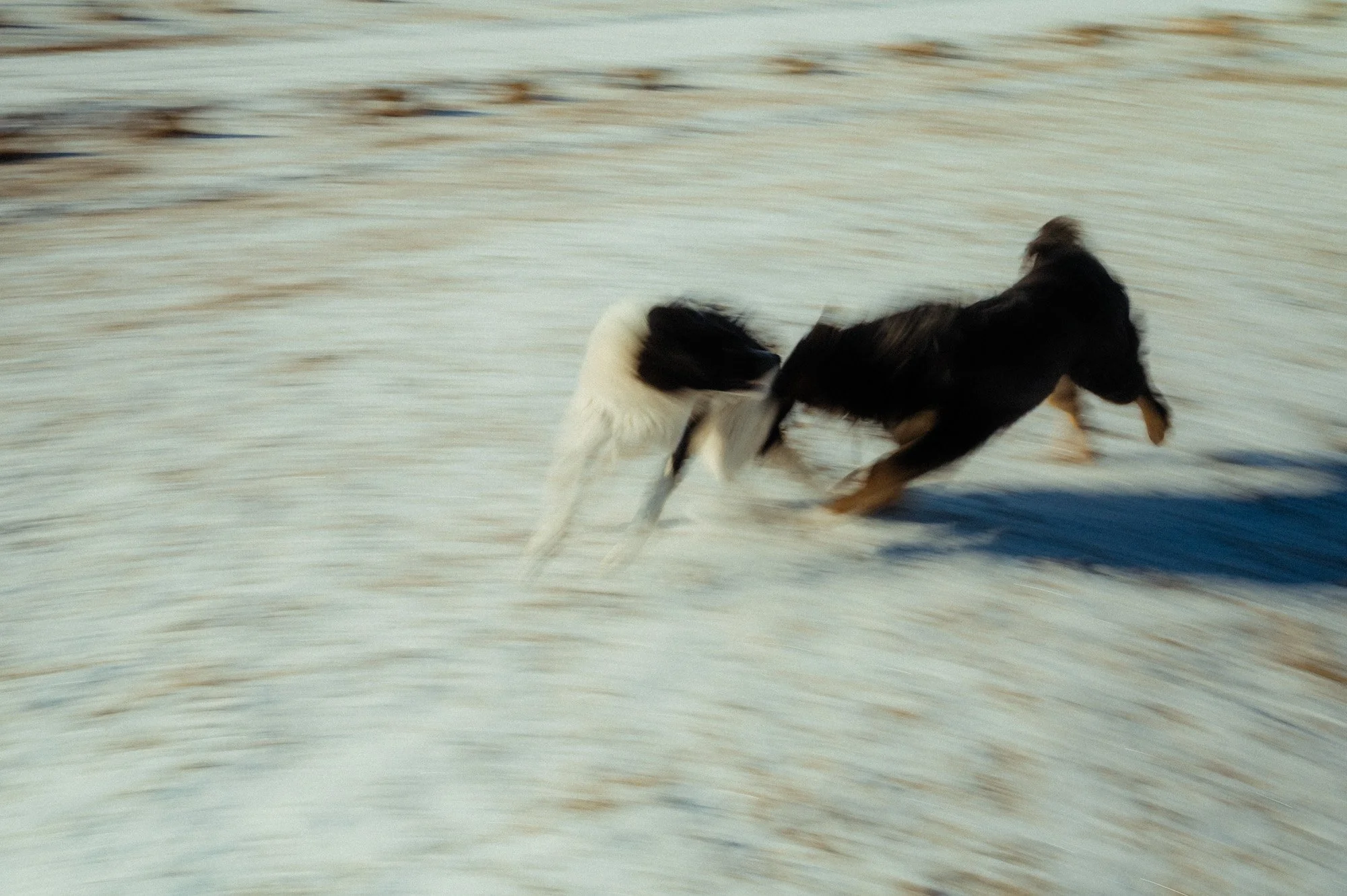
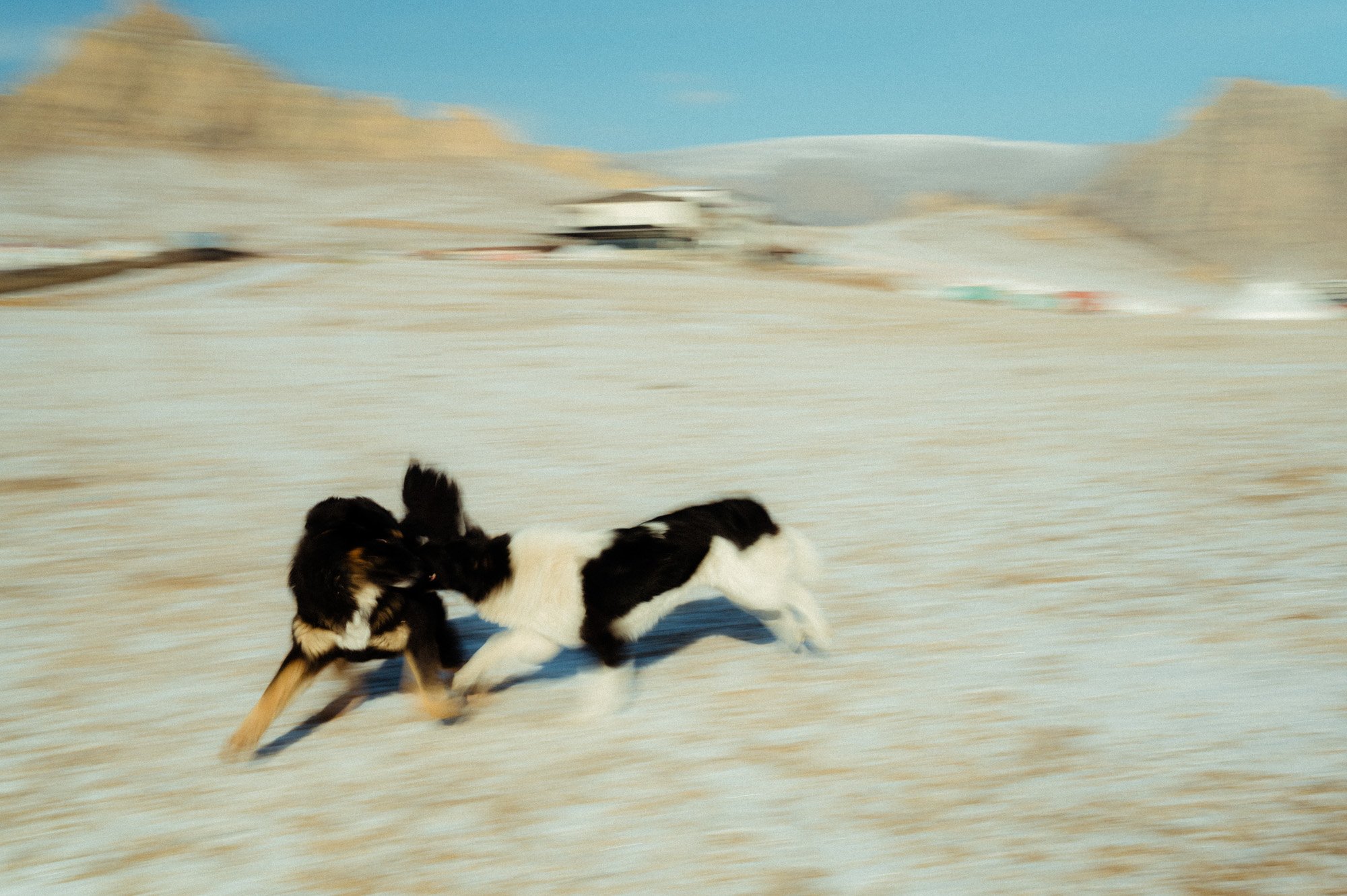
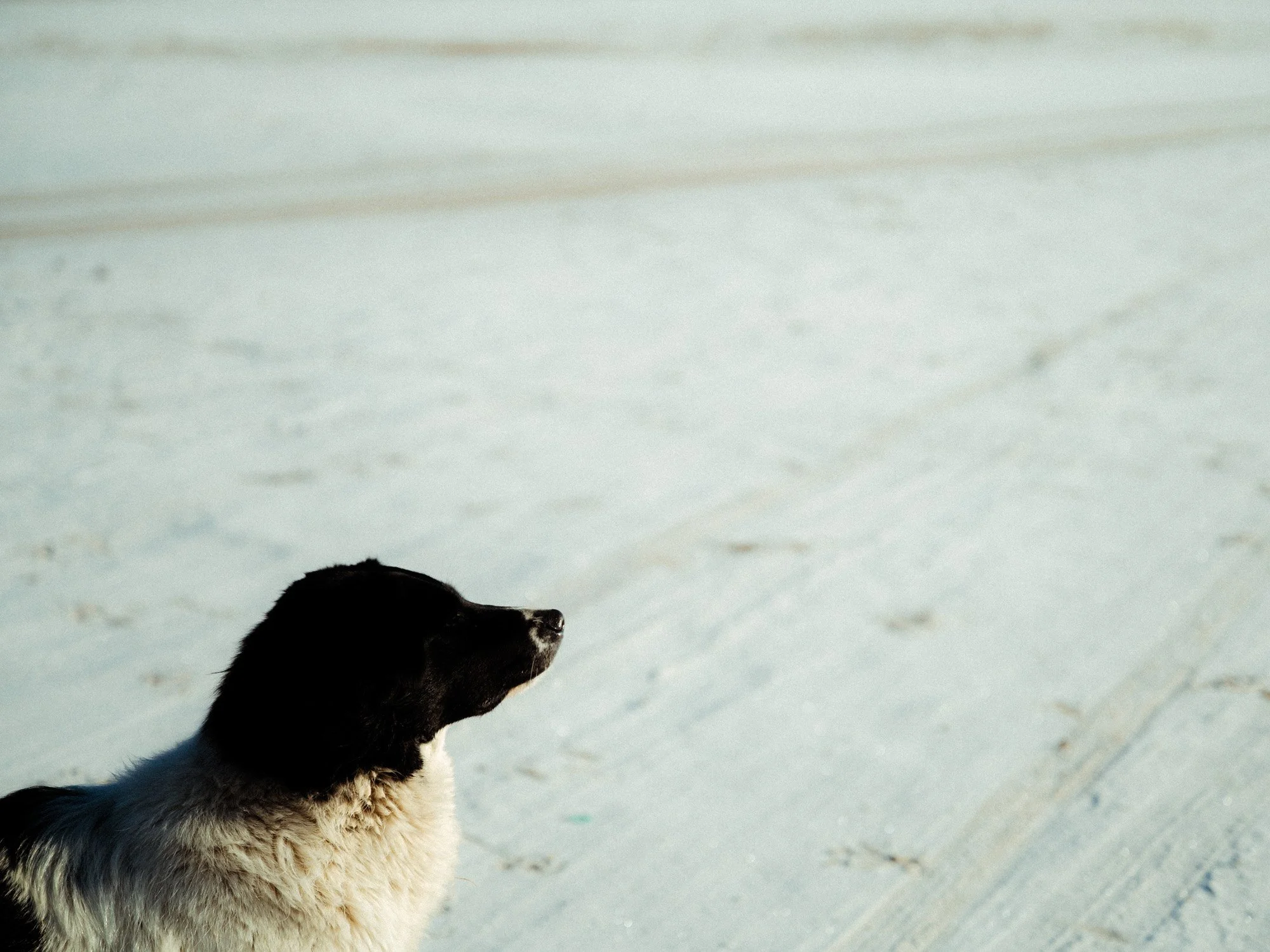
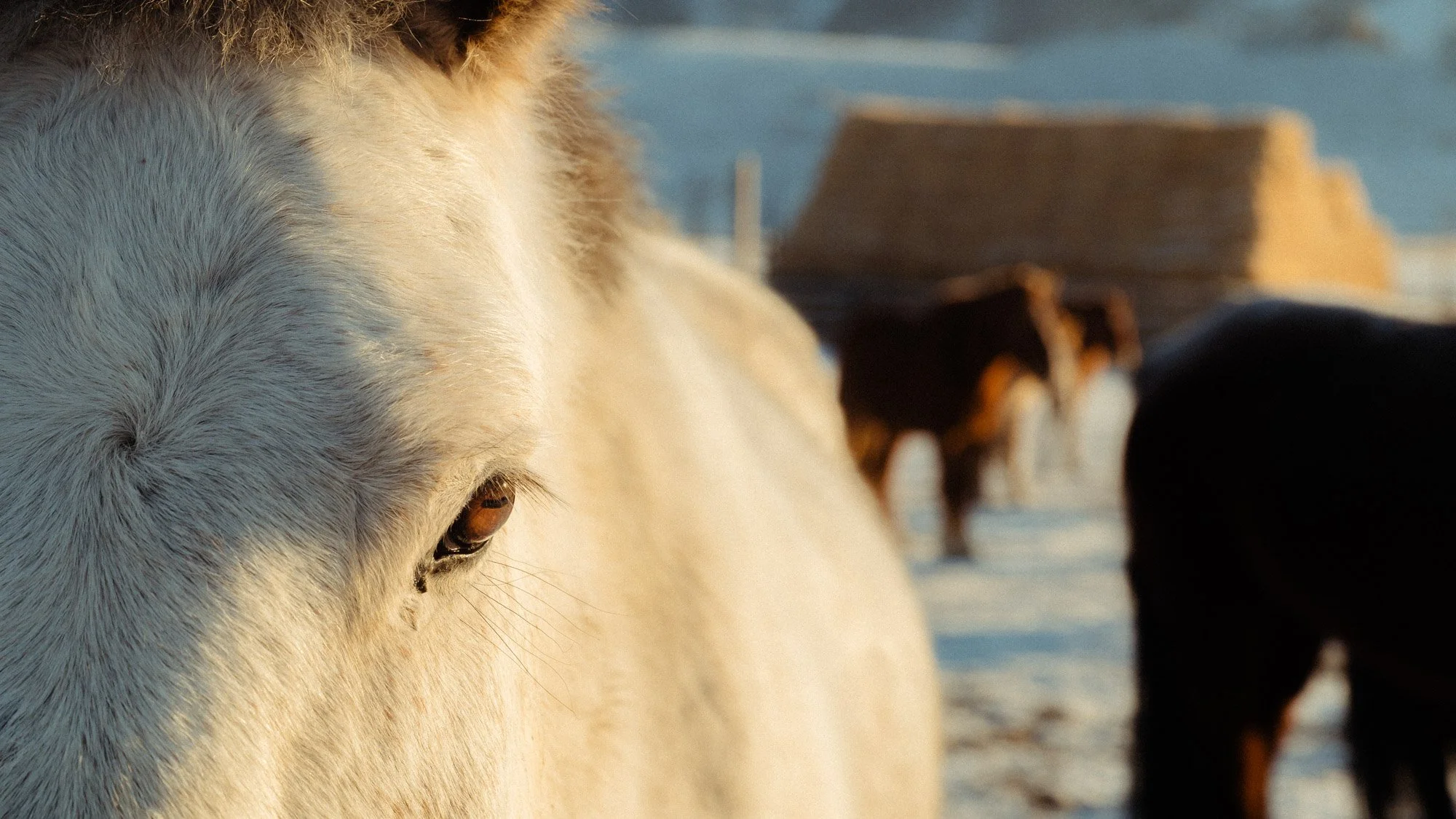
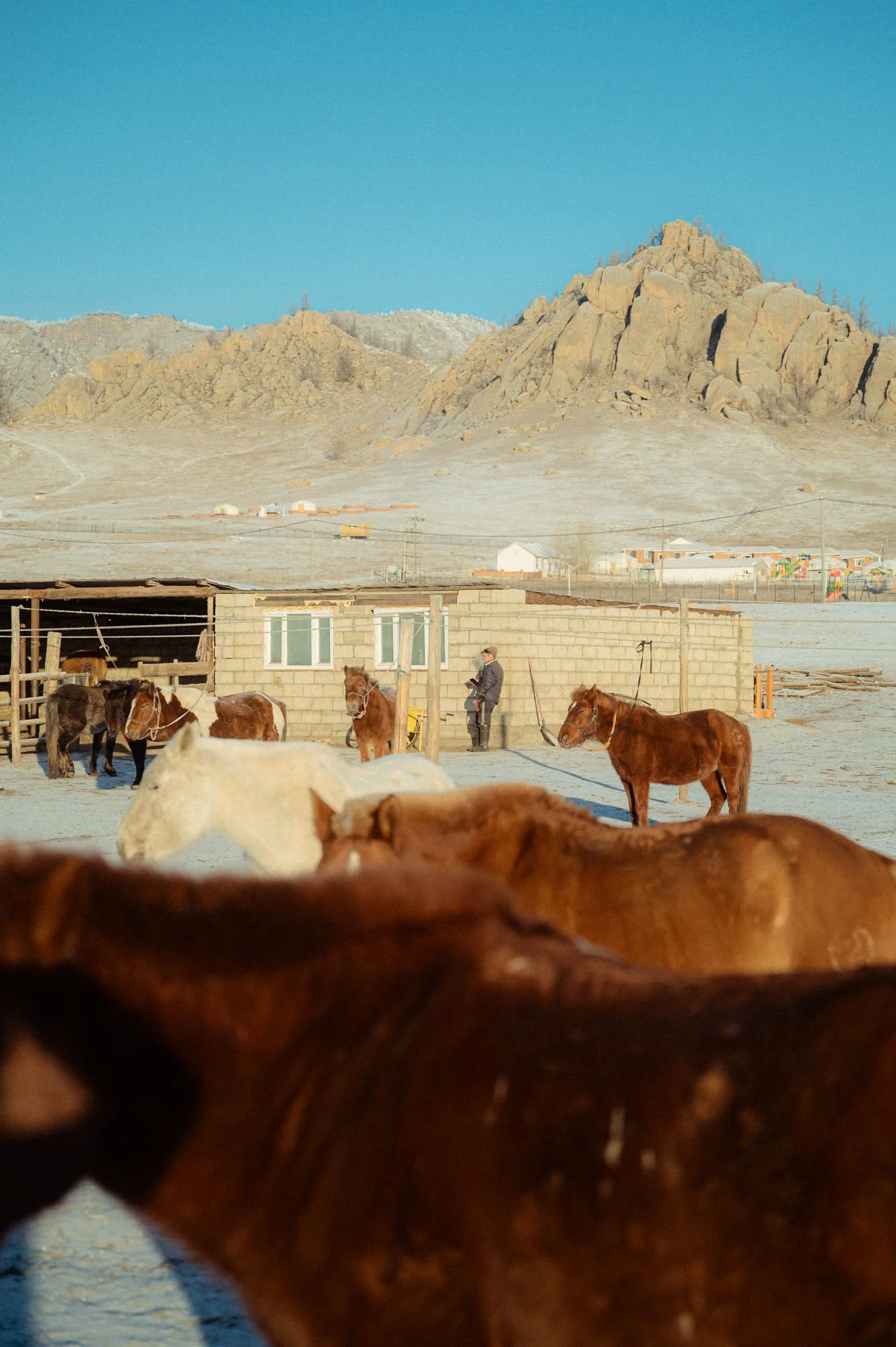
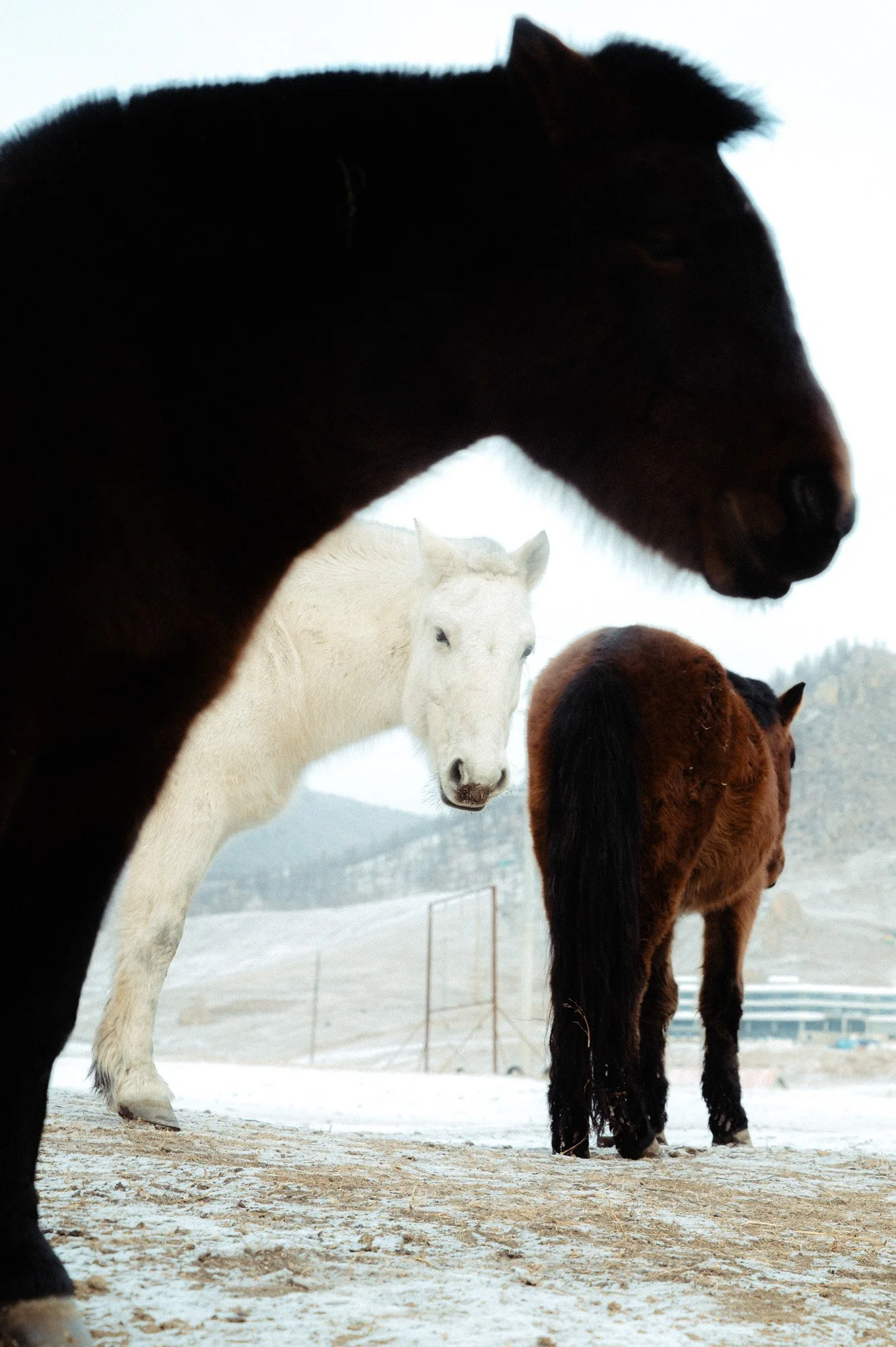
However, touristic places are popular for good reasons. Even if it gets crowded, Terelj remains beautiful. I am very happy with the pictures I took there, especially of the horses and the farm dogs. But if you want actual silence and photos that don't look like everyone else's, you have to leave the comfort zone.
I found someone who could drive me to Terelj. It’s a very common thing to find a local who can be your taxi for the day. I really recommend you ask many people first because prices can increase drastically. They will always try to get more money from you.
Once you find a trustworthy person, then you can try to ask more about your trip, but it looks like this region is ONLY for tourists, and I couldn't escape from it.
But let's be honest, if you are a good photographer, you can get good pictures anywhere! And I think I was lucky with the weather because it helped me a lot in getting this freezing atmosphere!

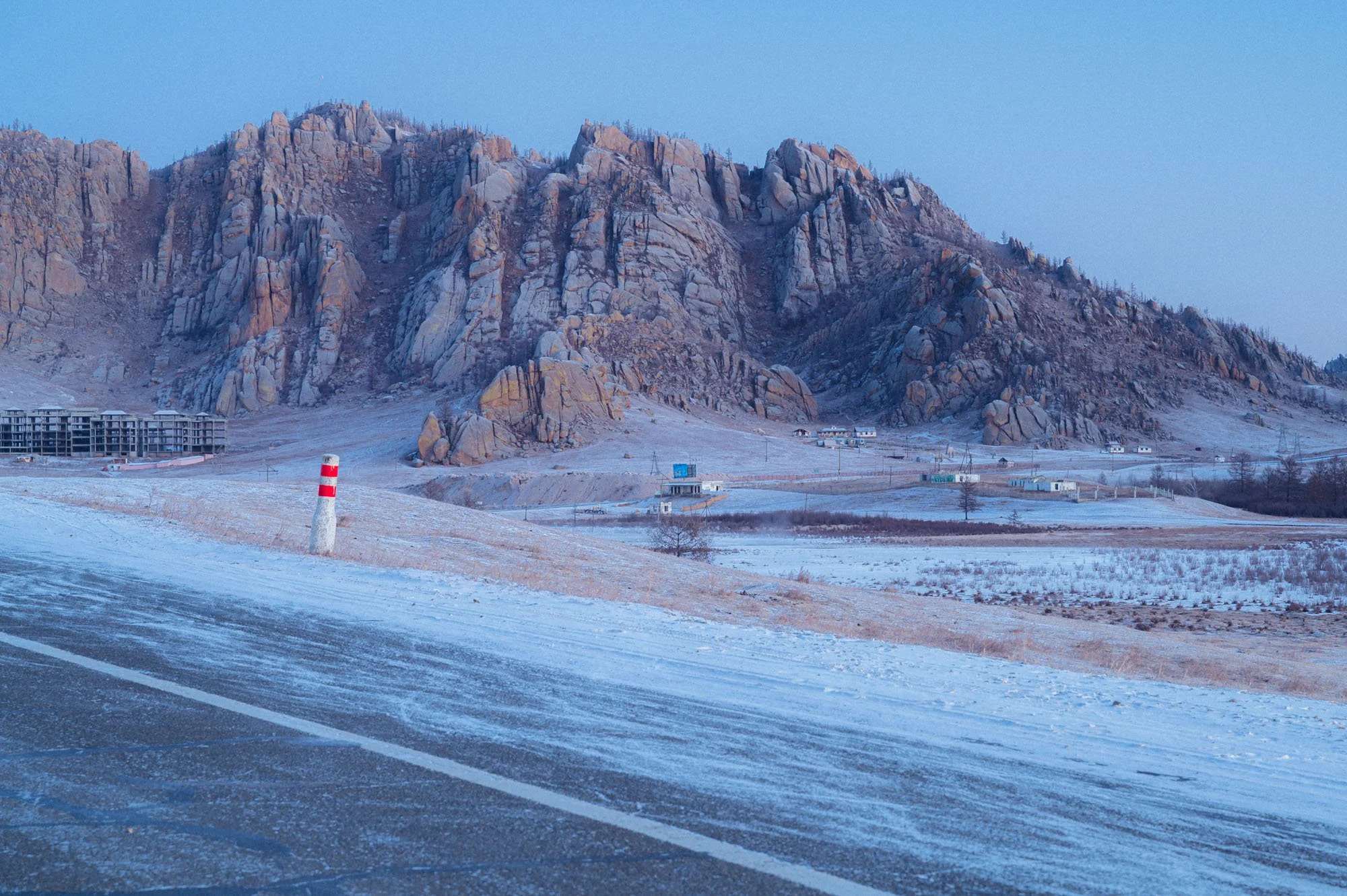
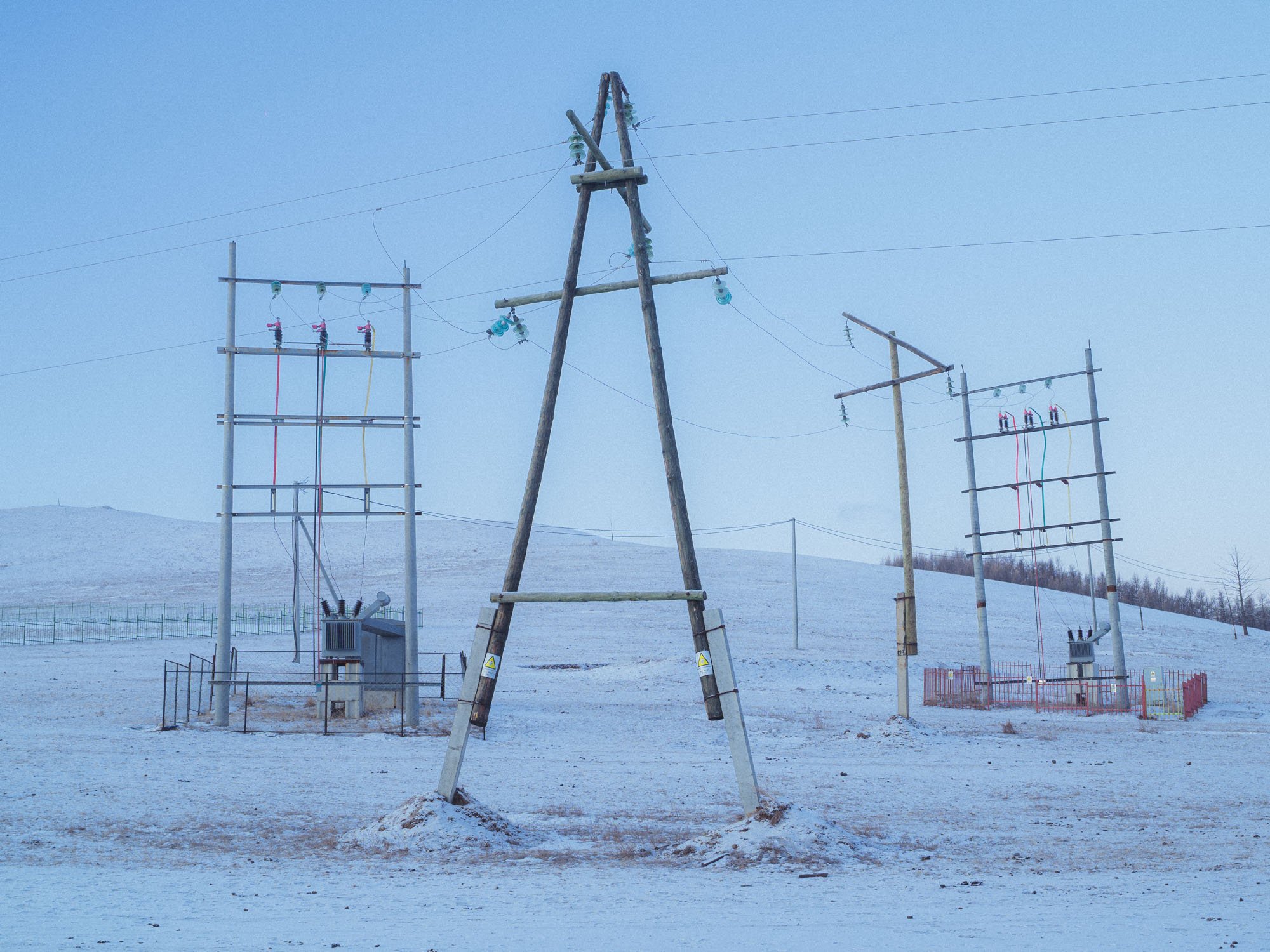
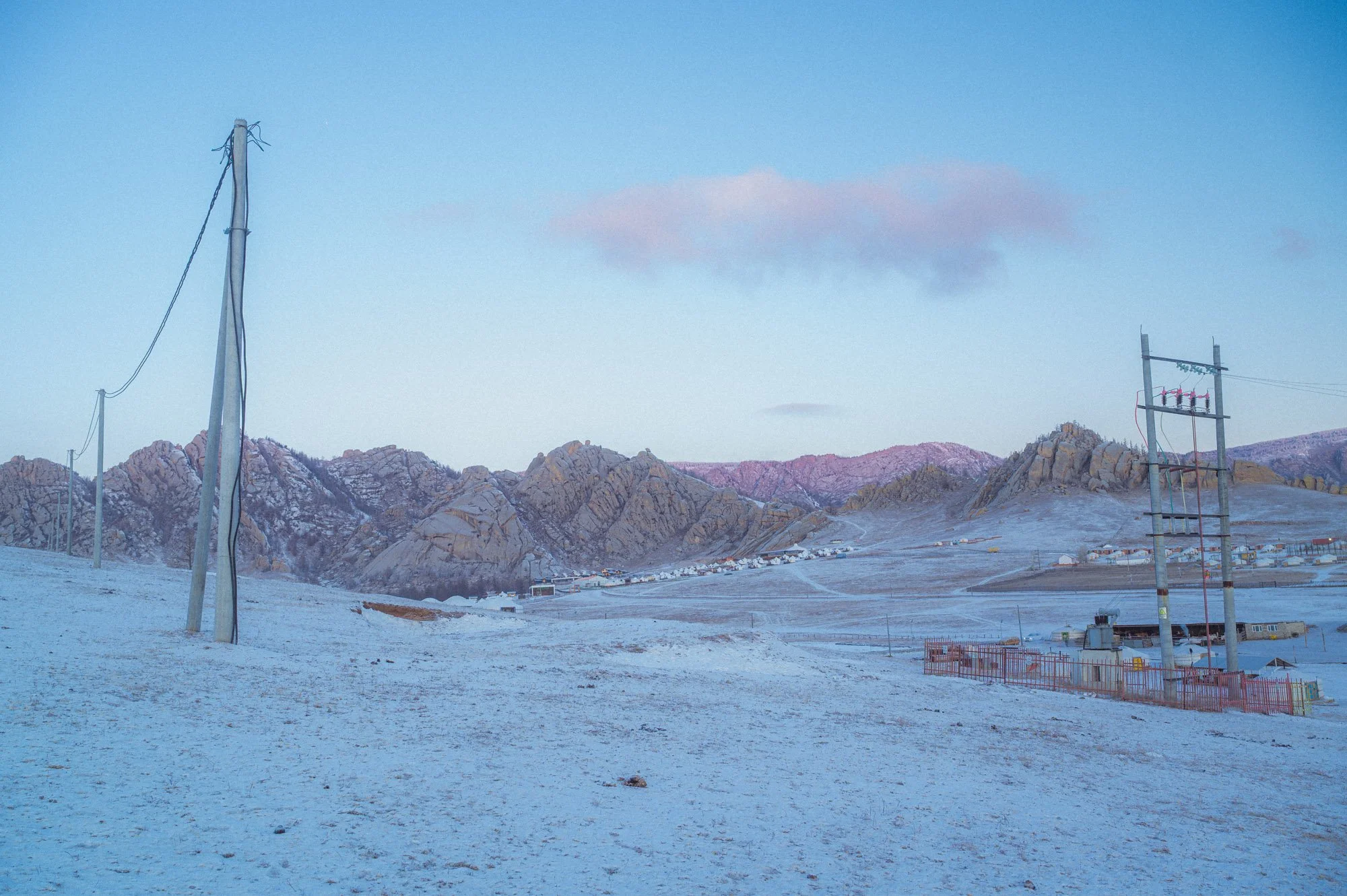
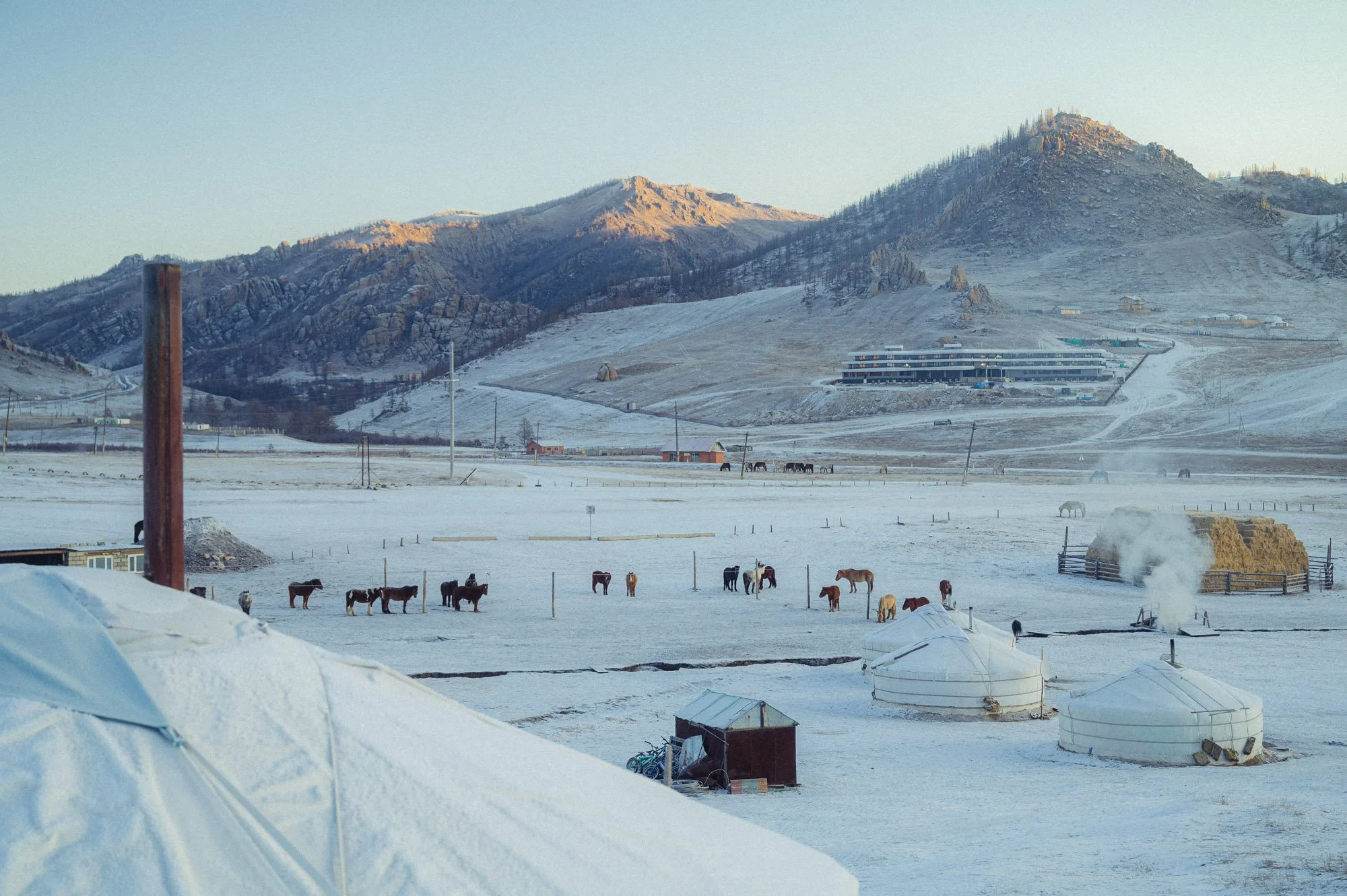
The Ghost Town and the Dogs
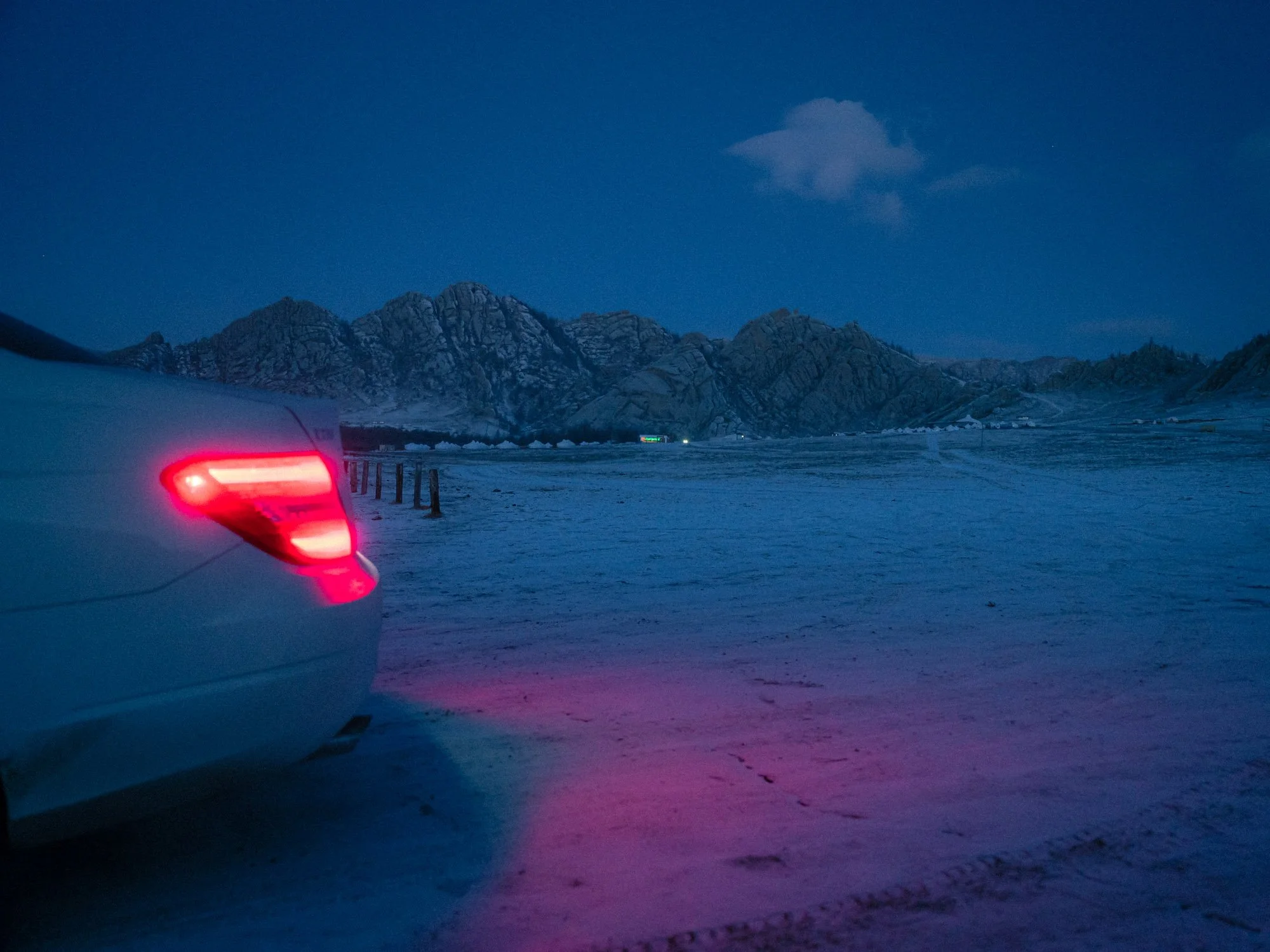
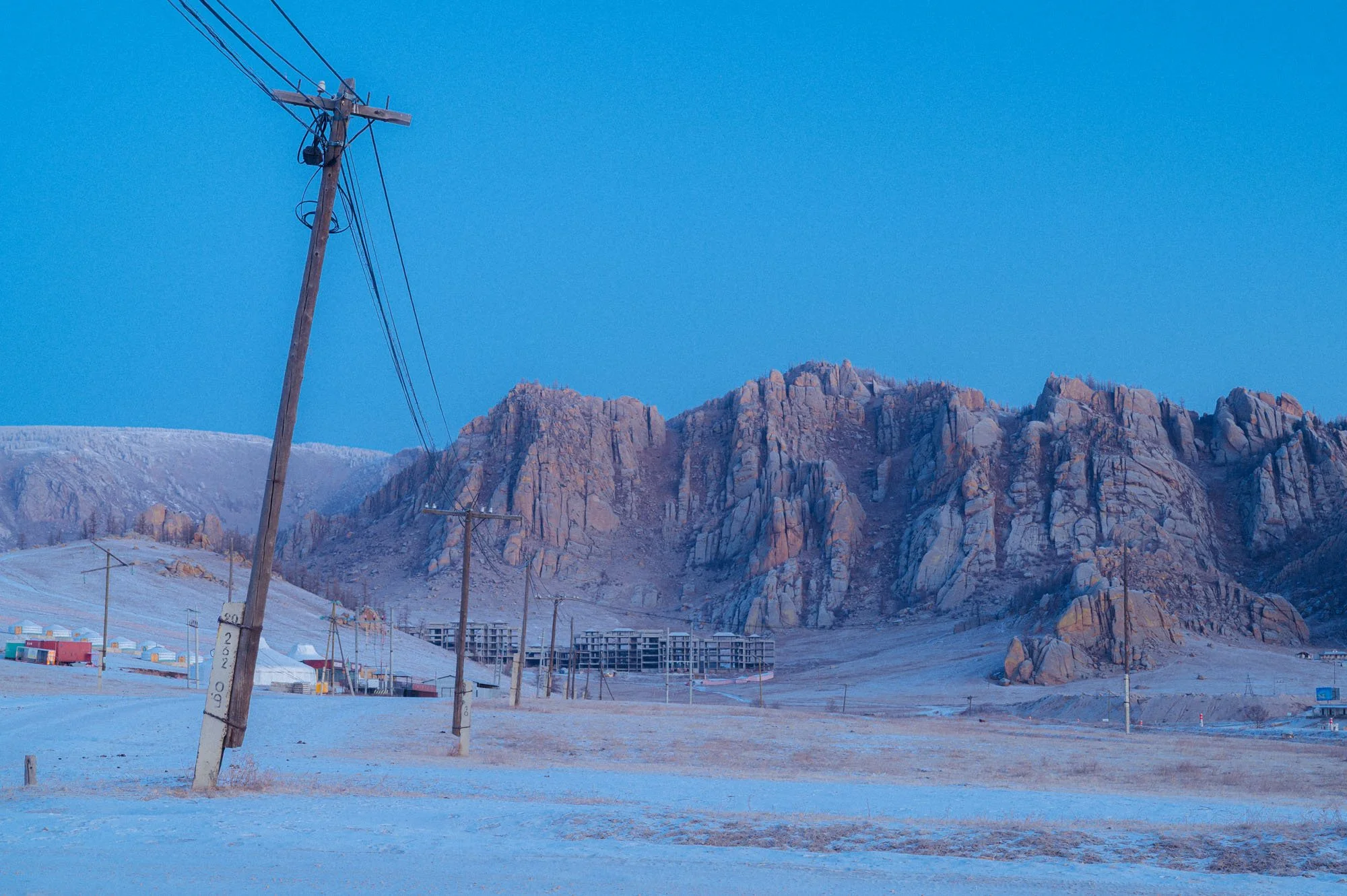
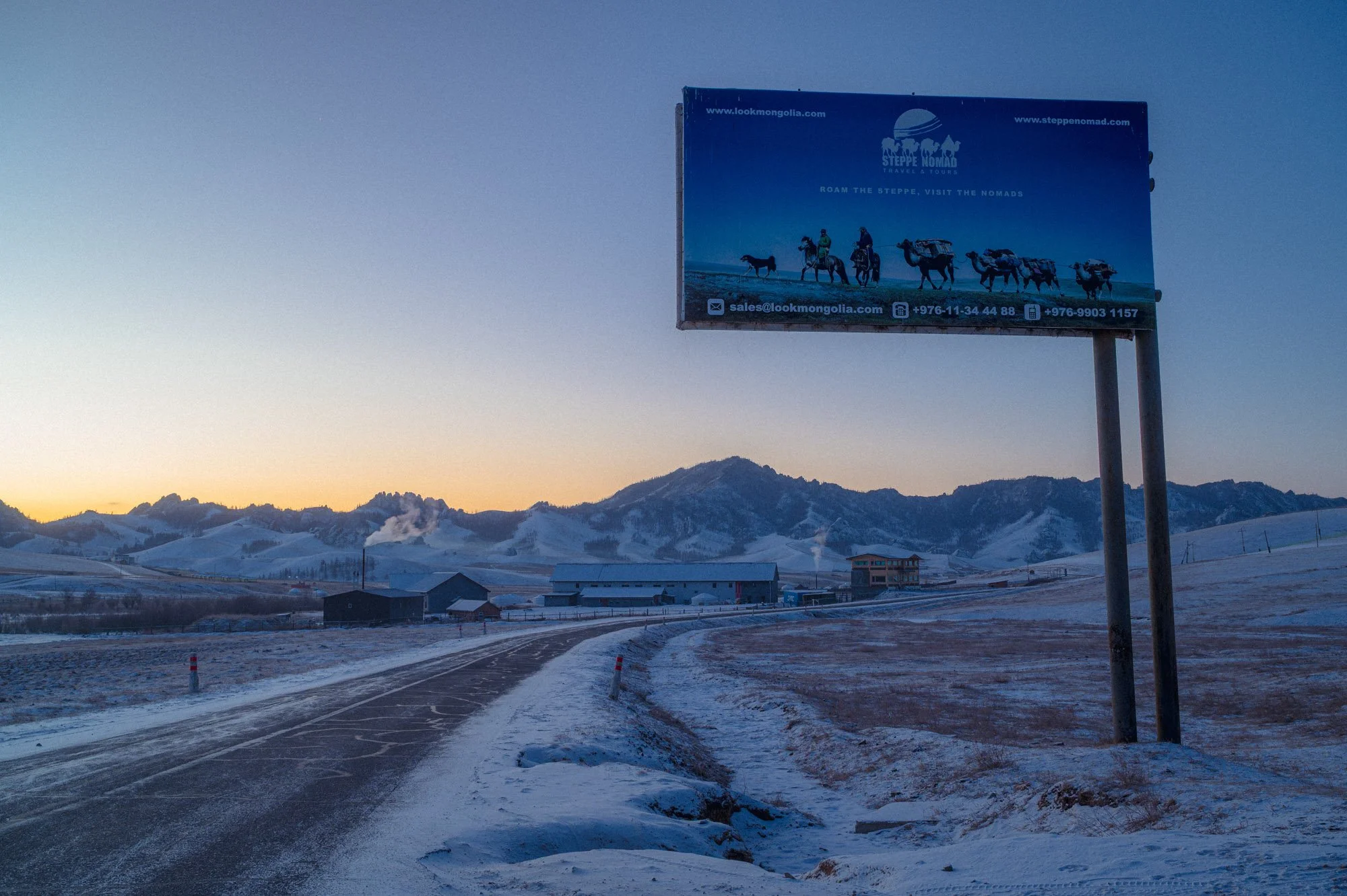
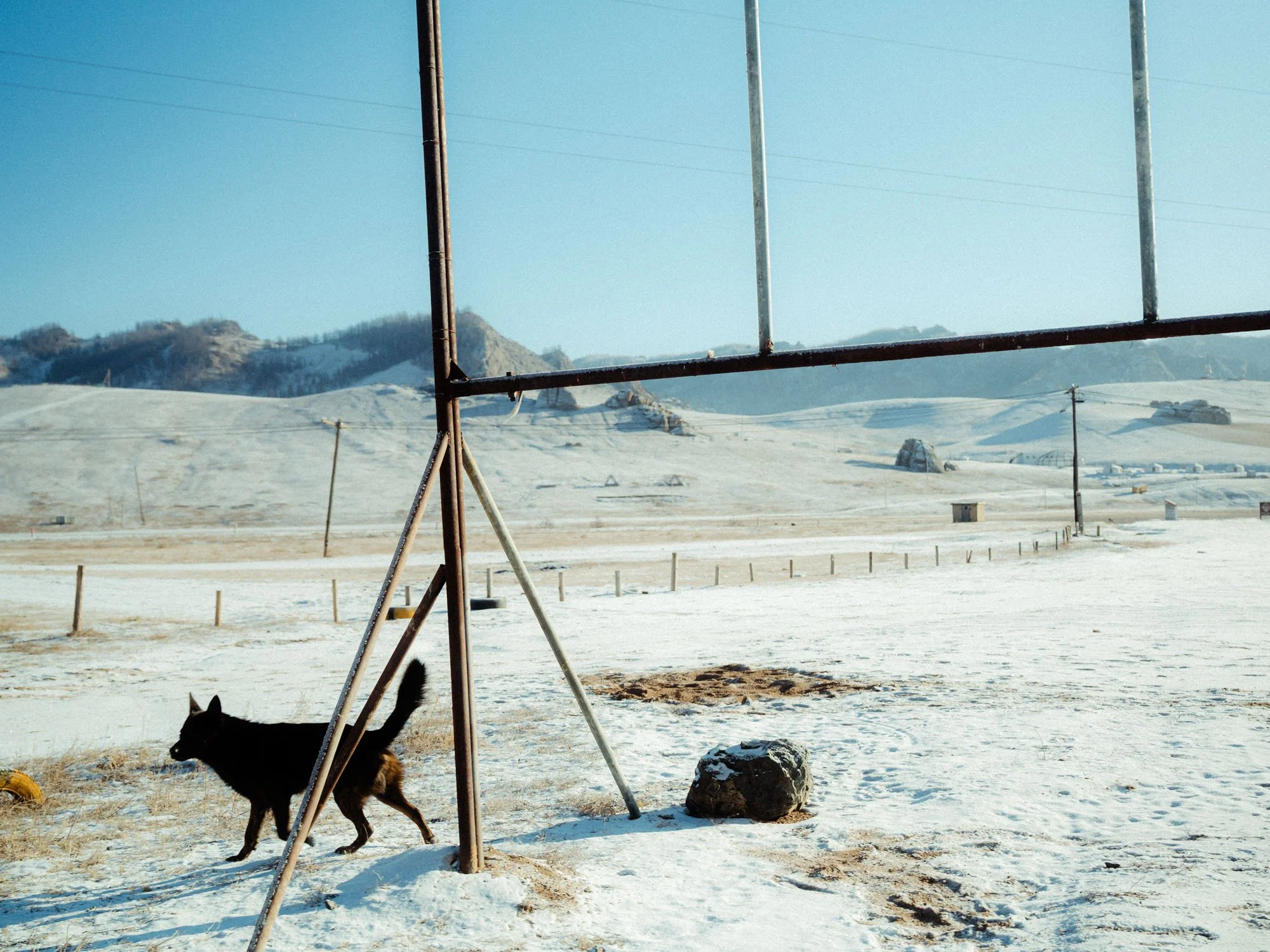
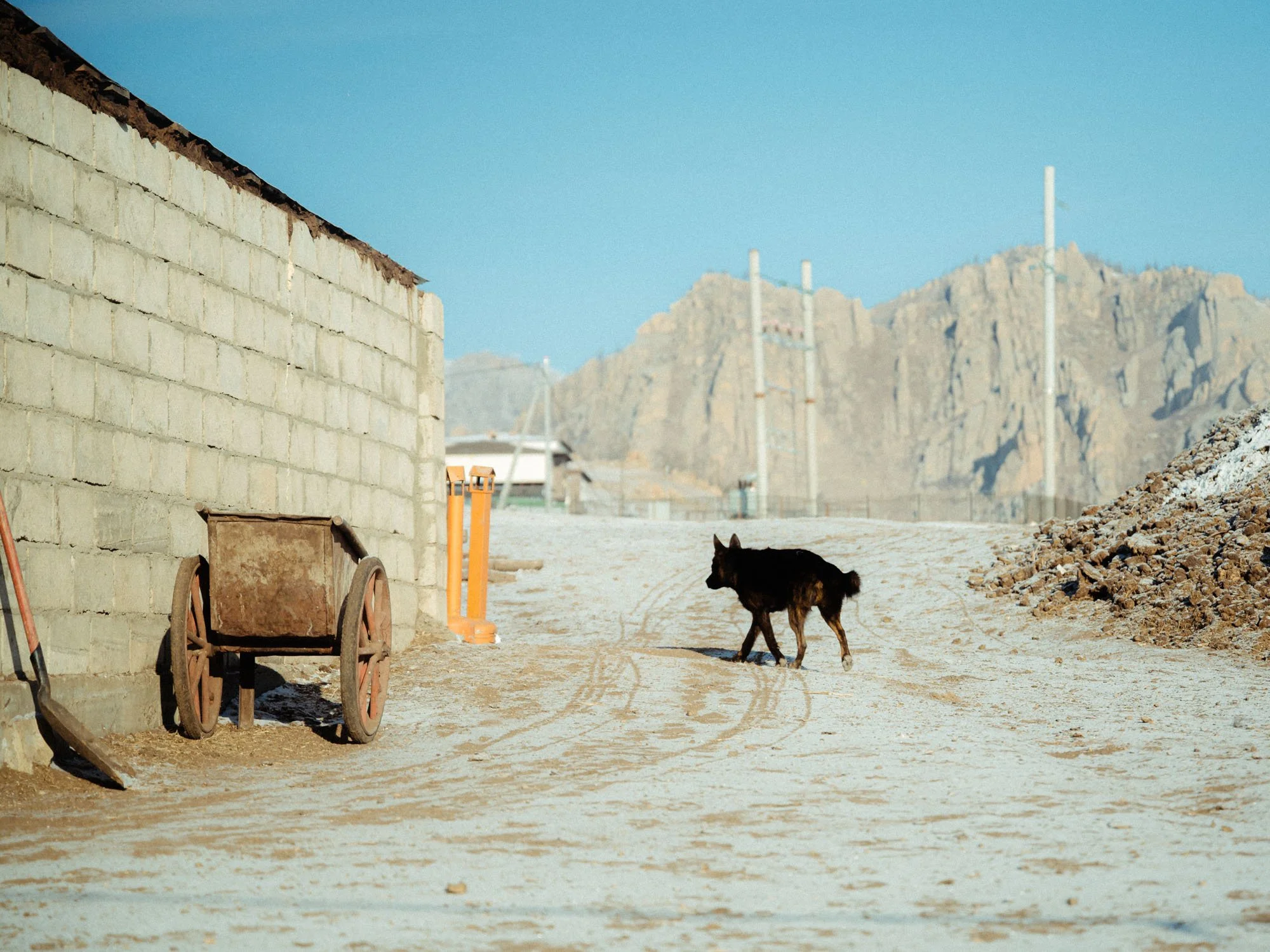
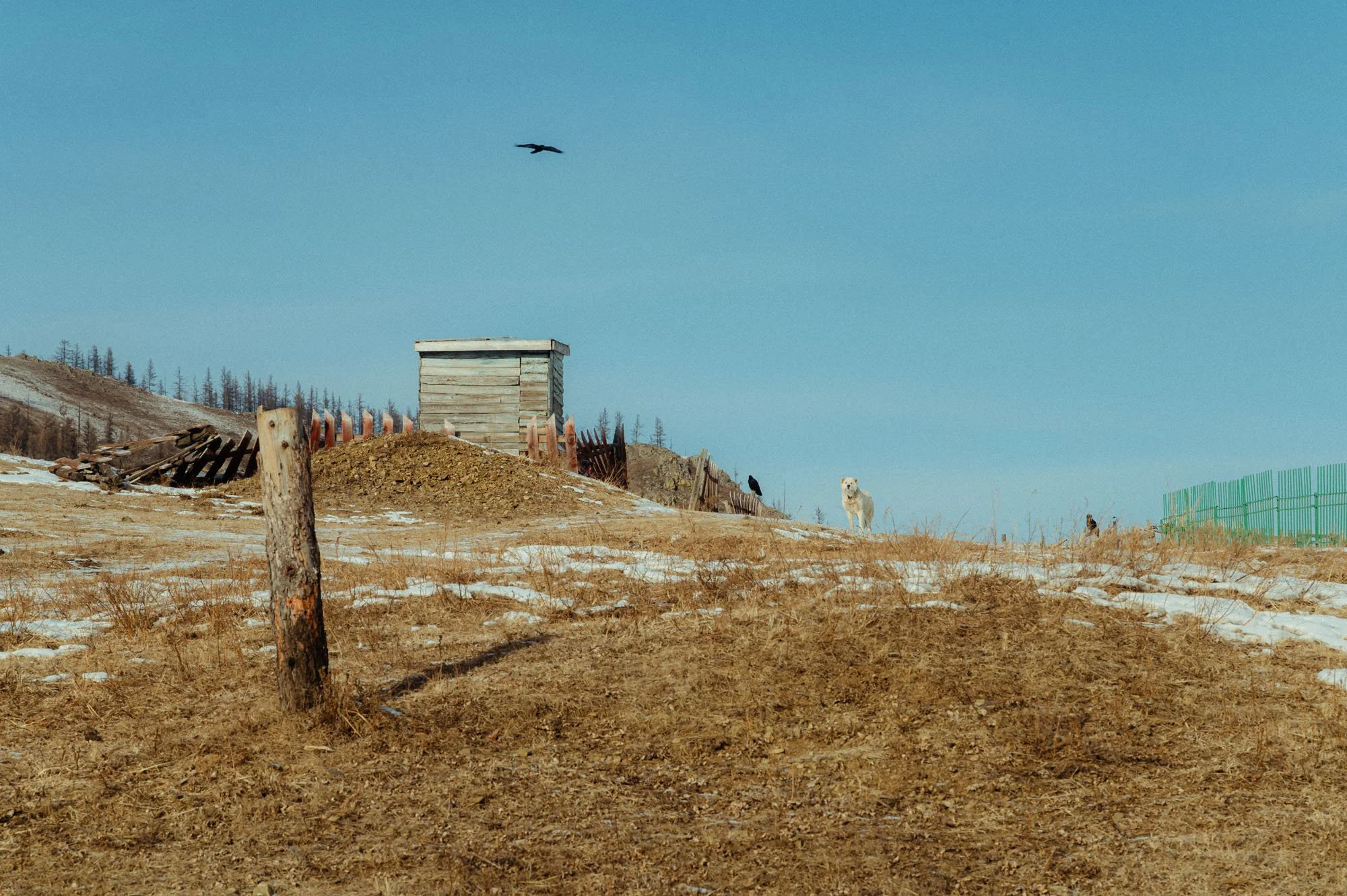
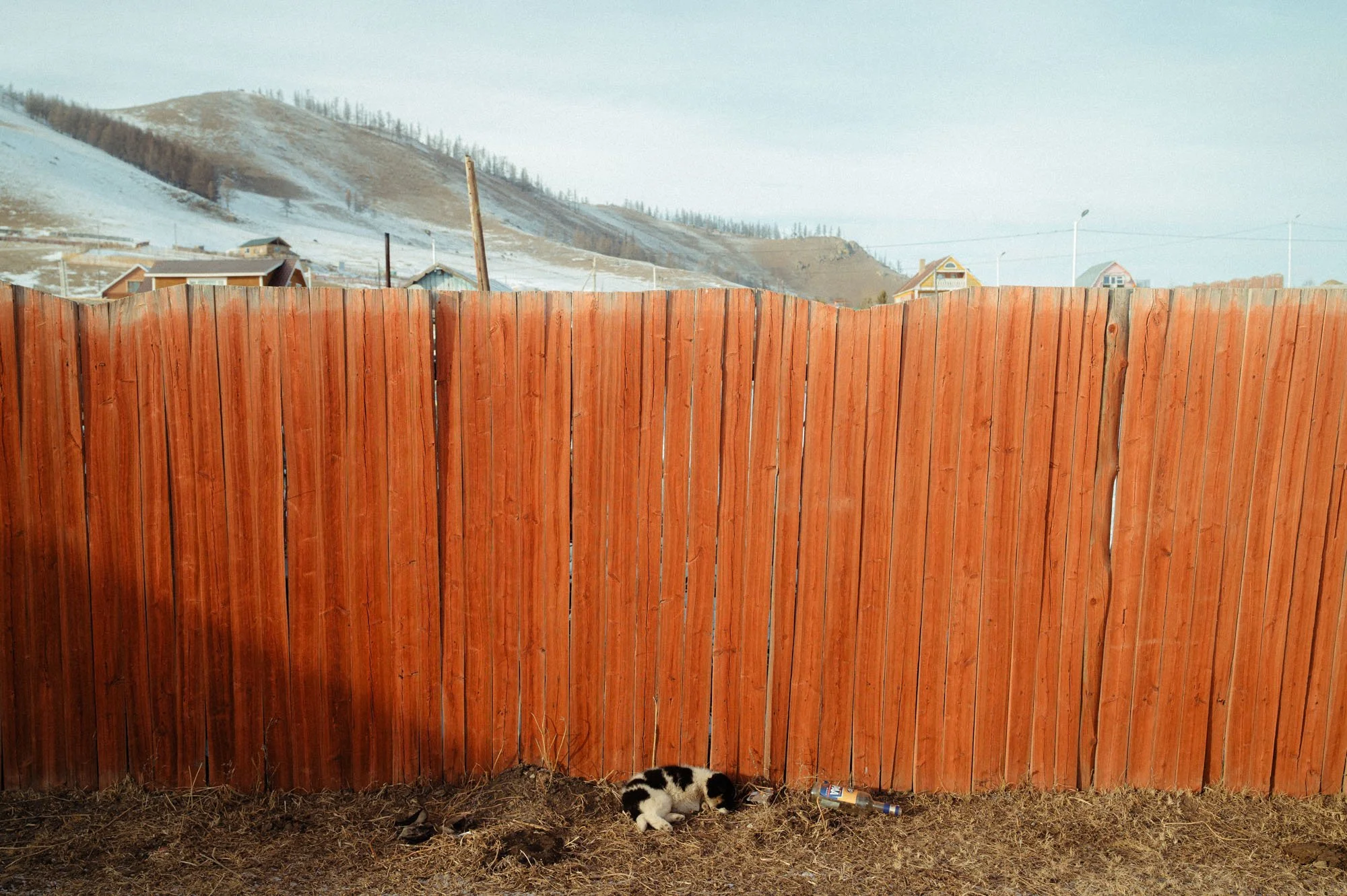
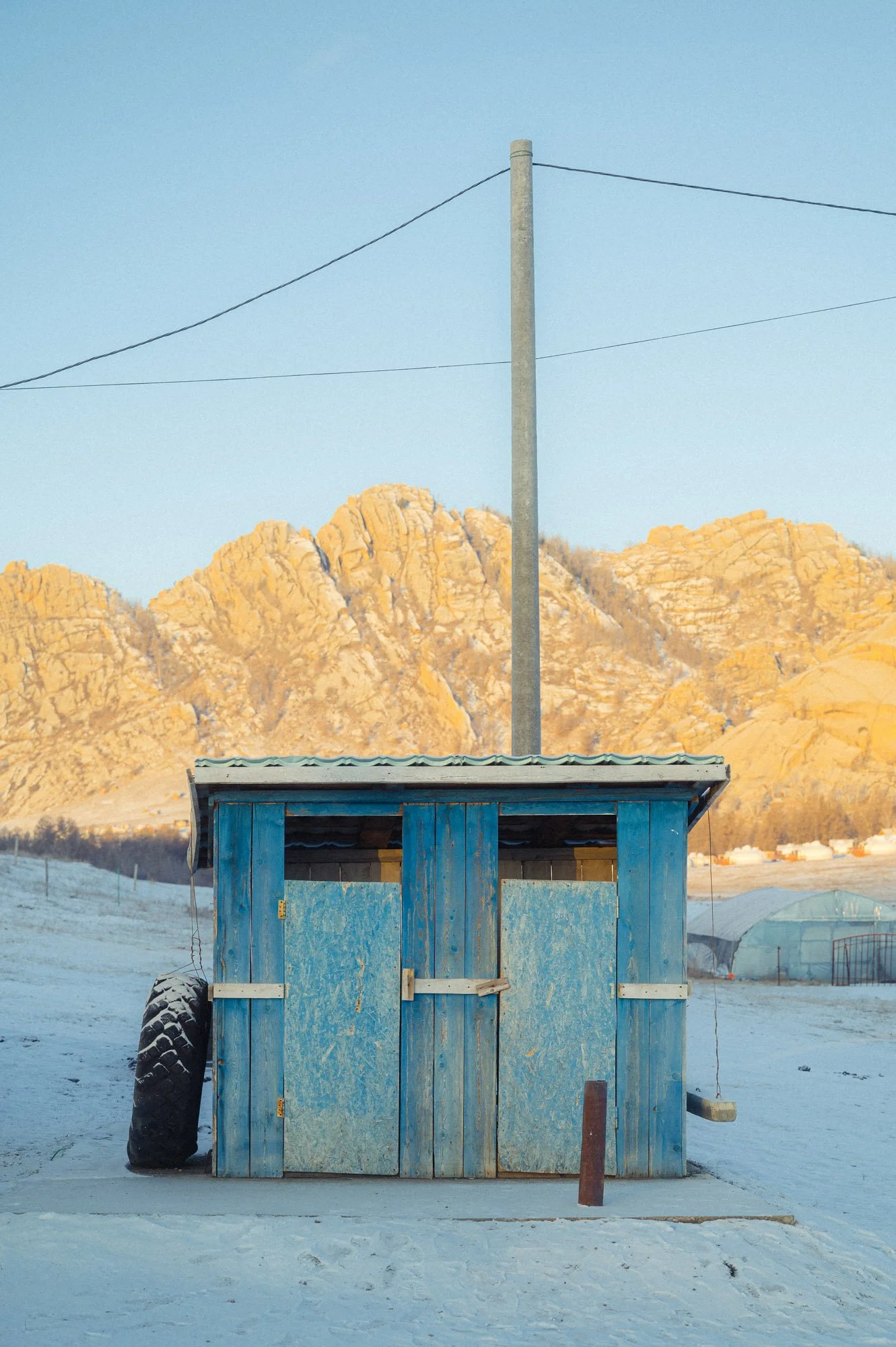
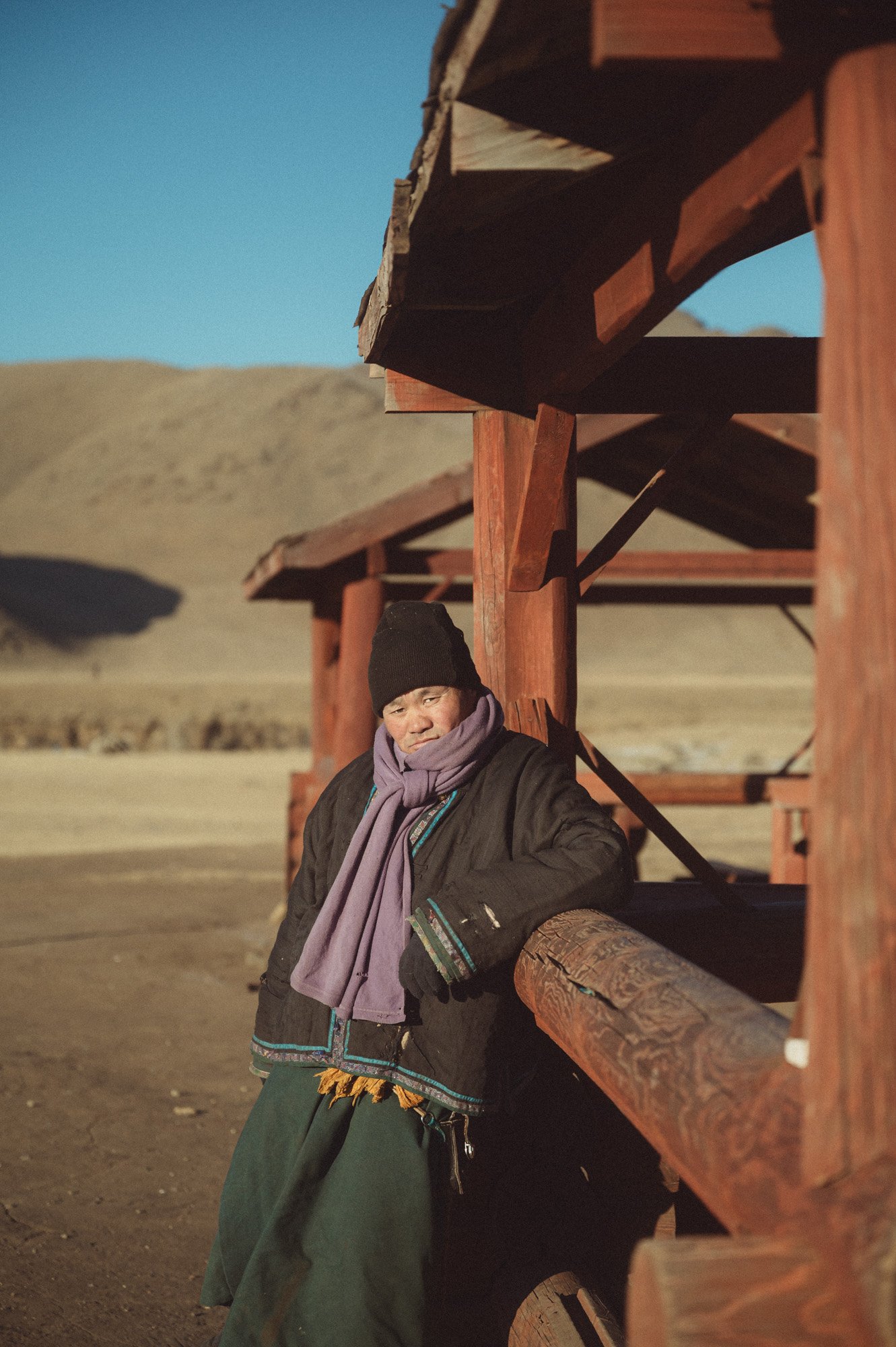
I visited a village called Bat-Ulzii. In winter, the place is dead; everyone stays inside. Walking through it feels like a movie set—it has a unique, almost "western" look, with wooden fences and structures everywhere. It's one of those exploration I love, you are alone, feel lost completely elsewhere but you wander around and try to feel this area to get this feeling in your photos.
The kind of moment alone that pushes you to think about what you do and your role as a photographer. And this feeling of being lost is one the reason I am traveling and talking about it there will be an other post (and video) about an other place I visited near the goby desert.
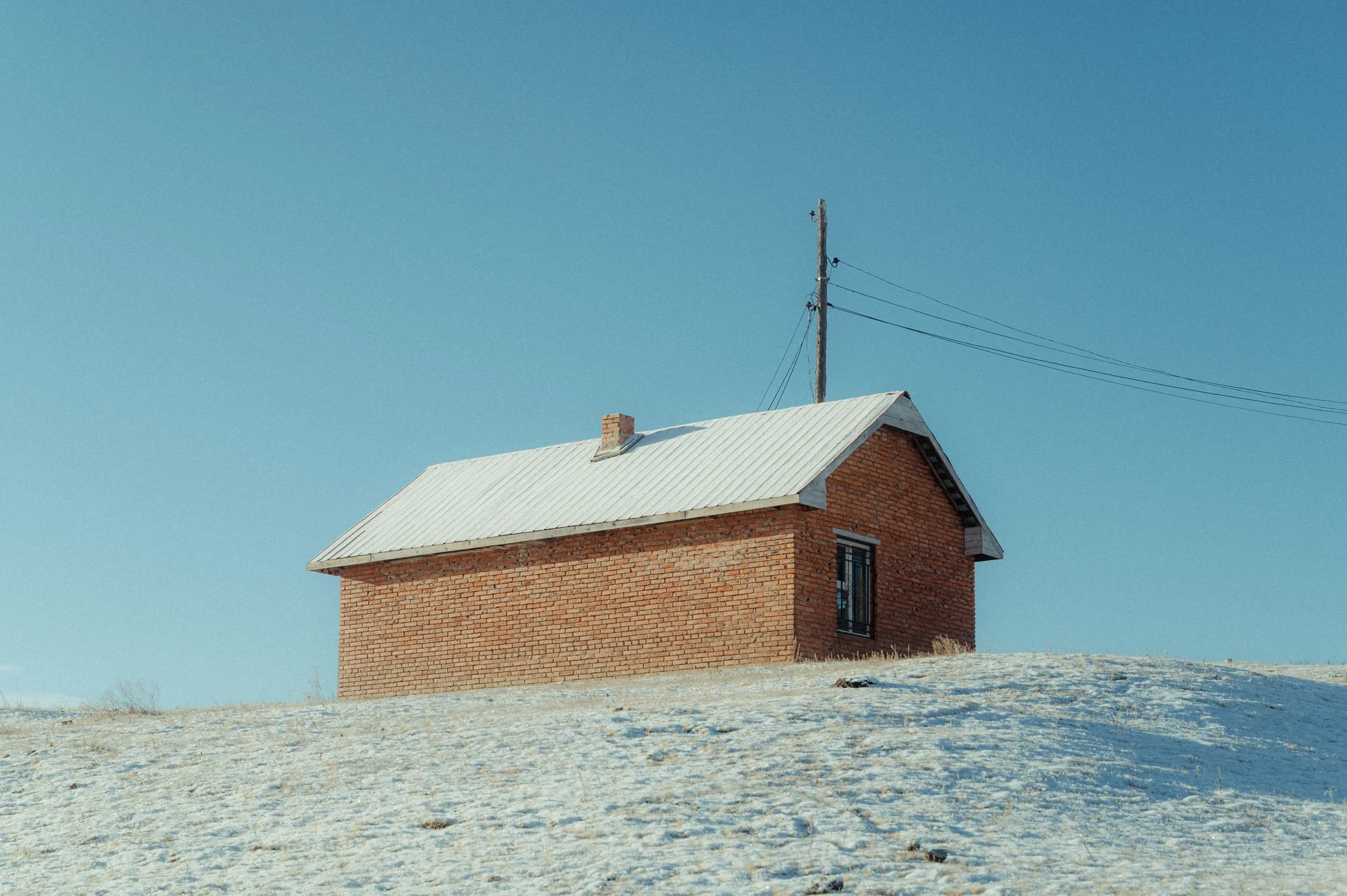
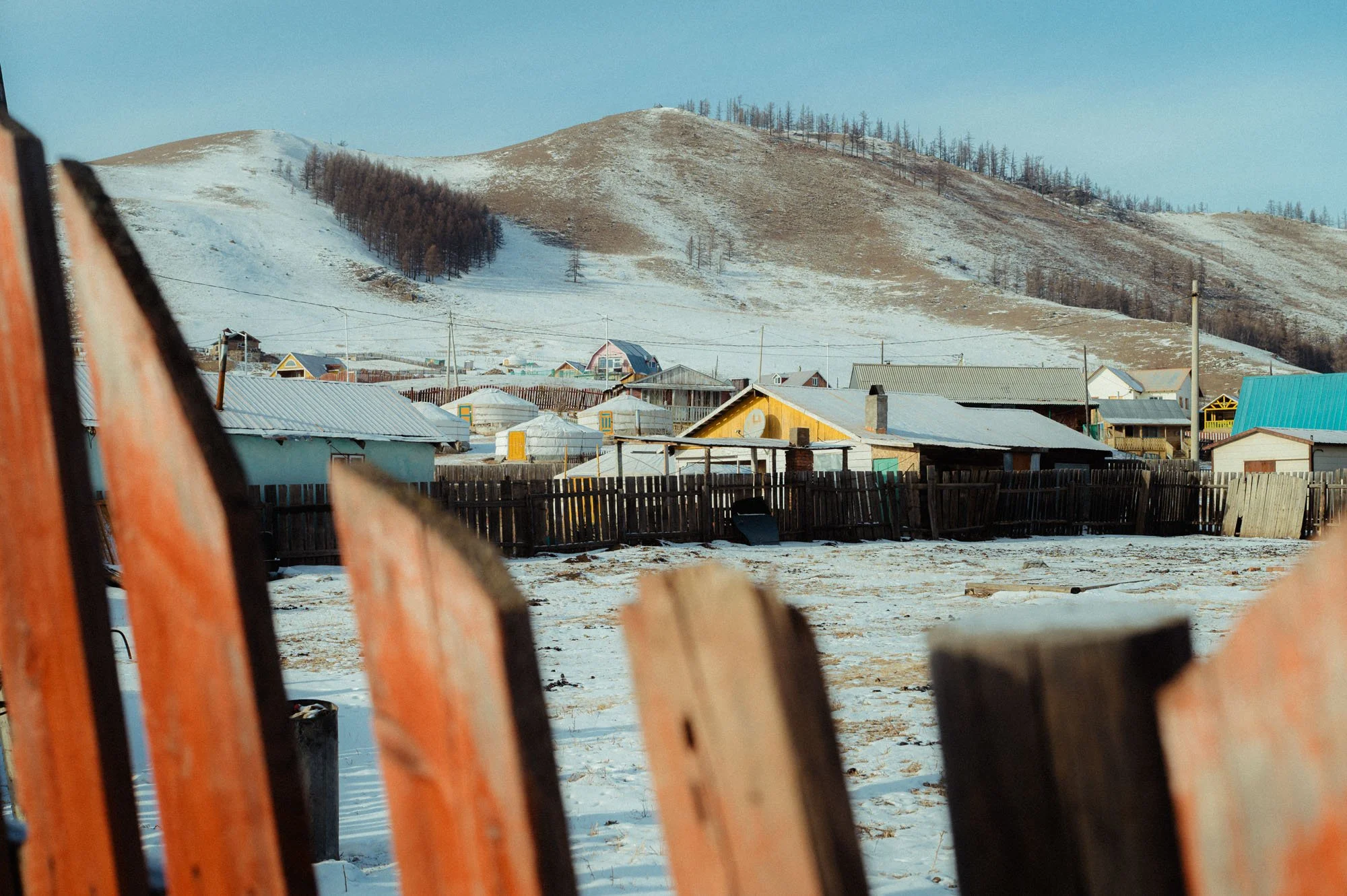
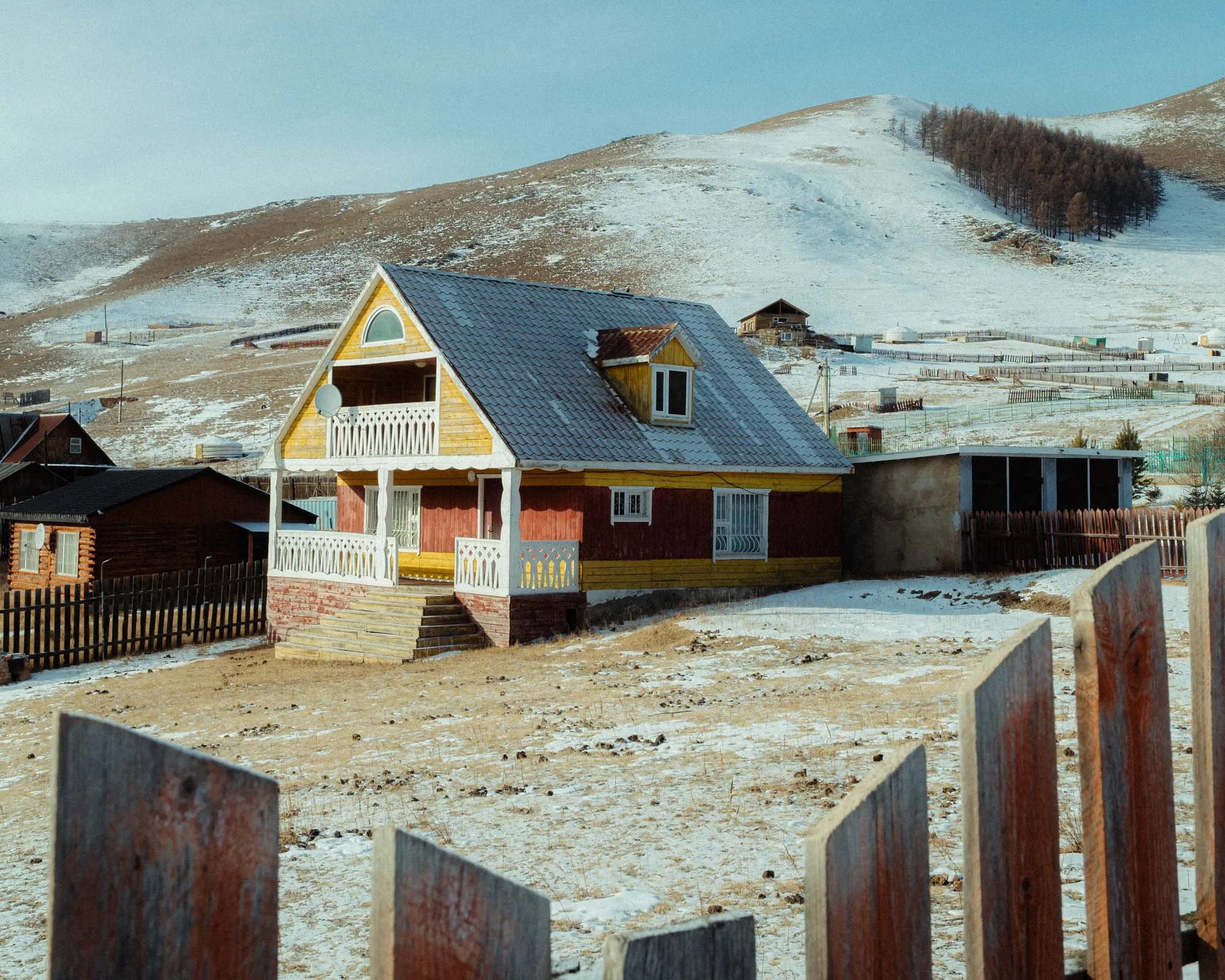
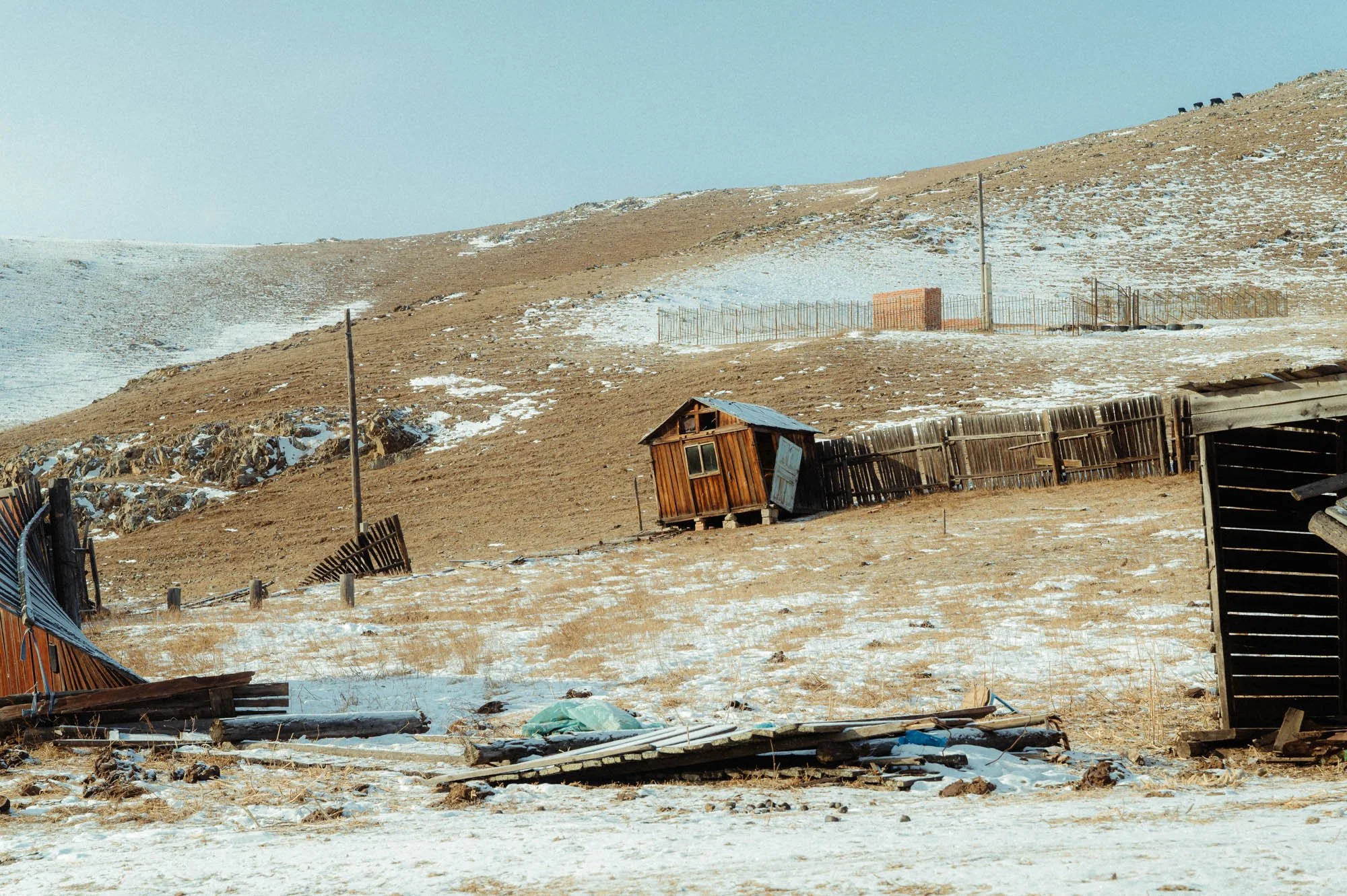
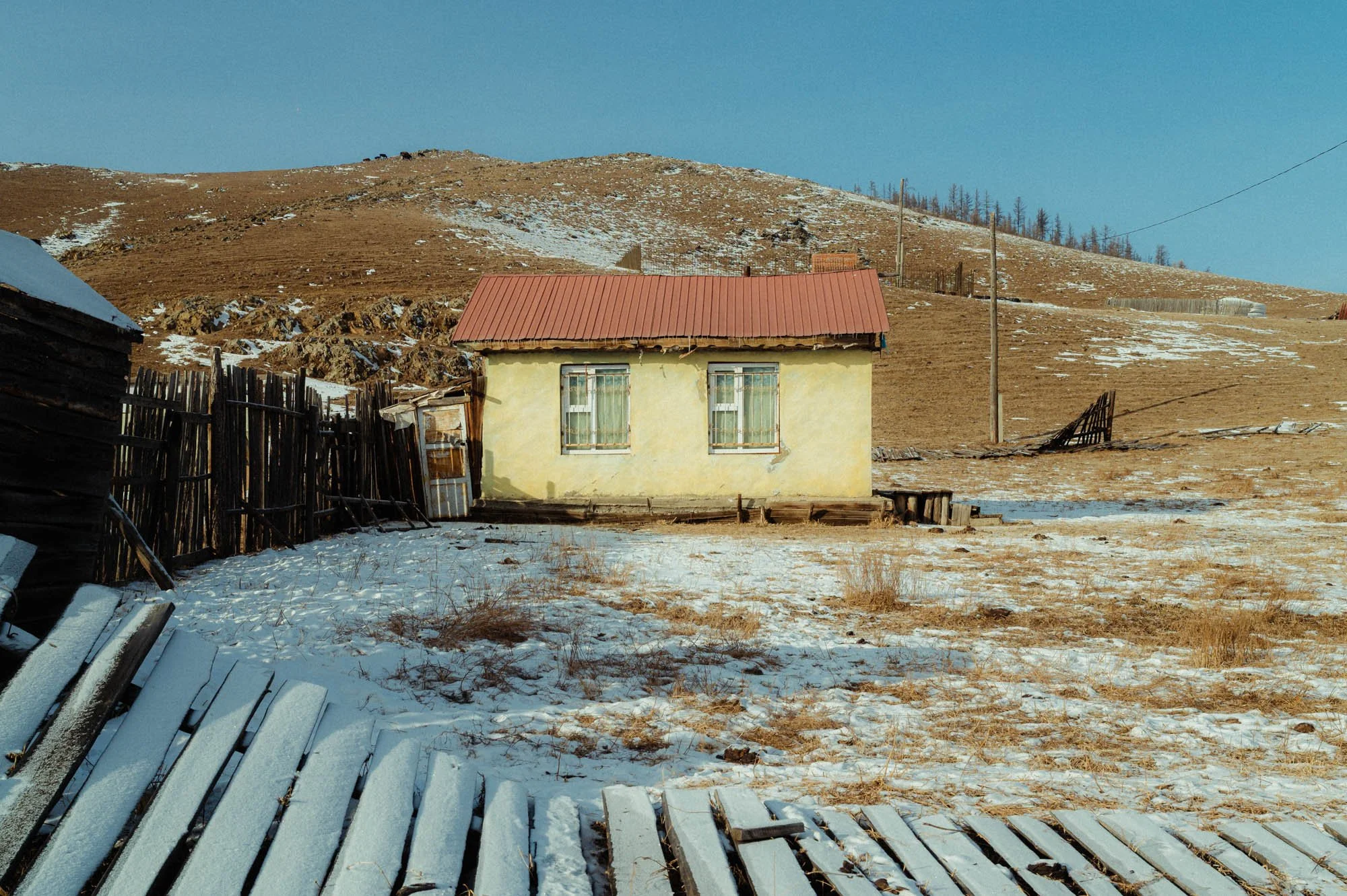
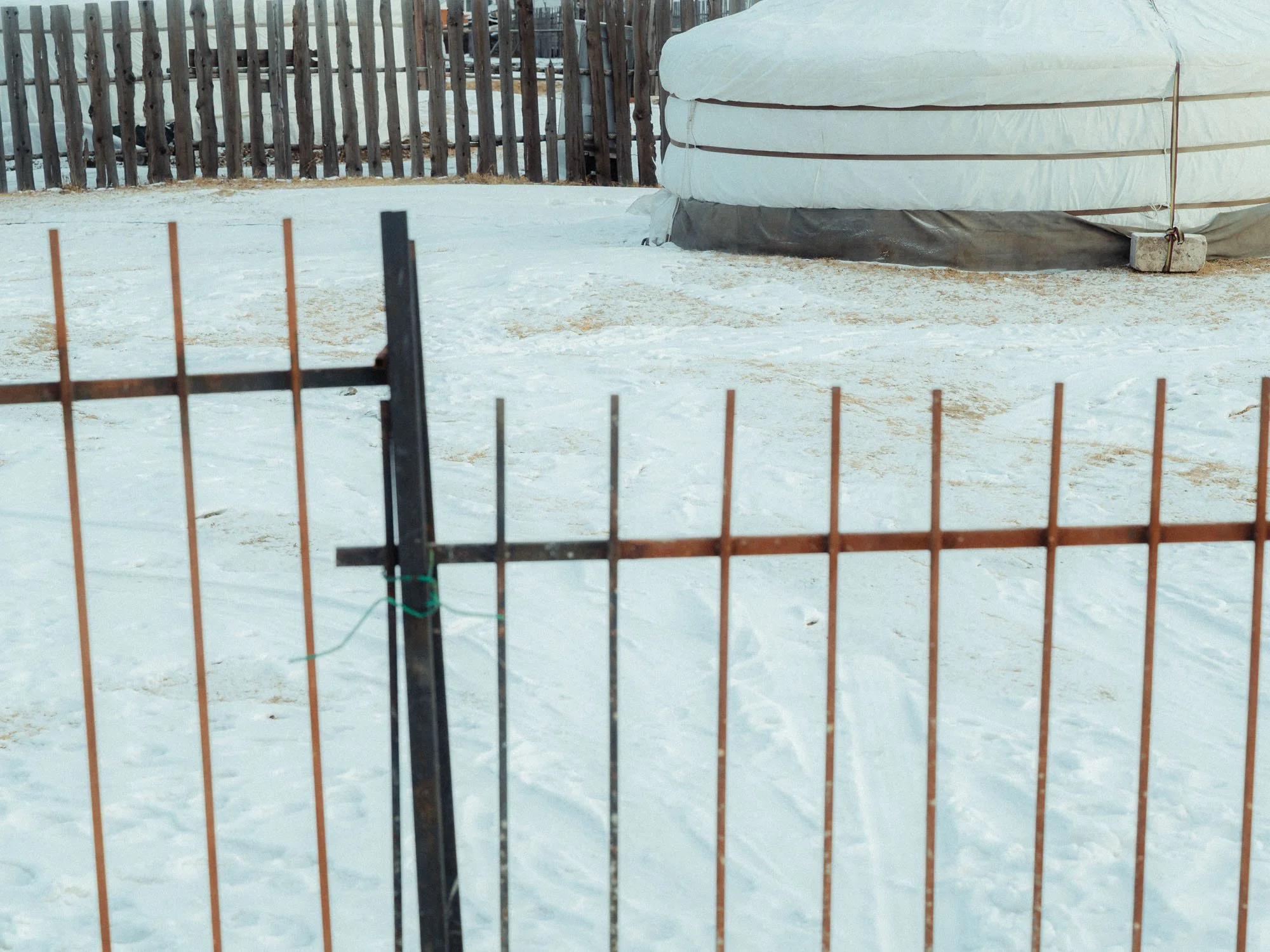
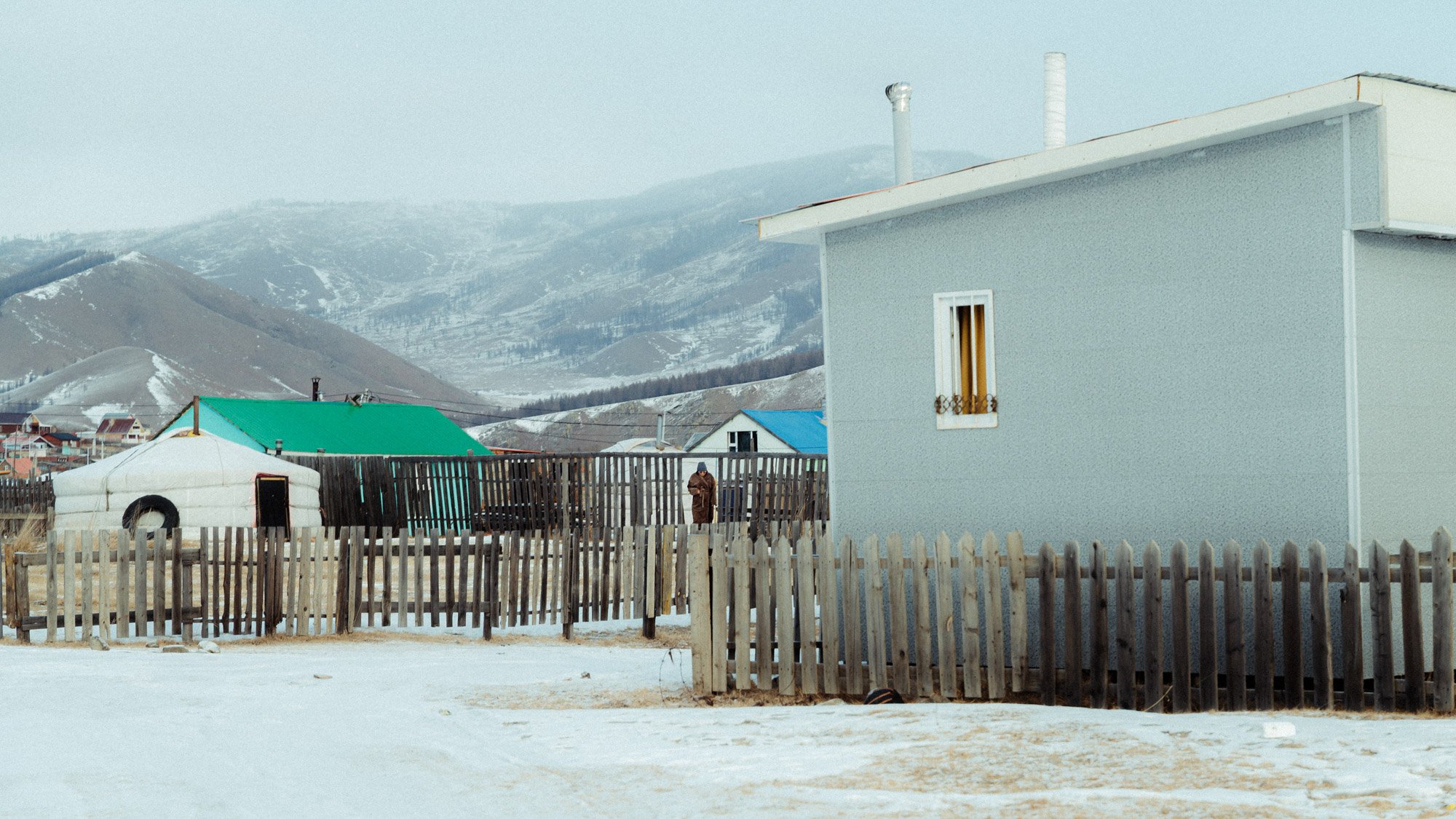
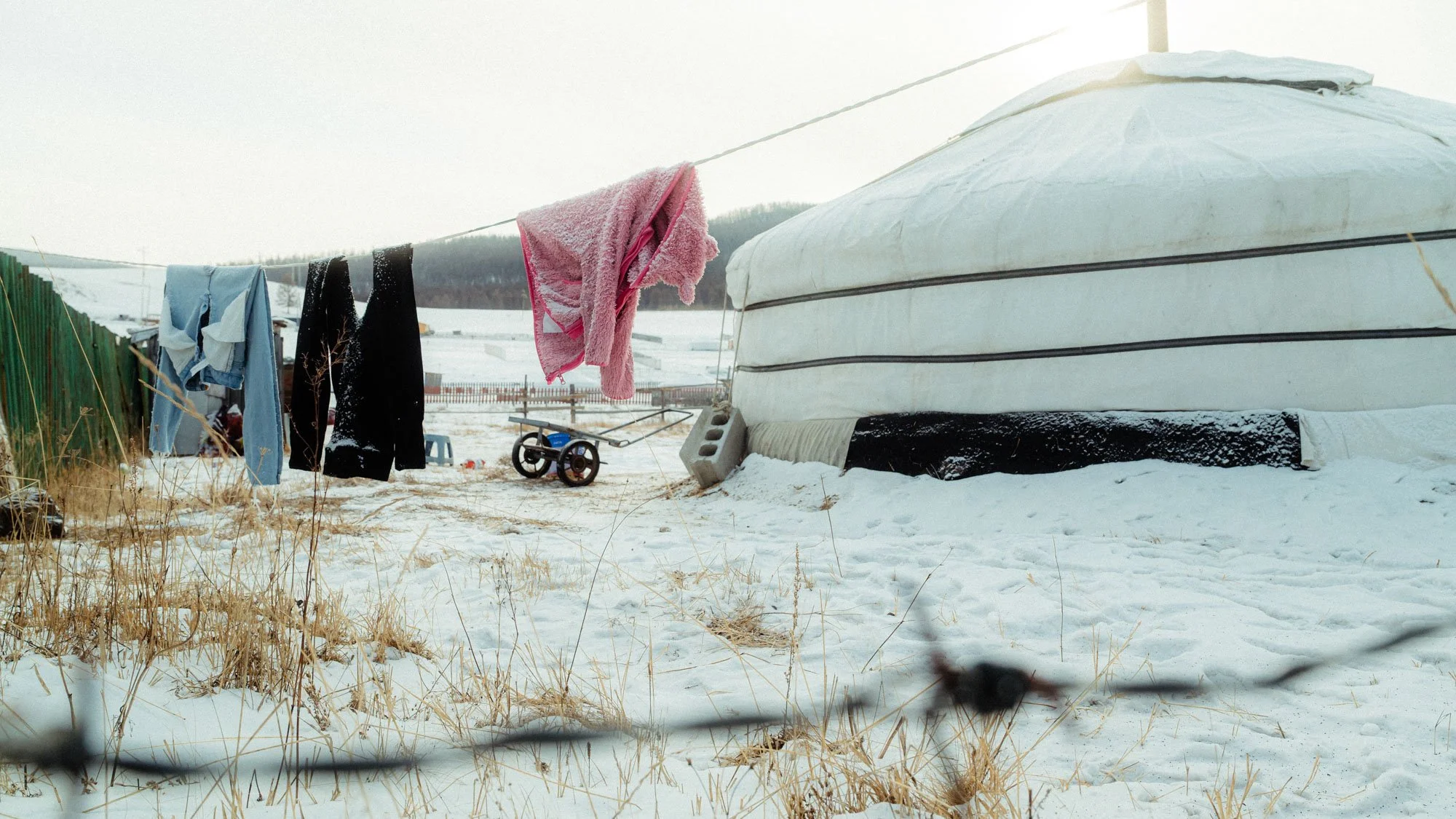
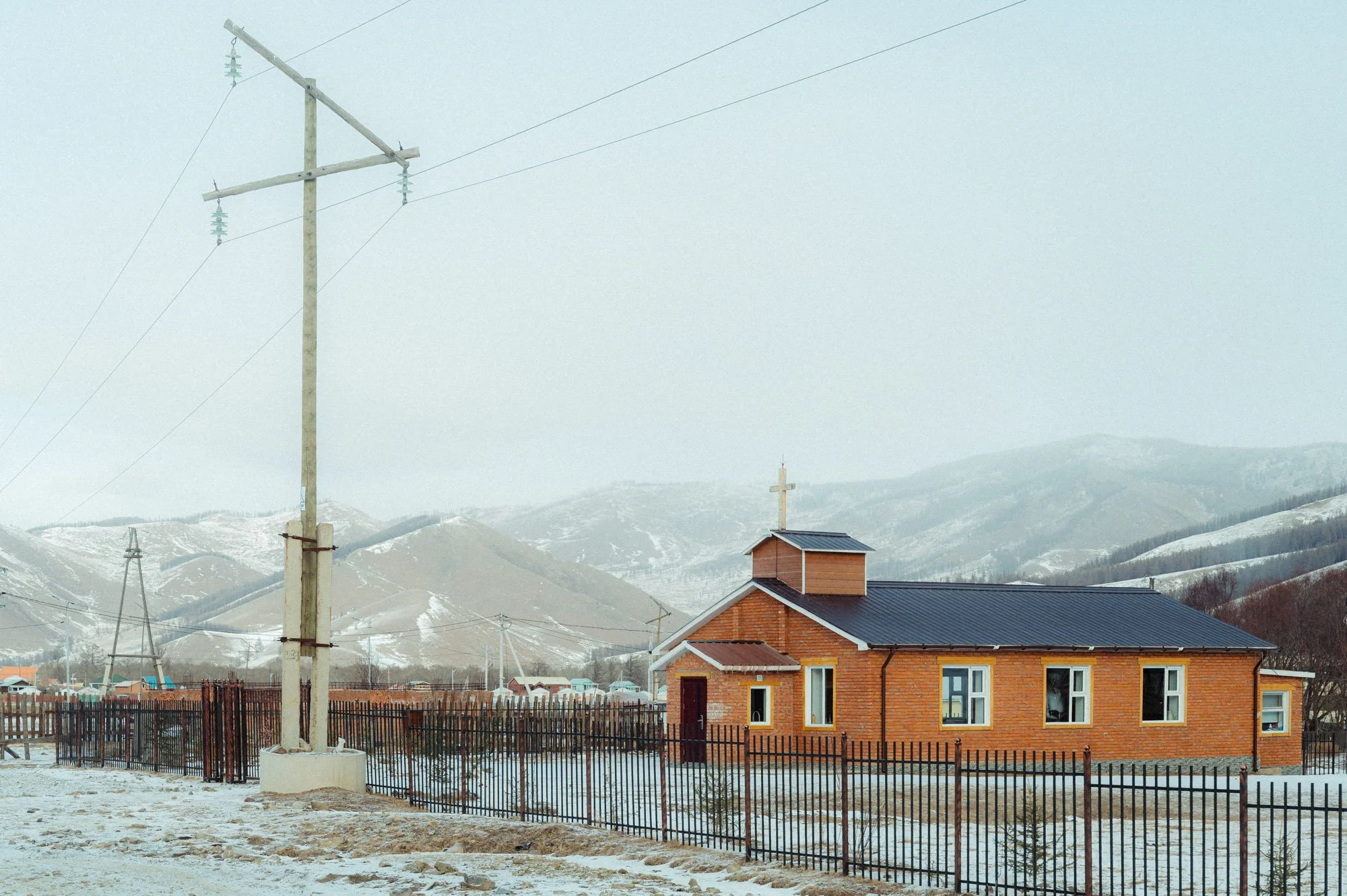
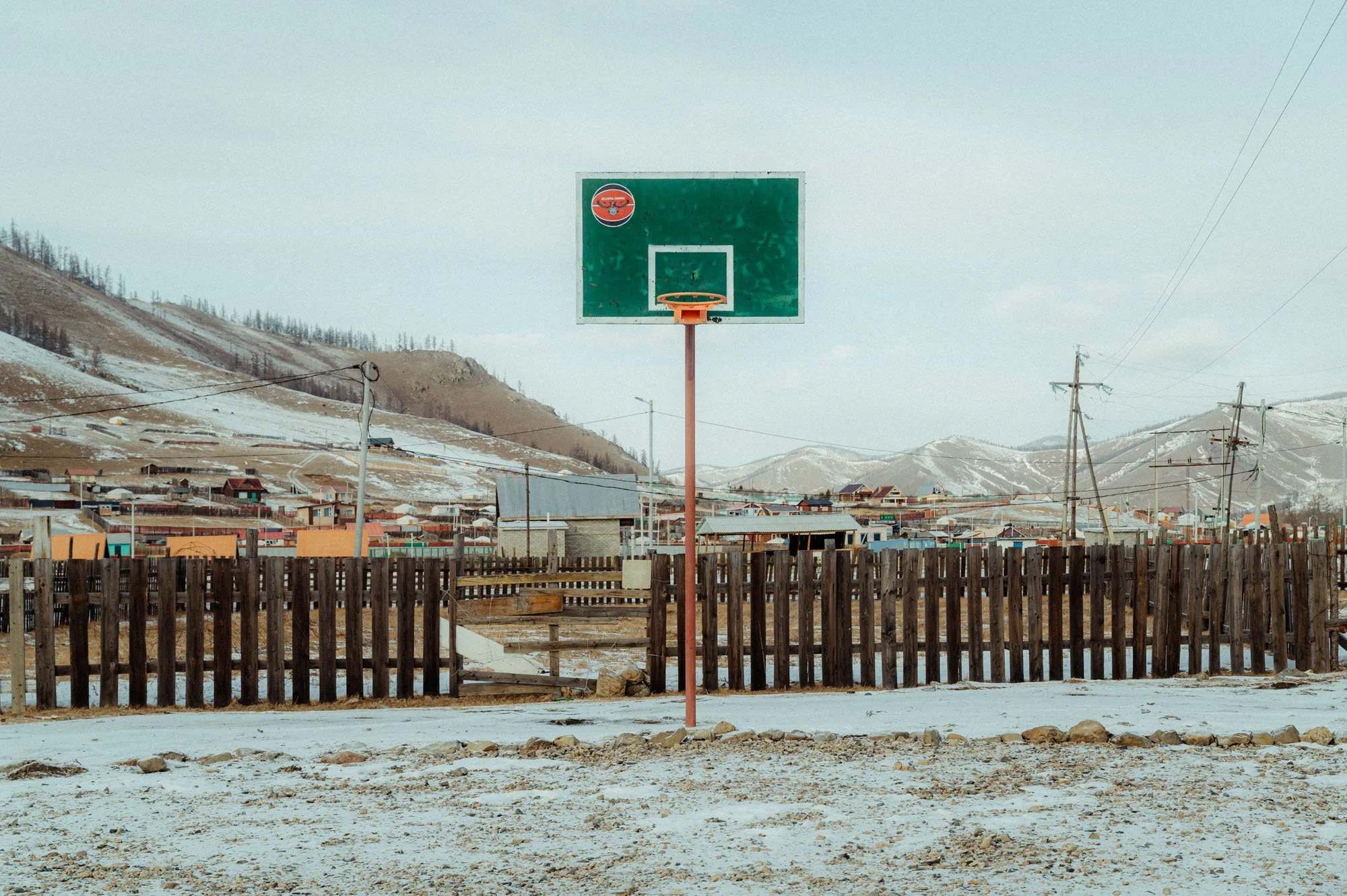
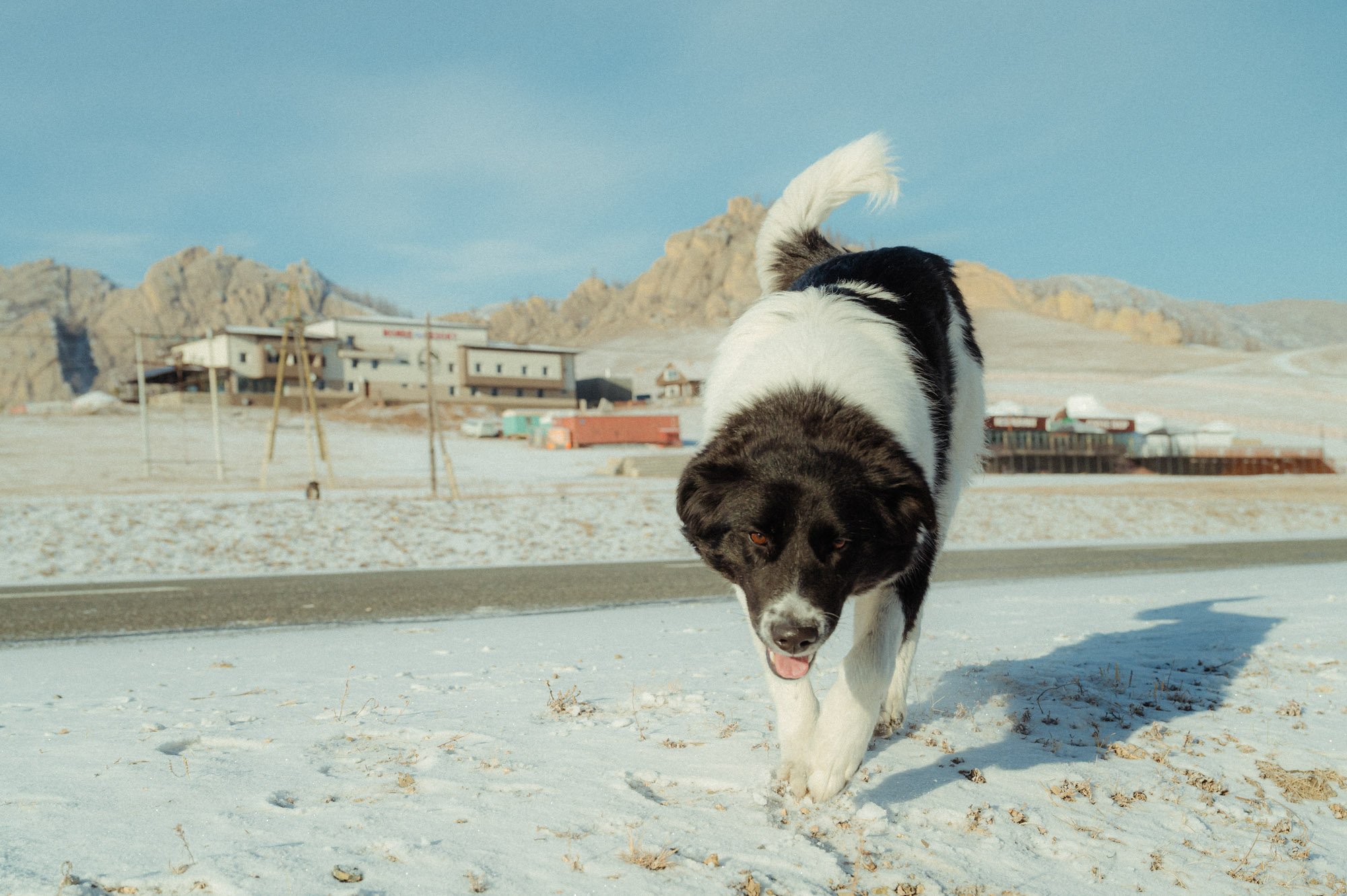
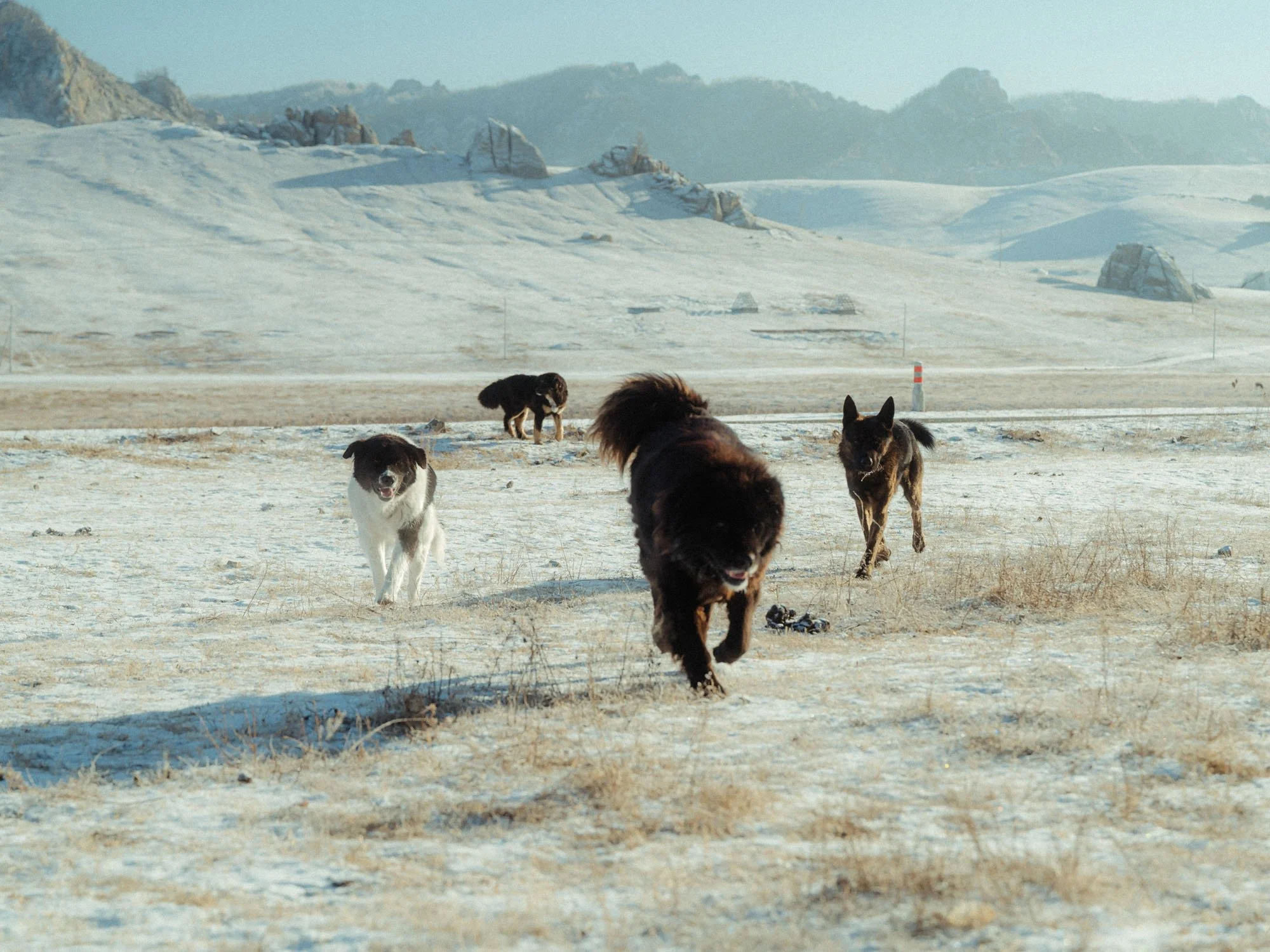
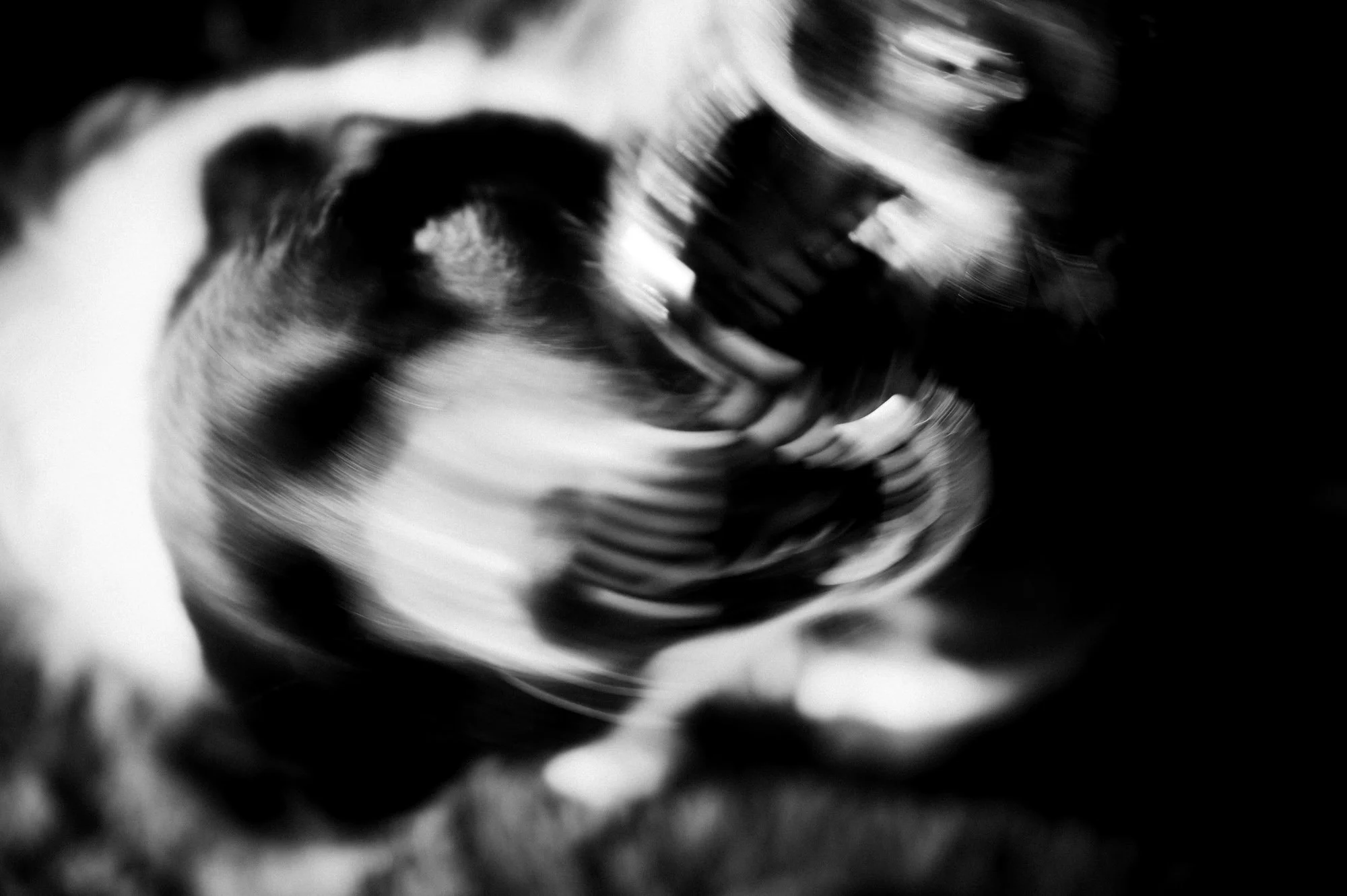
When you explore town like this you need to be careful with the dogs. There are a lot of them, they are owned by locals, but they have no leashes and roam free. If you walk outside the village, they will spot you, run at you, and bark. You never really know if they are dangerous or just curious, just very territorial.
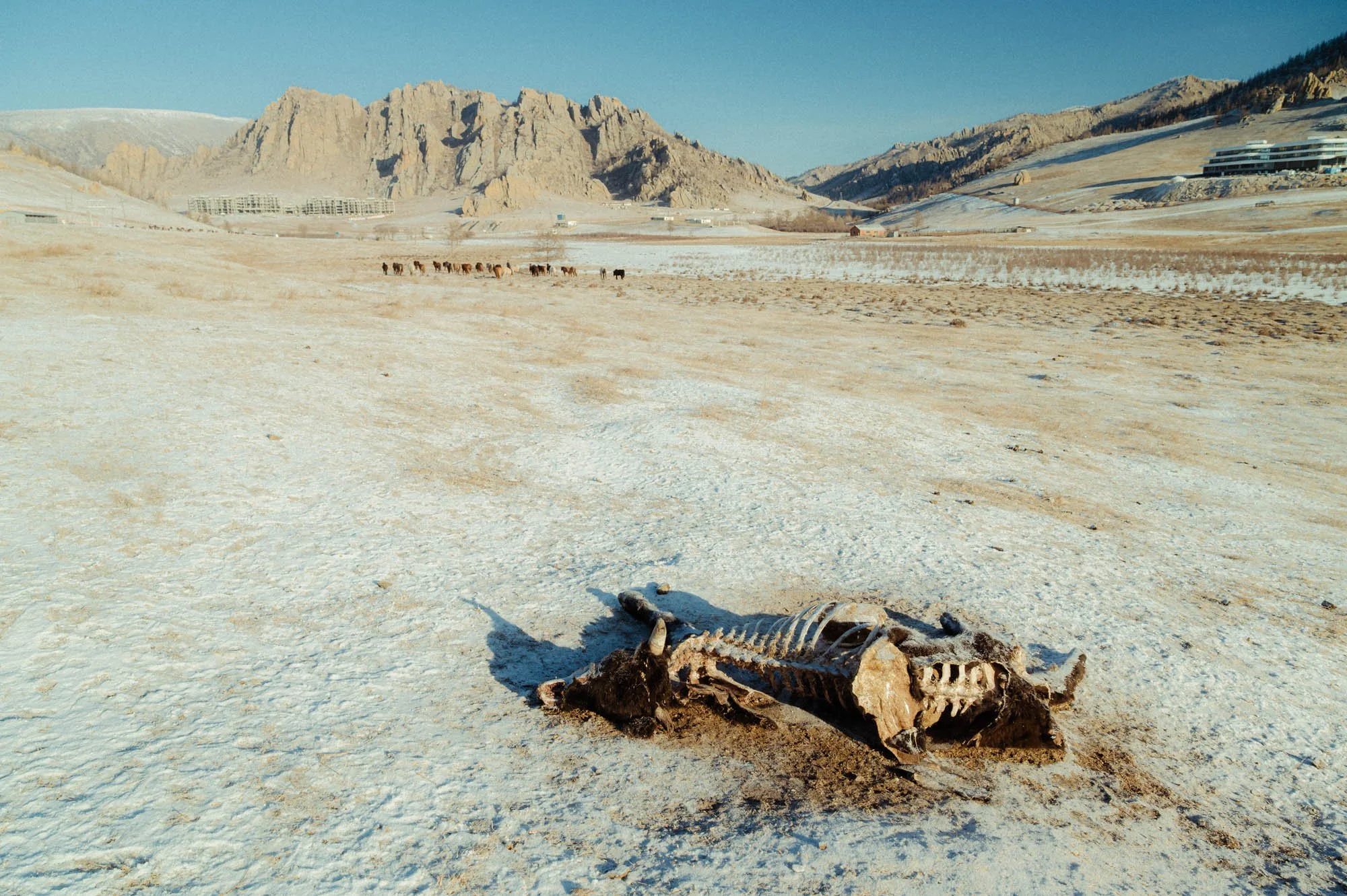
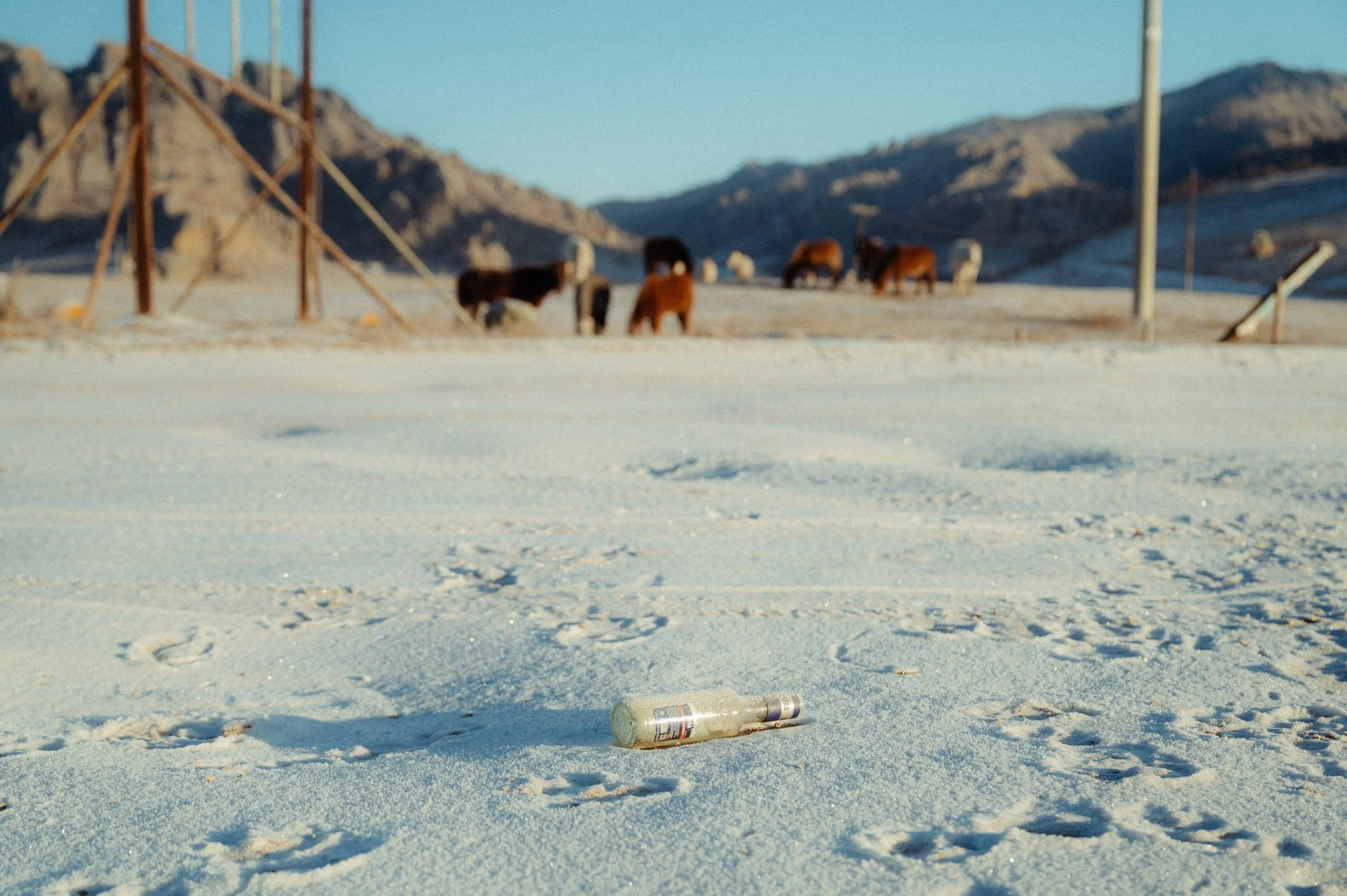
Since people stay inside, I tried to get mostly pictures of either animals or just housing by playing with the shapes and colors you can find. It's quite relaxing. I look at a spot like a hill, and my goal is to go in this direction. Then, on the way, I discover what can be taken in pictures. Sometimes, you find unfortunate surprises like this puppy dead along the fence.
Escaping the Tourist Traps
When you plan a trip, the algorithm feeds you the same few spots. Local fixers know they can make easy money by driving you to the nearest "nomad experience" just outside the city. I wanted the opposite and lucky me I found a contact who didn't offer the standard package. She suggested Bat-Ulzii, about 8 hours west of the capital, in the dead of winter. It was -25°C, the water froze inside, and I’ve never been more inspired. I was directly intrigued since she showed me something totally different than 90% of people who send you a message.
You can find these contacts on Facebook groups, but be aware of becoming a lamb to these people. Take your time and ask the right questions to see what they can offer.
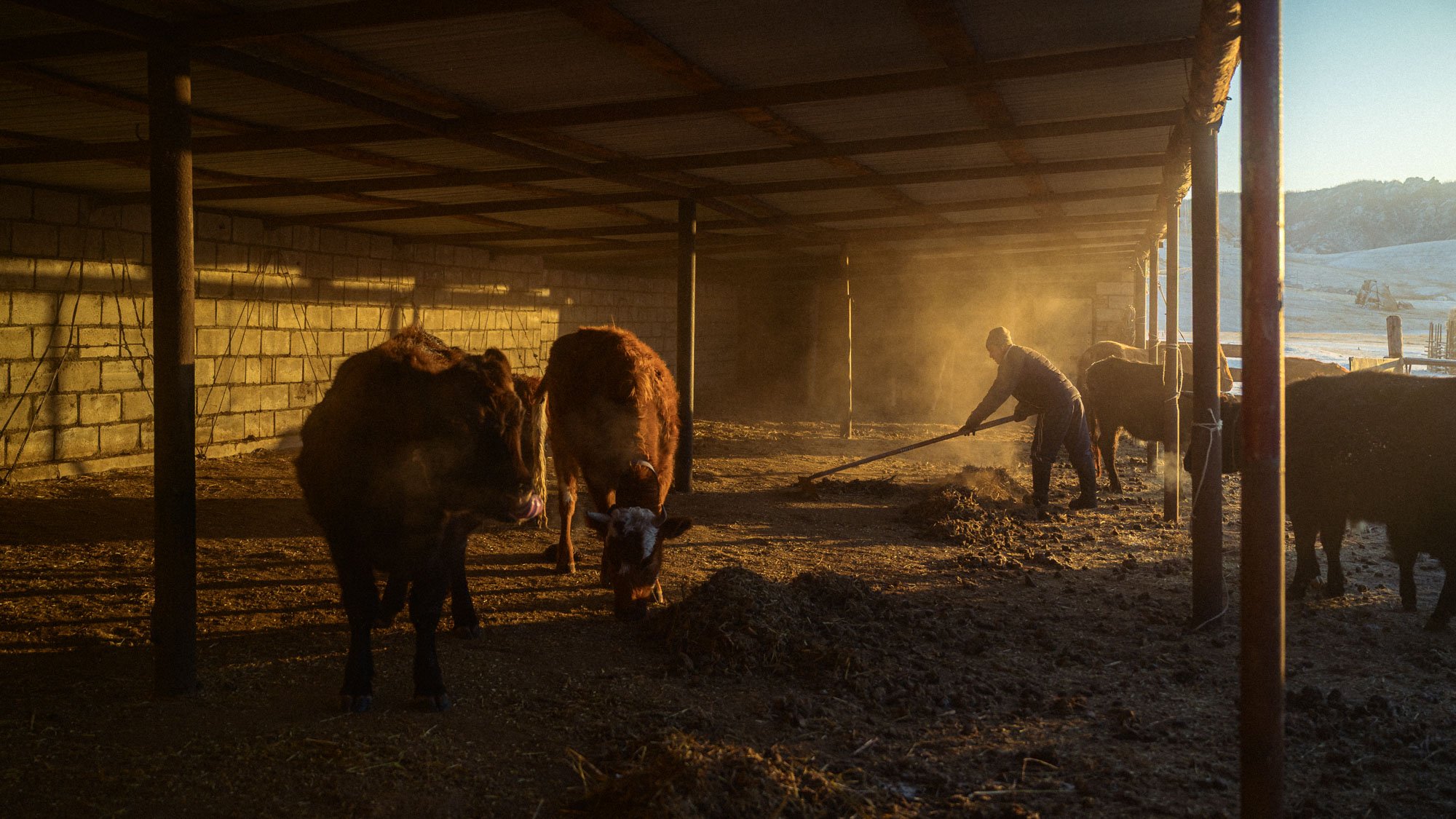
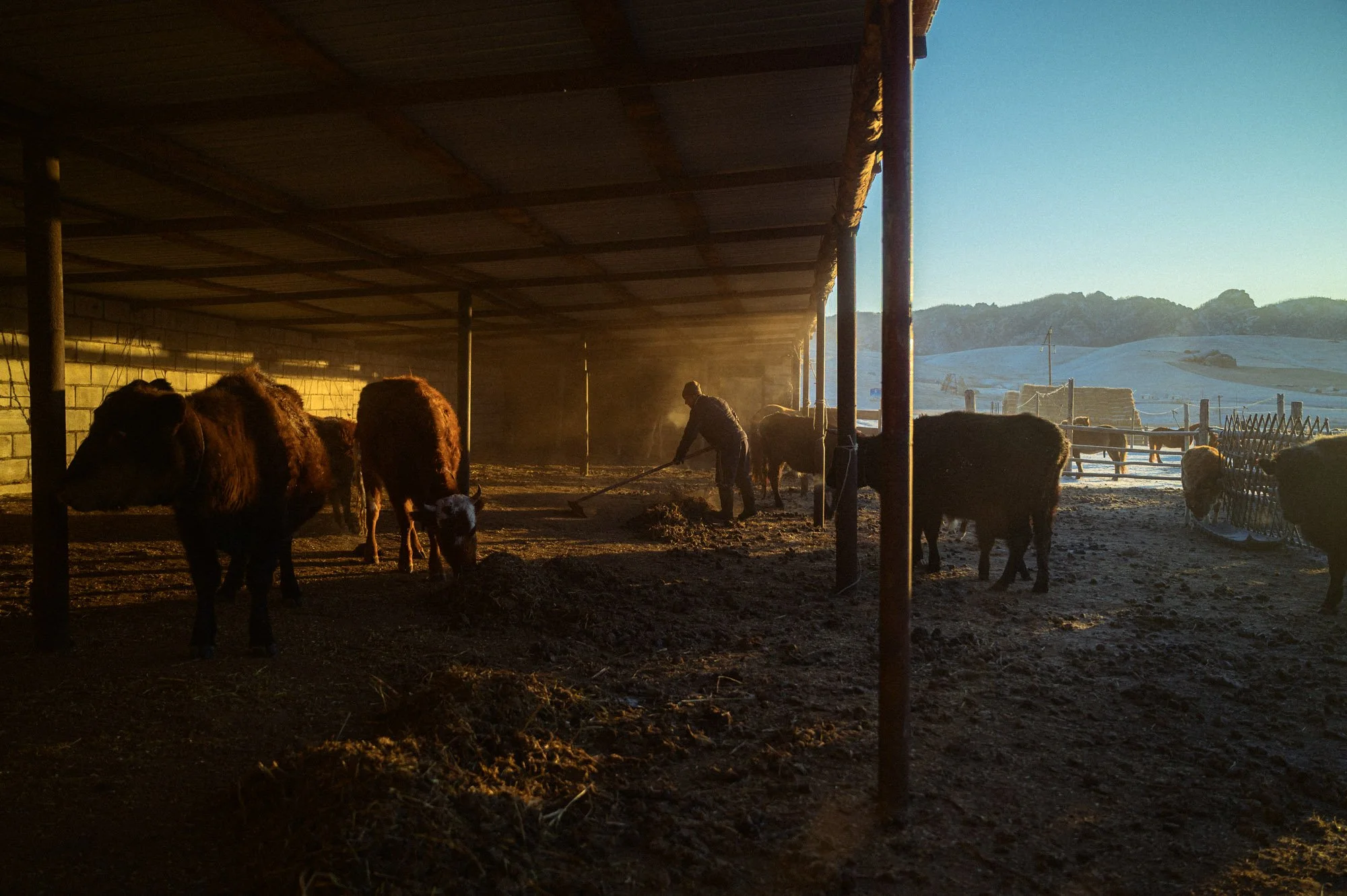
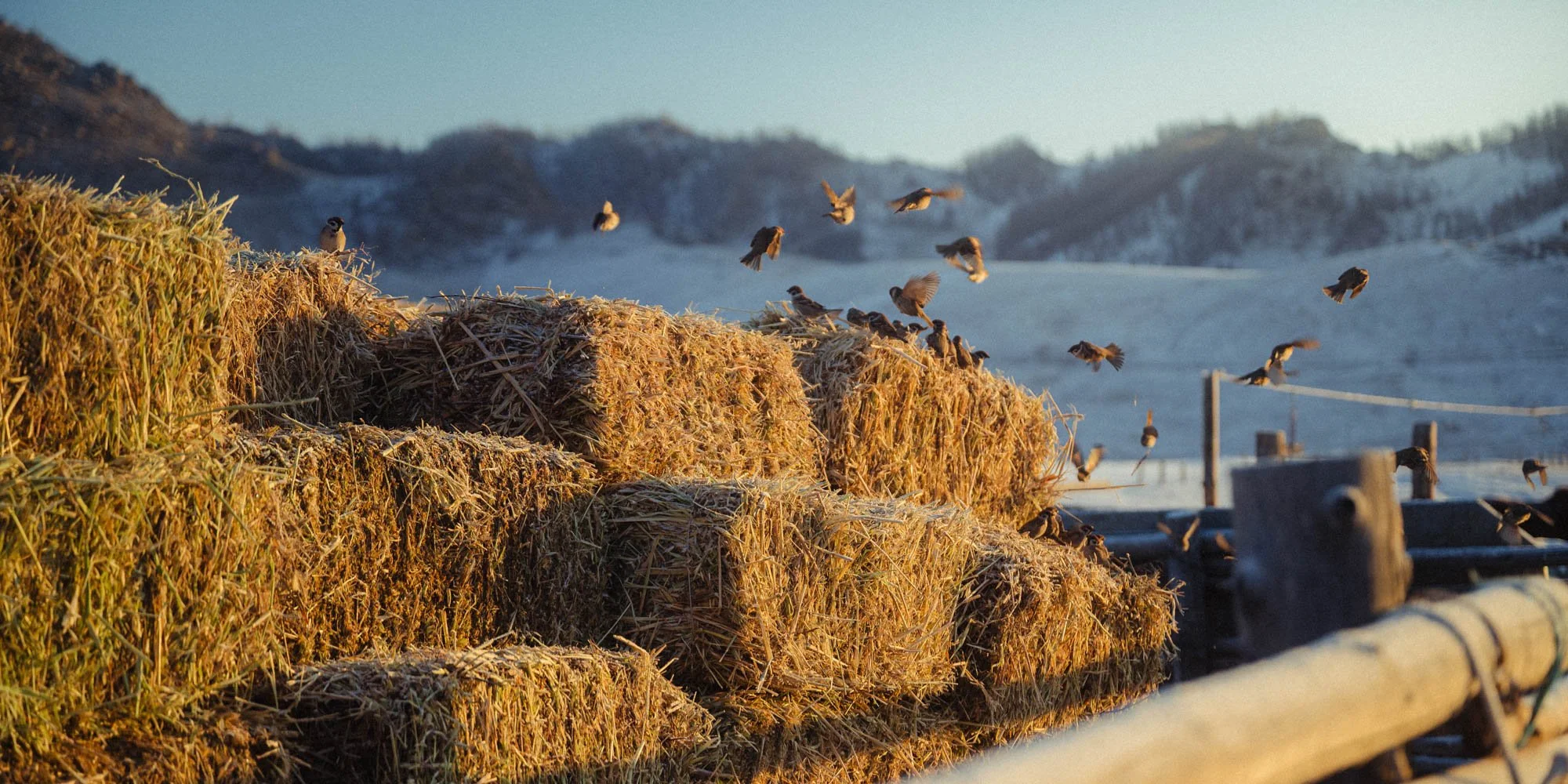
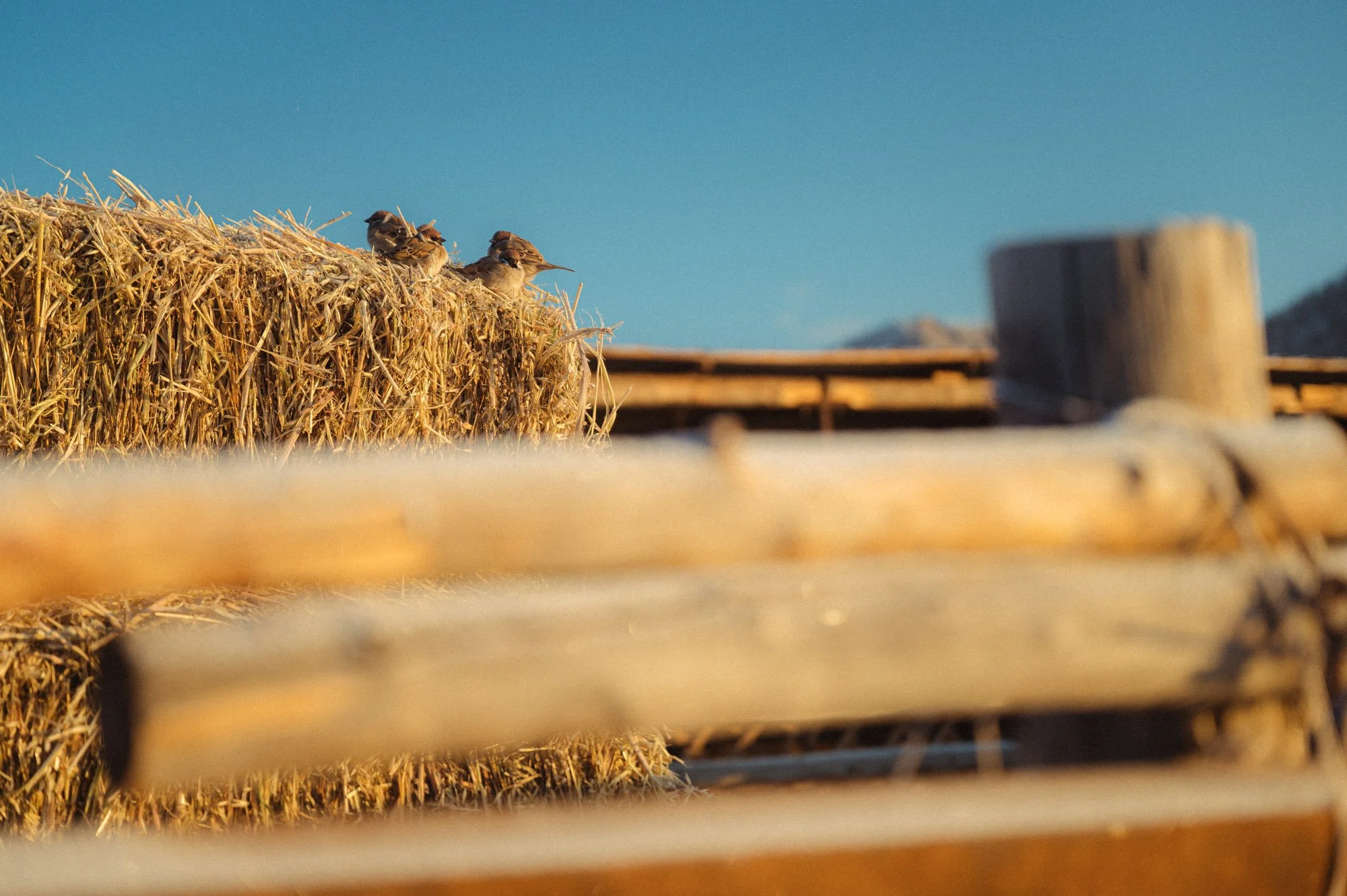
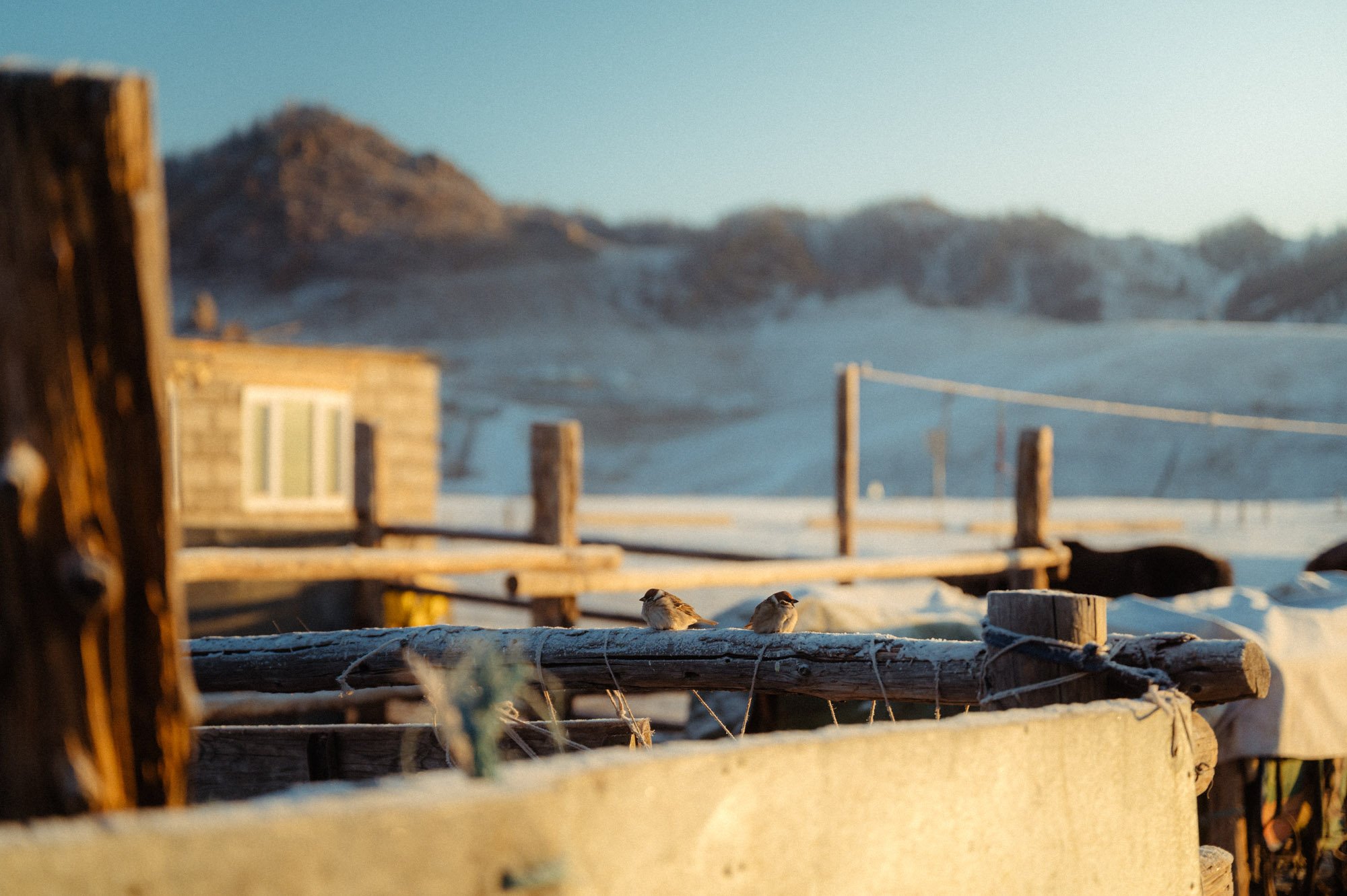
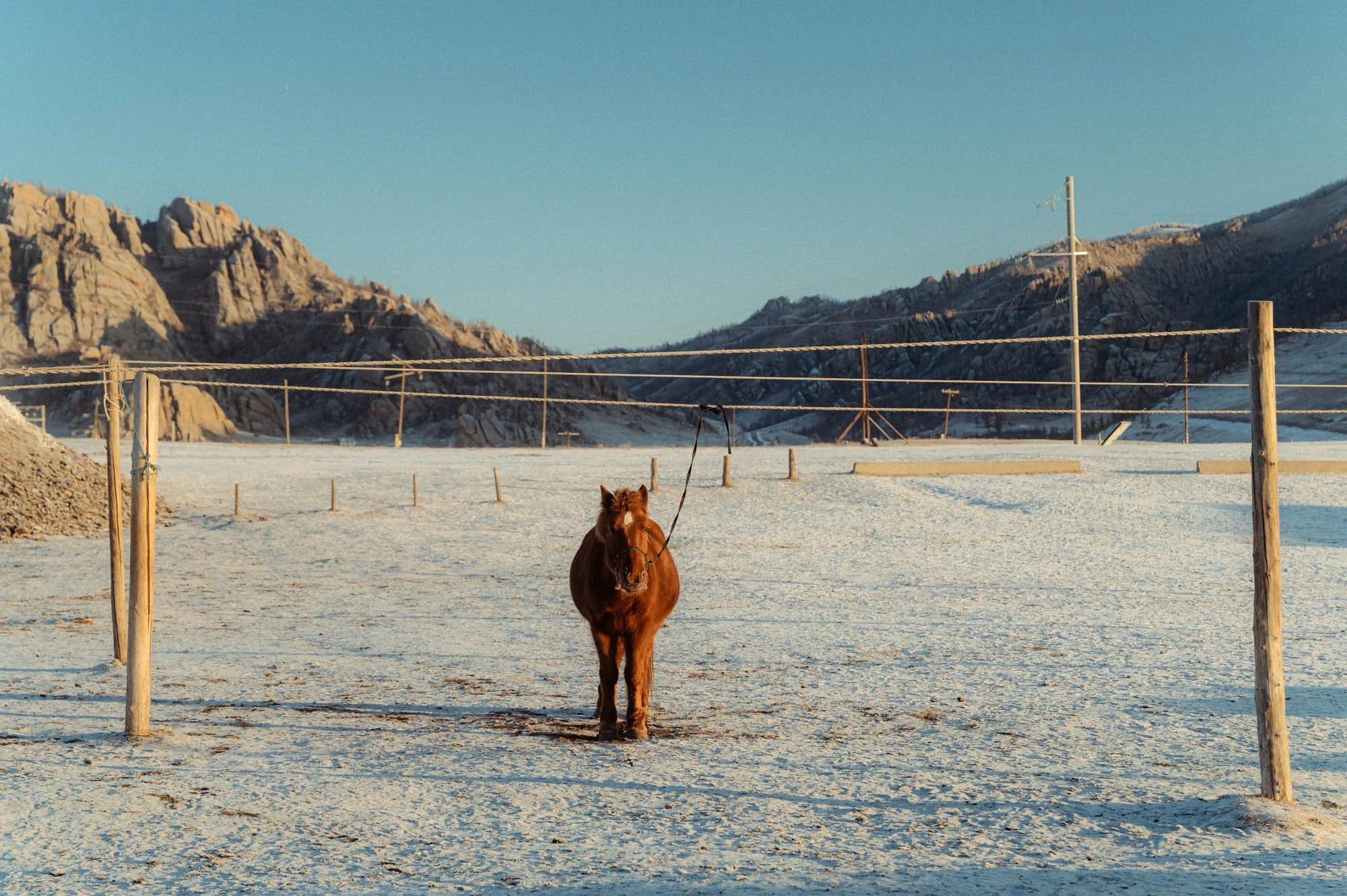
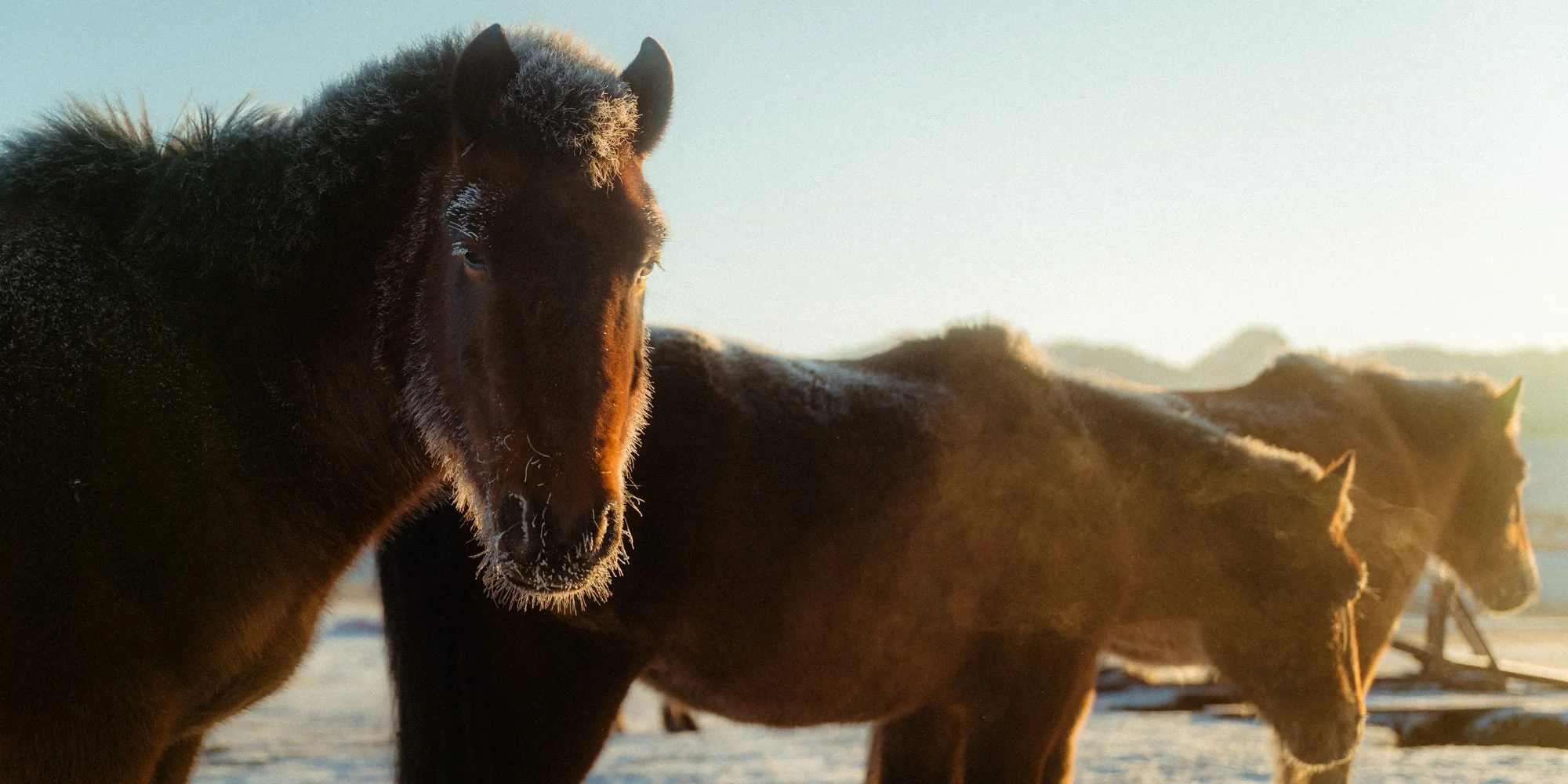
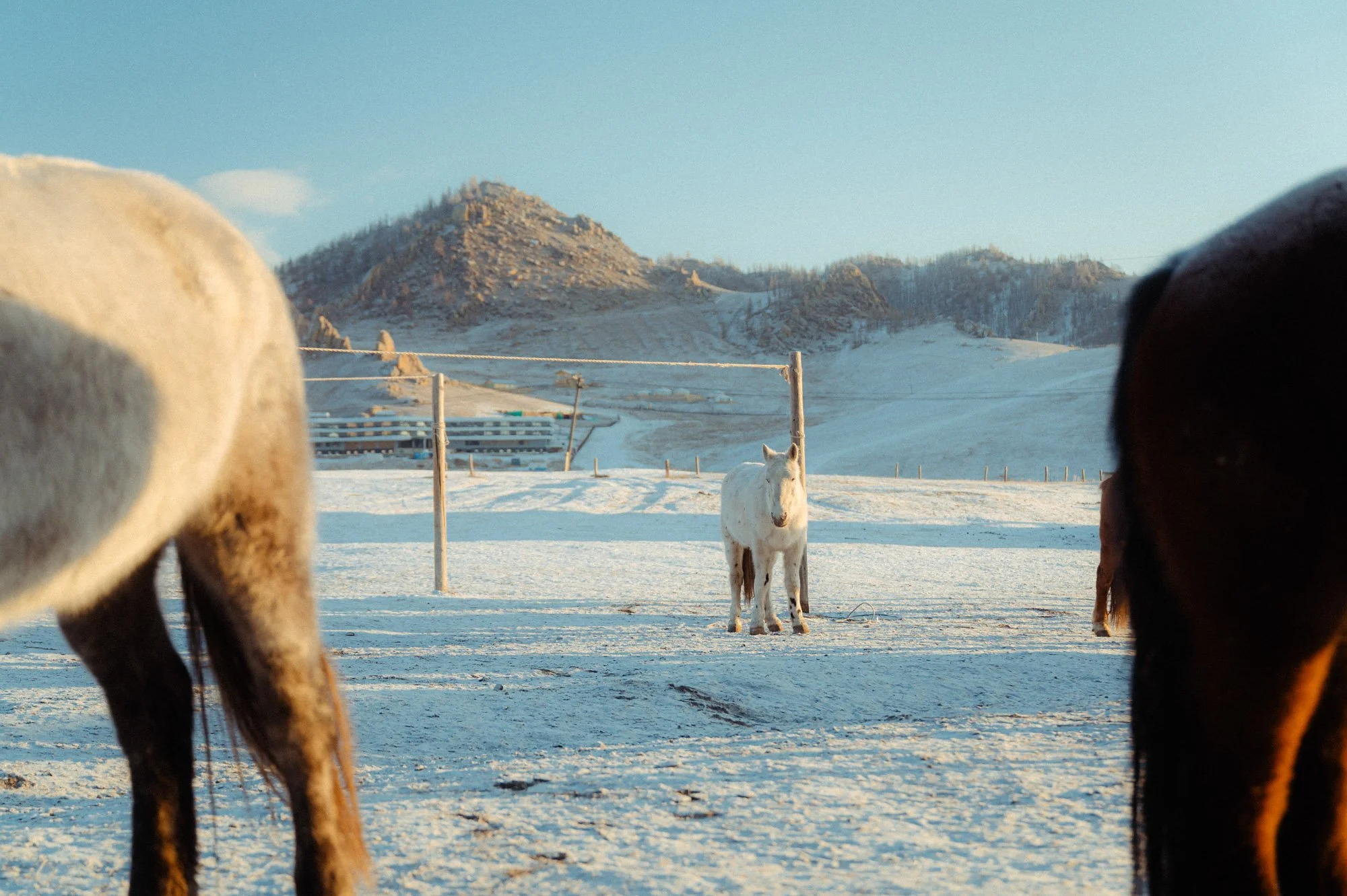
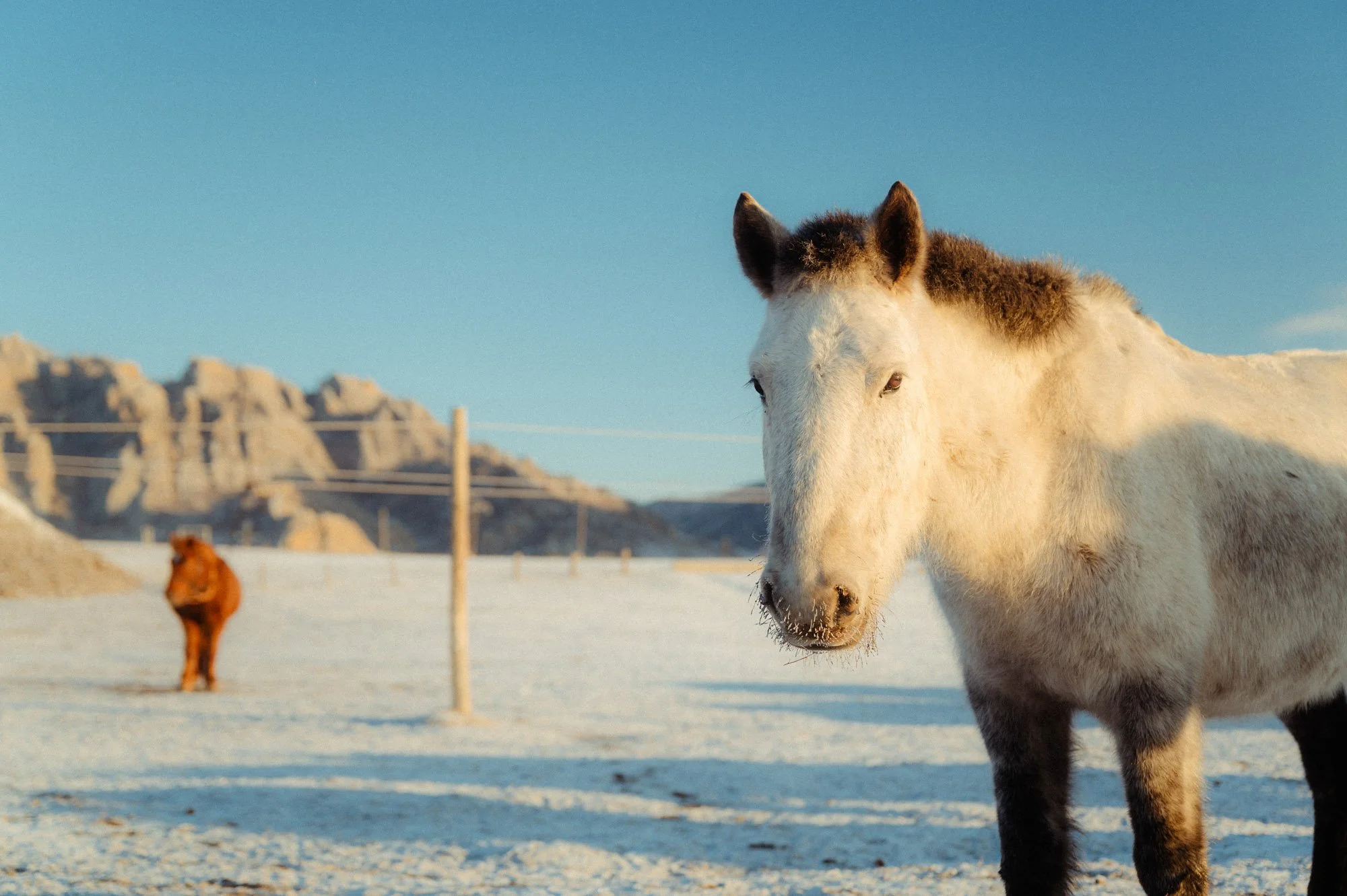
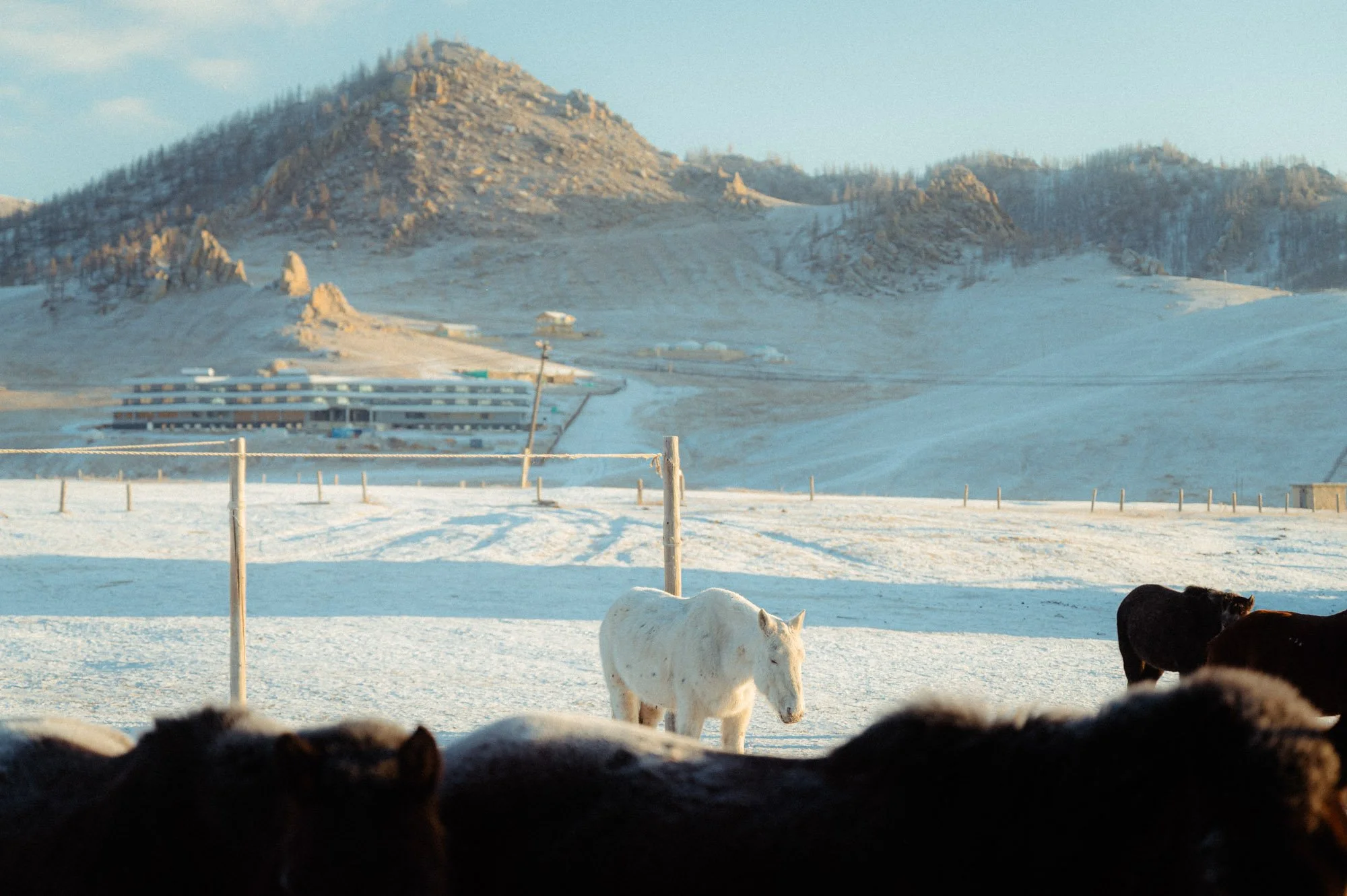
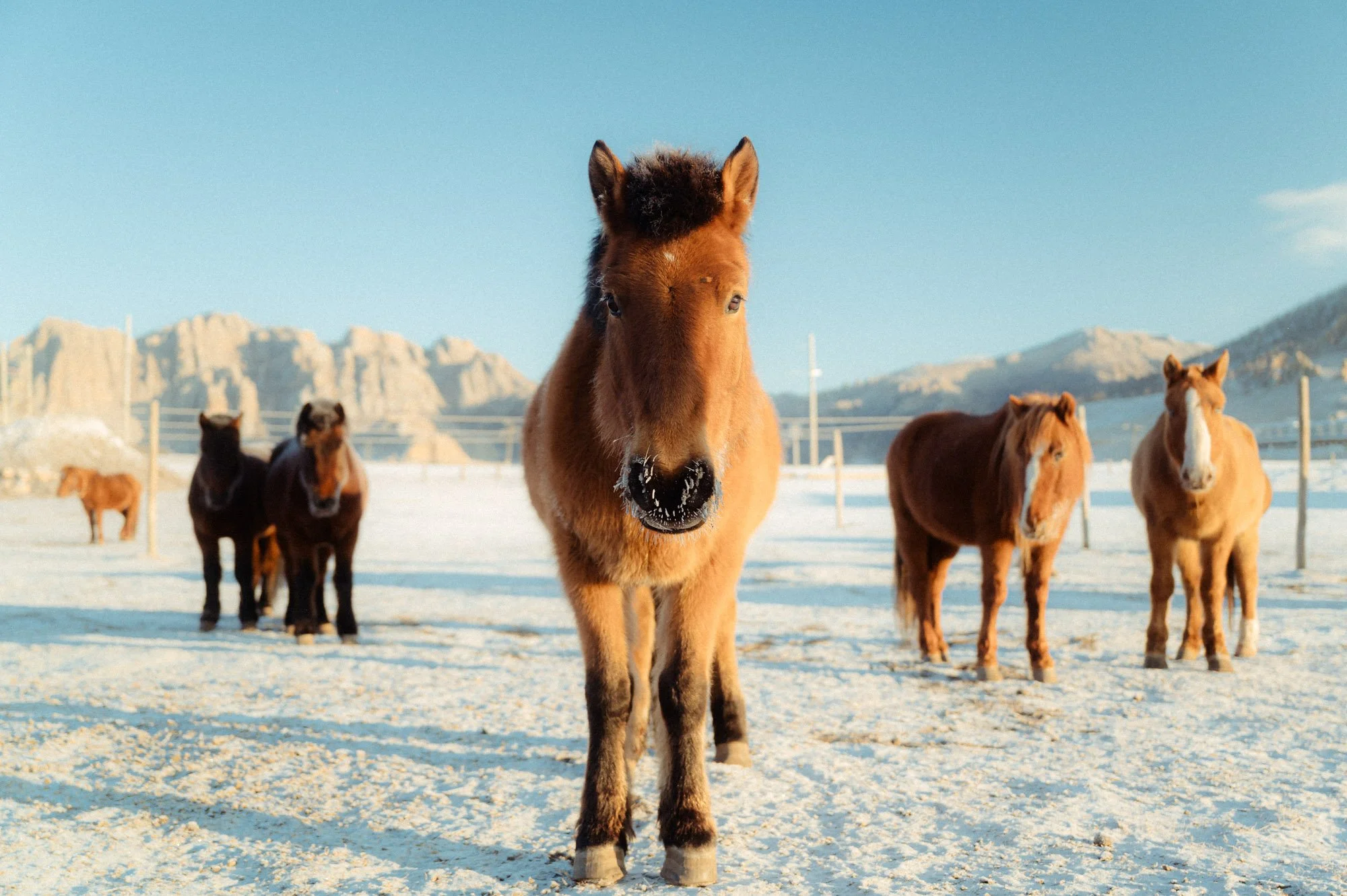
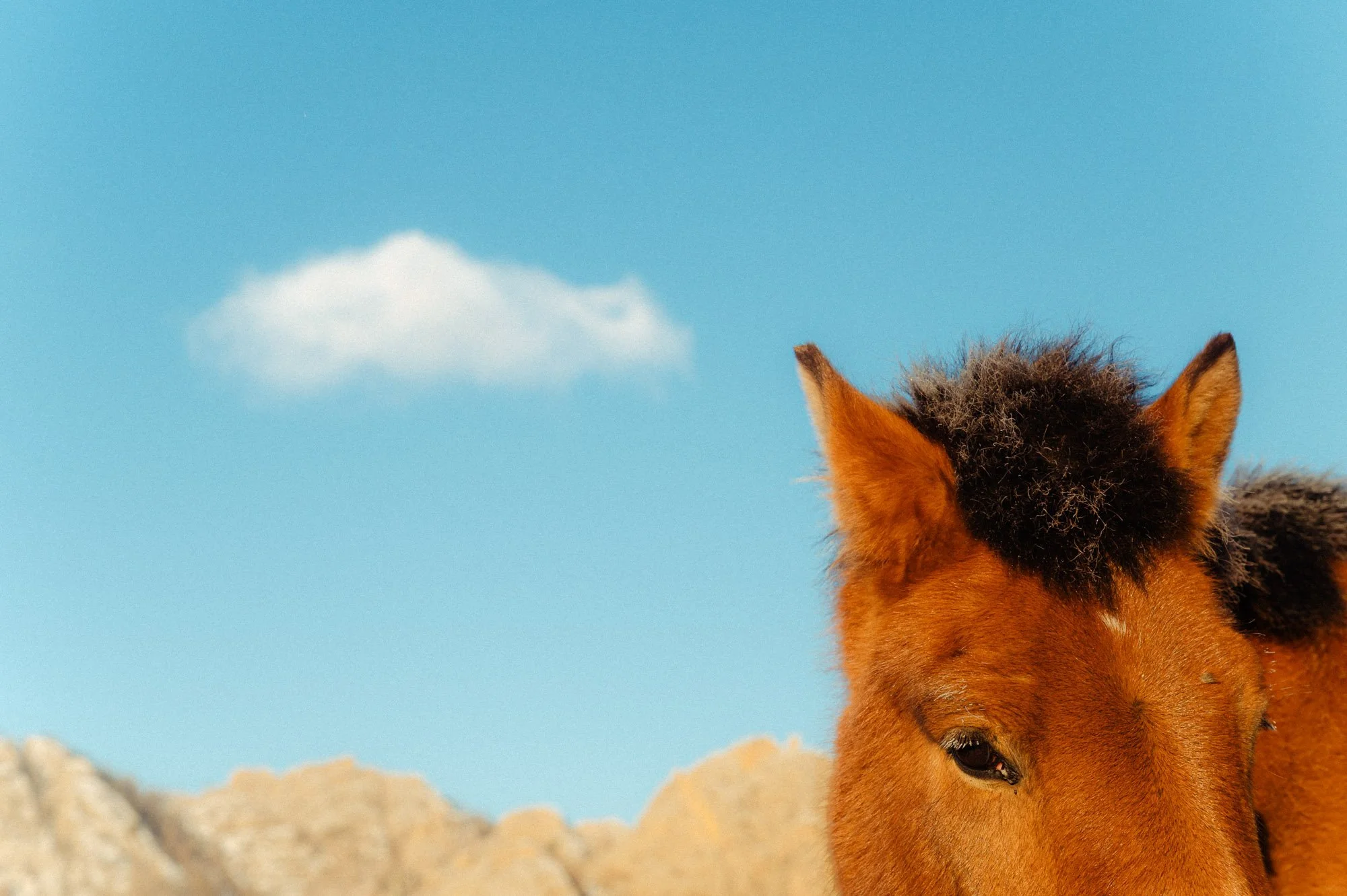
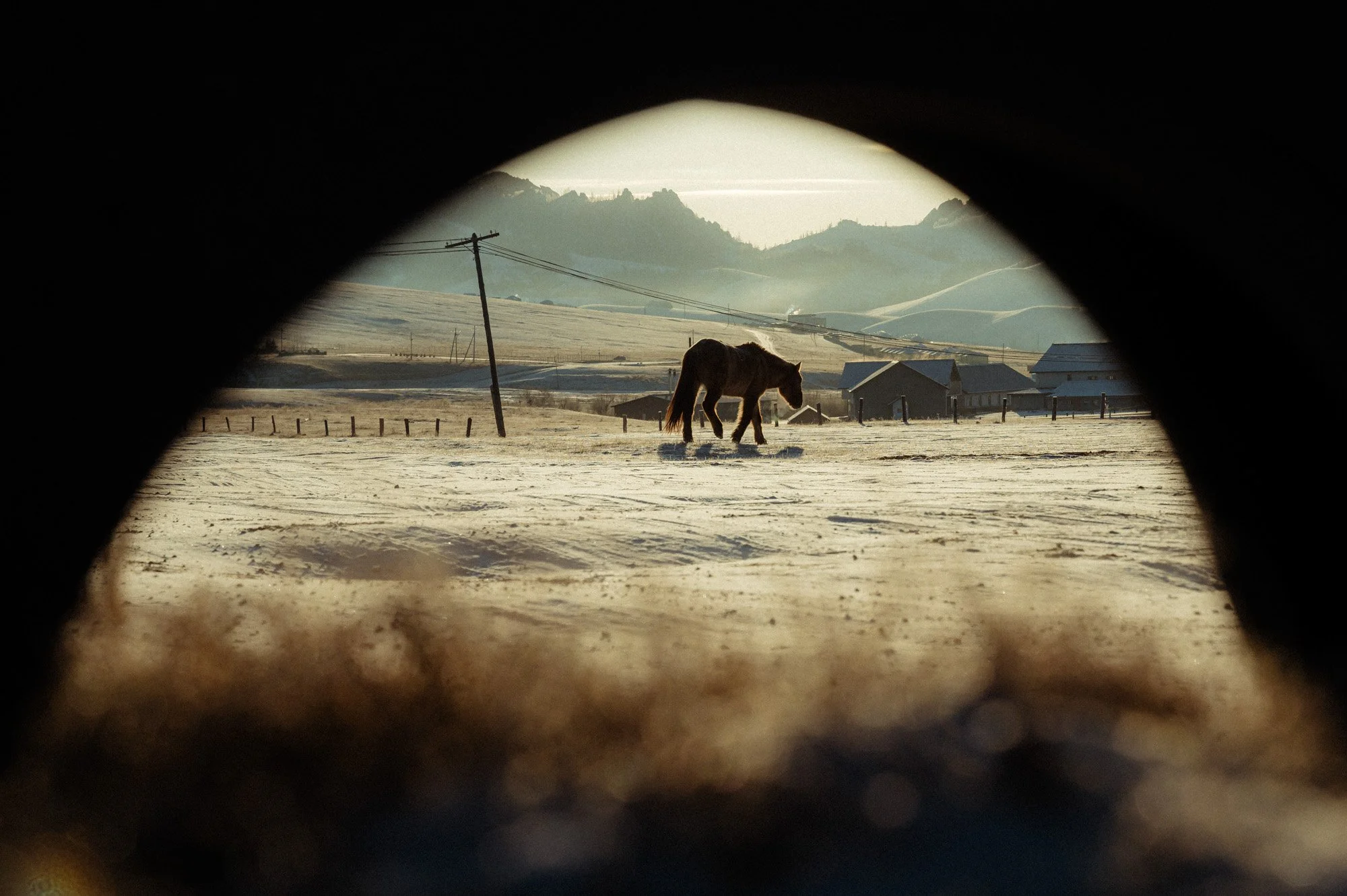
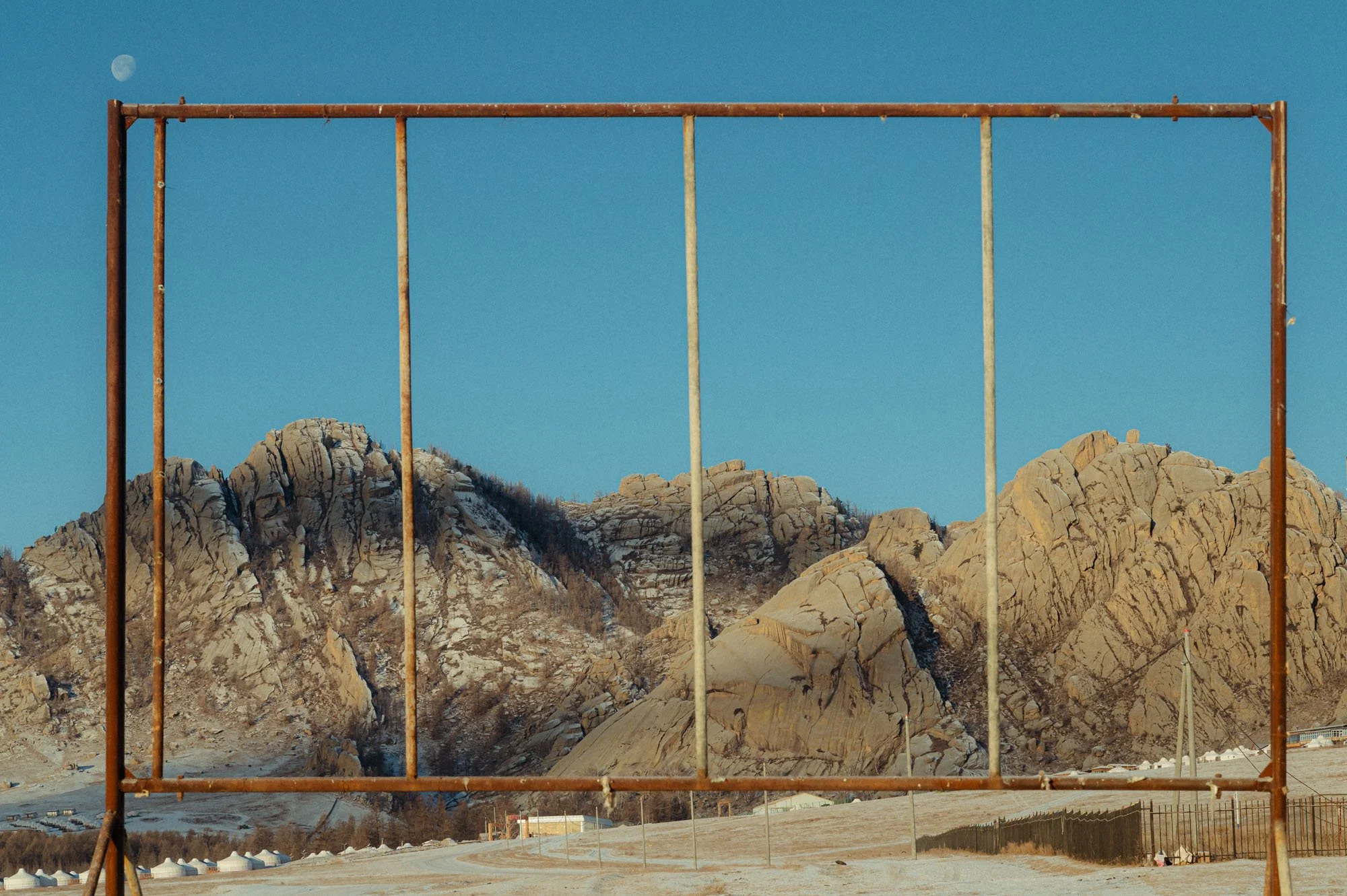
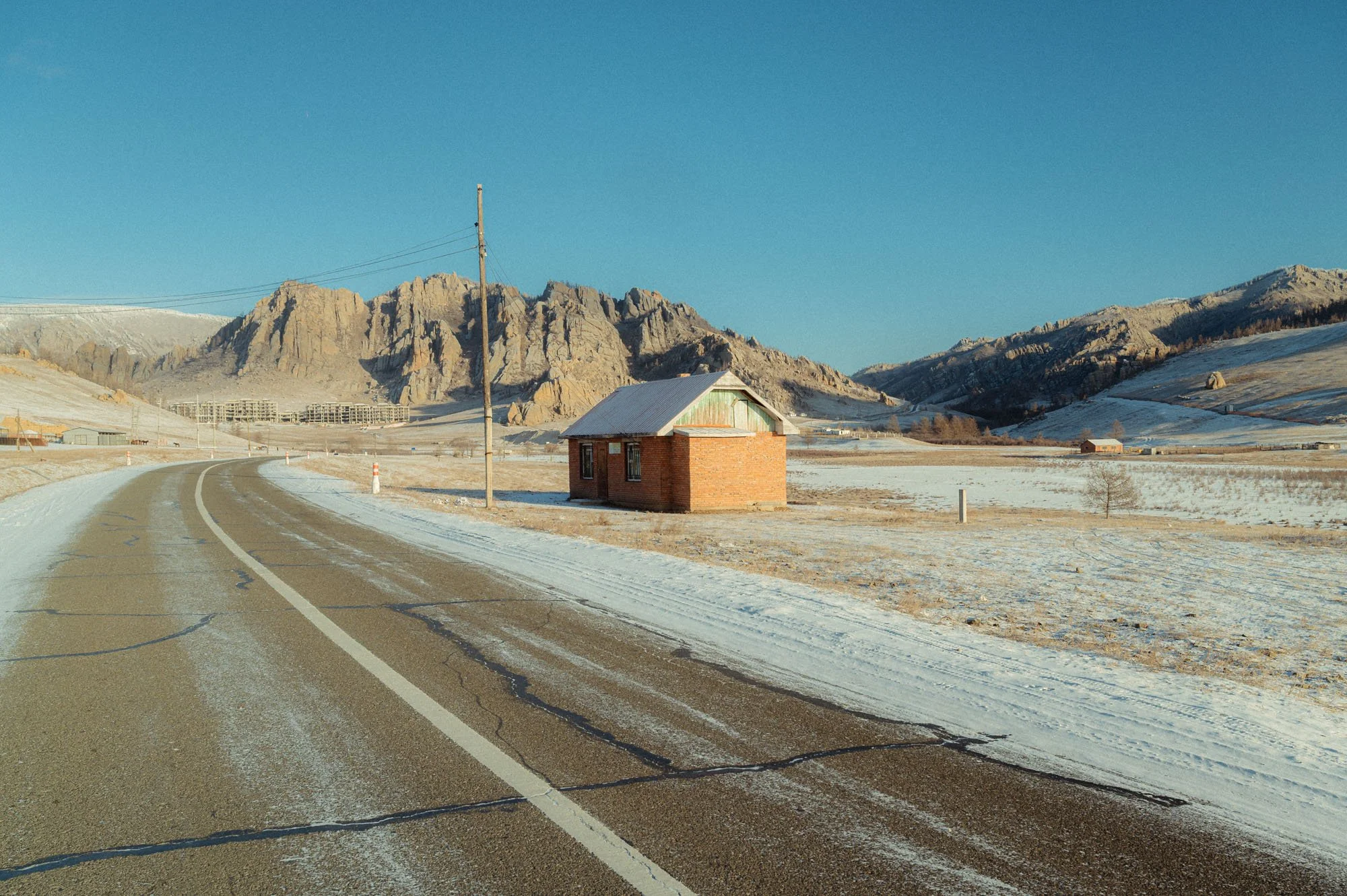
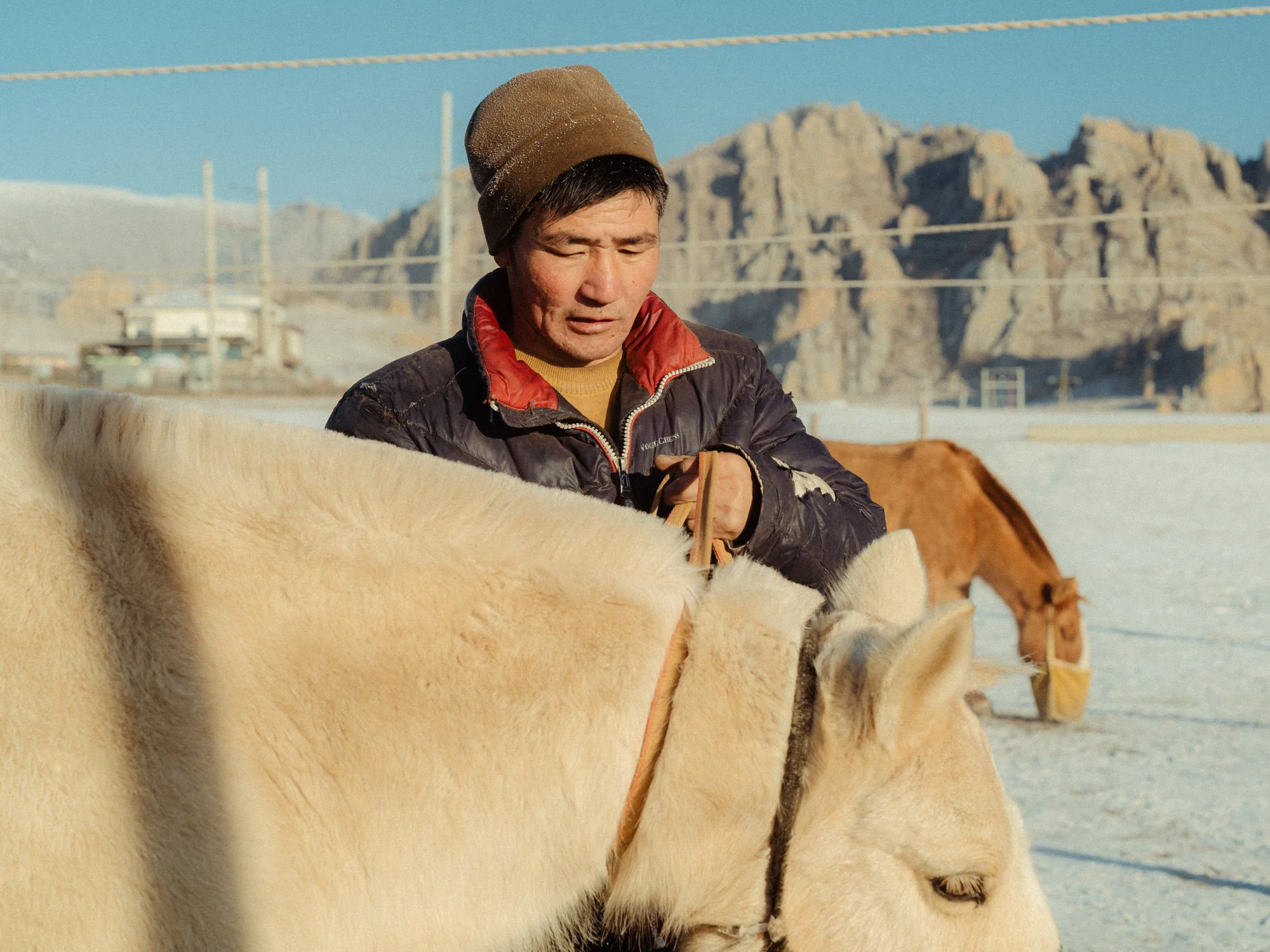
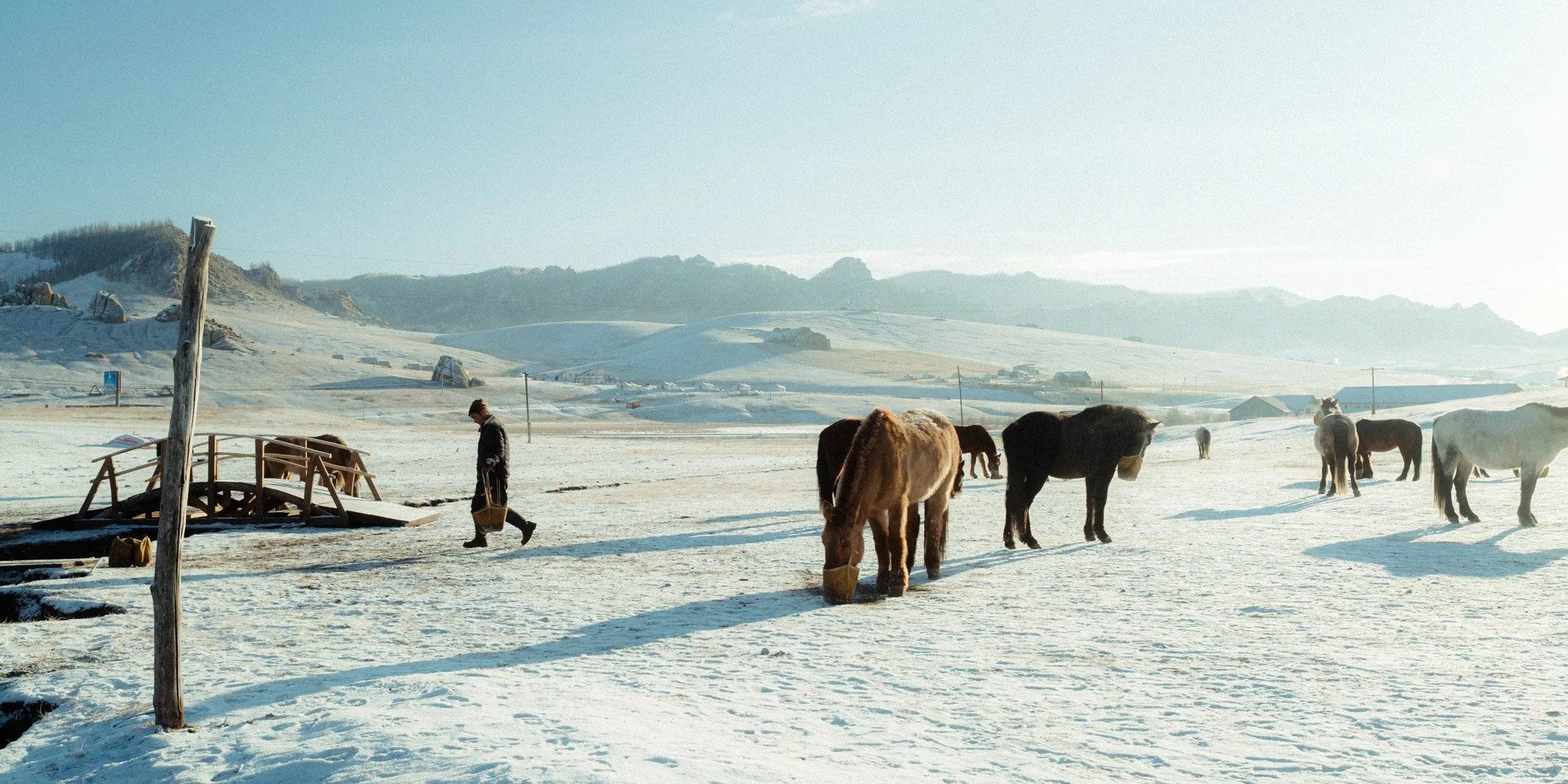
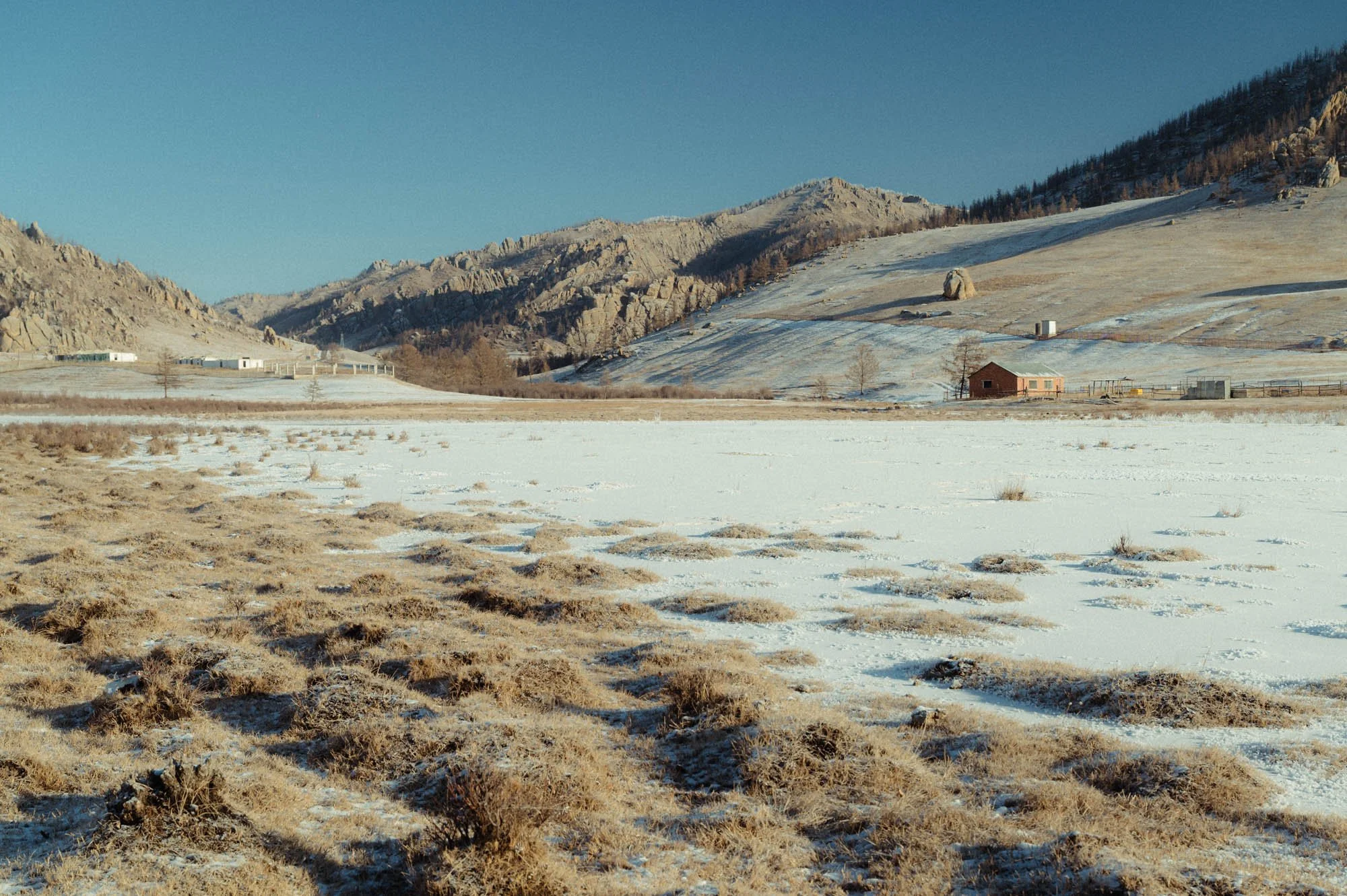
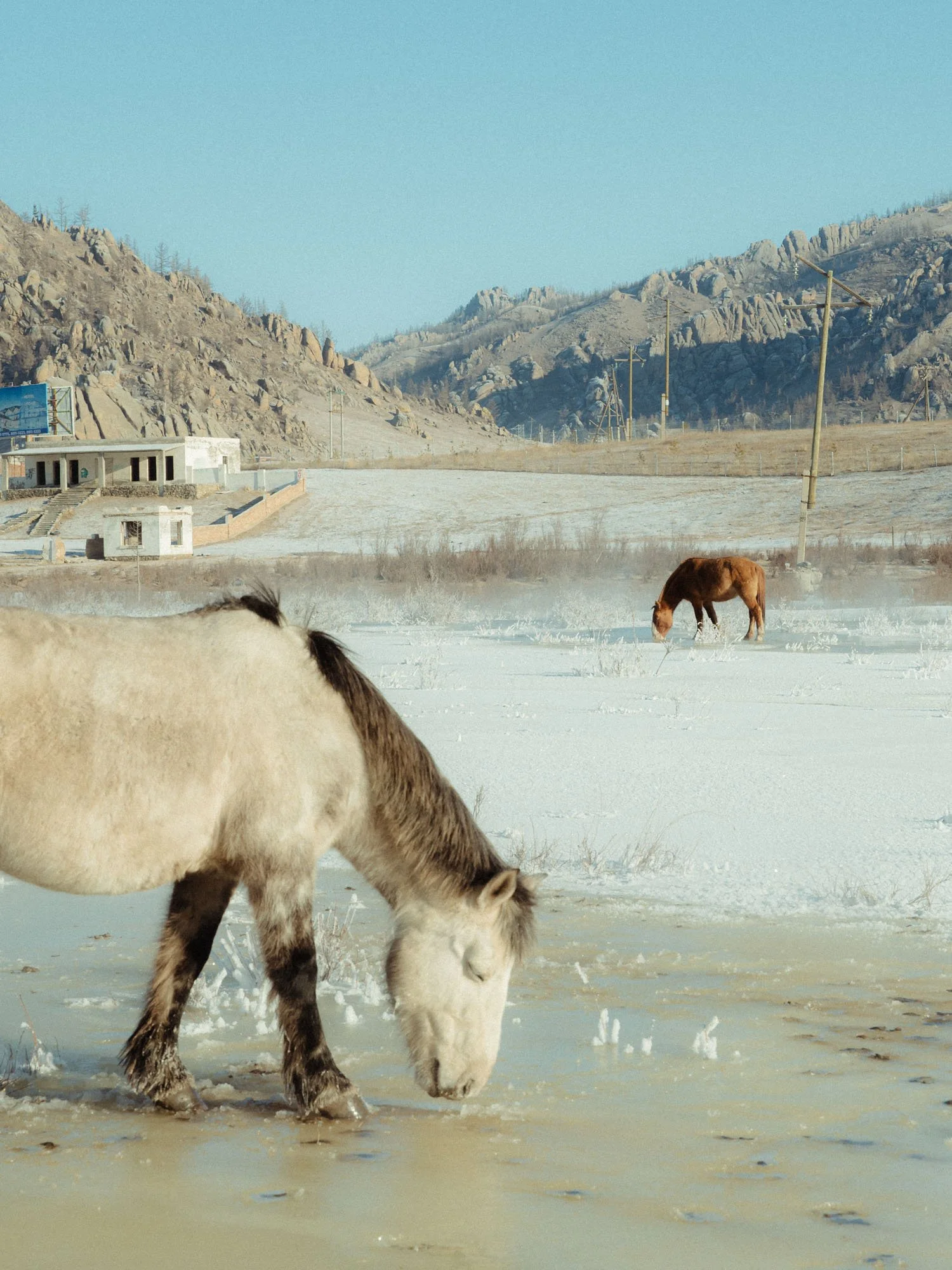
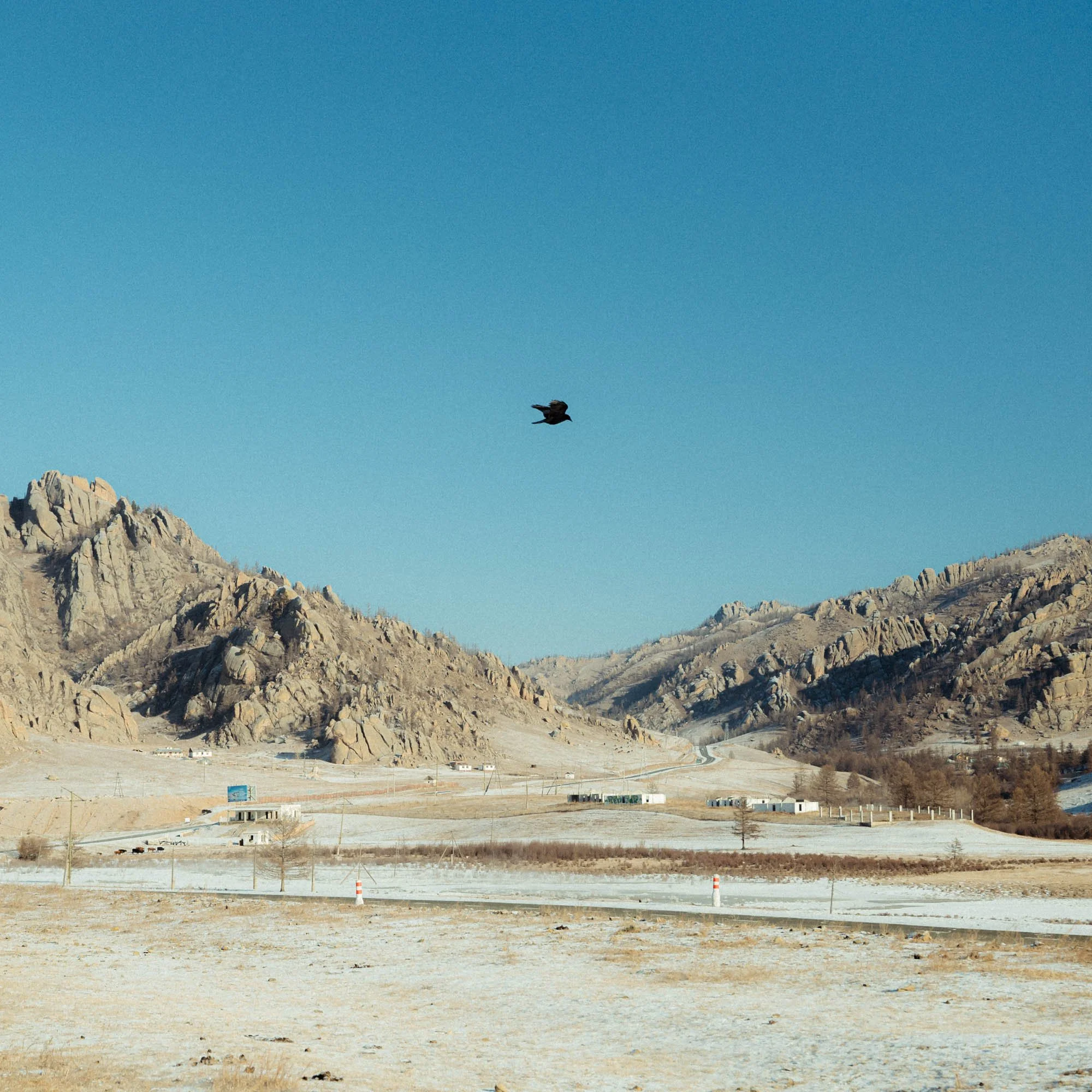
If you are a photographer, you know the most photographed places are often the least interesting. Why? Because you've seen them a thousand times. You end up chasing compositions everyone else has already shot. To get something new, you have to go where the infrastructure ends.
I know it's hard sometimes, but try to think about what you like first than what you expect people to like. What people want is a new creative eye that can show surprising framing. Showing them an eagle with a mongole has been done every time on social media… Or at least try to aim to focus on the tourist or the landscape and play with shapes to make it interesting. We already saw these portraits.
The Journey to Bat-Ulzii
Getting there isn't glamorous. It’s a 7 to 8-hour ride stuck next to a strong Mongole which after thinking they wanted me dead for the last 6h offered me a candy (without any smile). That's Mongole welcome I guess! They are all very friendly they just don't show it at first so don't be suprised.
About 2h after we left the capital (and as always a good amount of traffic jam), we had a stop in the middle of nowhere. PEE TIME! Everybody spread out looking at the horizon and pee at a reasonable distance. Girls have a small wall where they can hide, but some older ones seem to not care and just pee a little bit further away.
Halfway through the cold and white landscape, we had a stop at a random break area to stretch a quick pee this time with public toilets and a restaurant! Nothing makes me happier than a good restaurant in the middle of nowhere. Did I say "good”? Well, good enough… It's a famous branch (Khaan Buuz) that offers various Mongolian meals and I couldn't resist getting a Tsuivan (noodle stir-fry), and portions are always crazy big here, happy me!
For the rest of the trip, it was pretty chill. There are enough antennas on this road to get internet, and I could keep reading my Berserk on iPad Mini (best reader!).
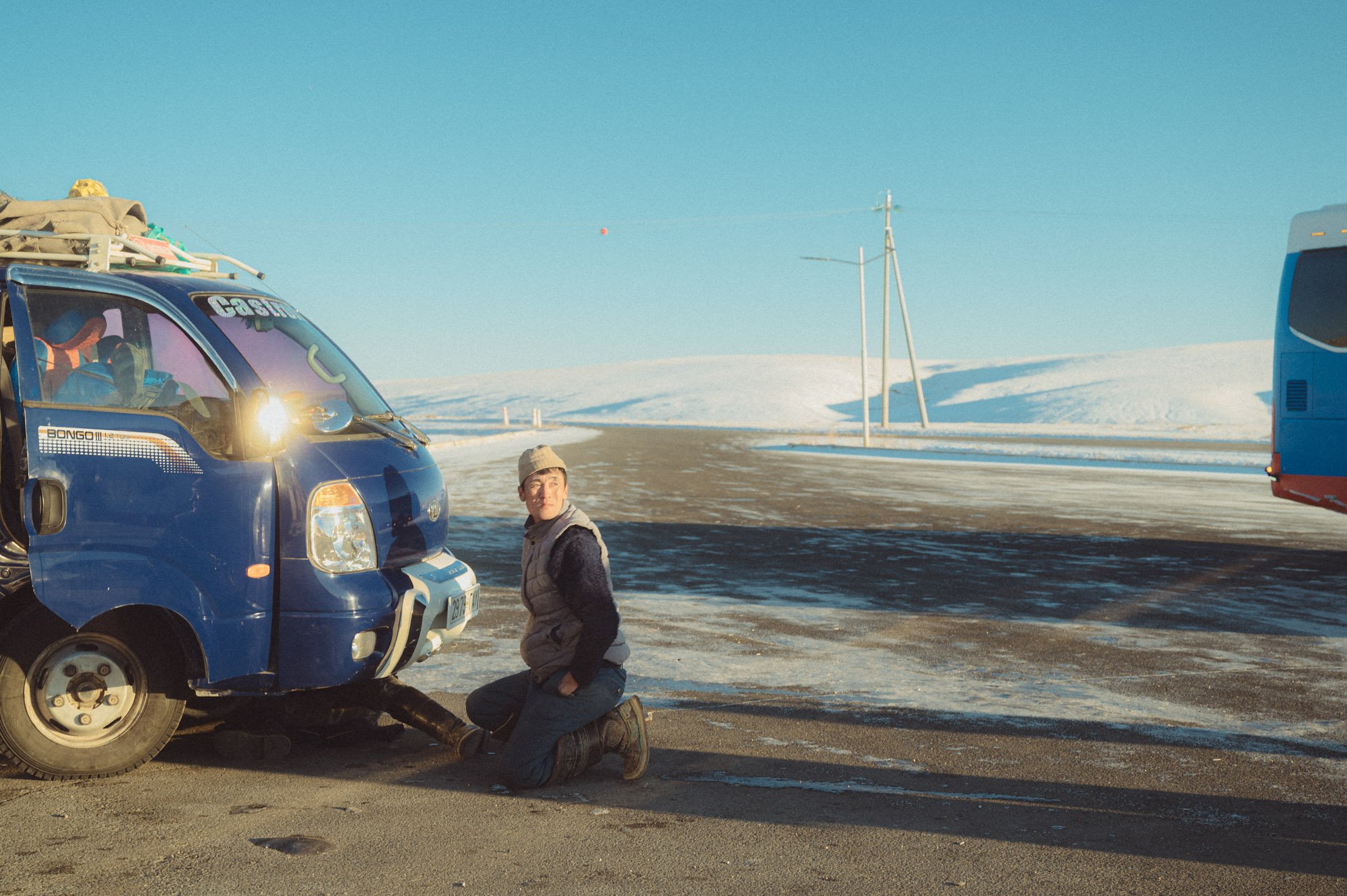
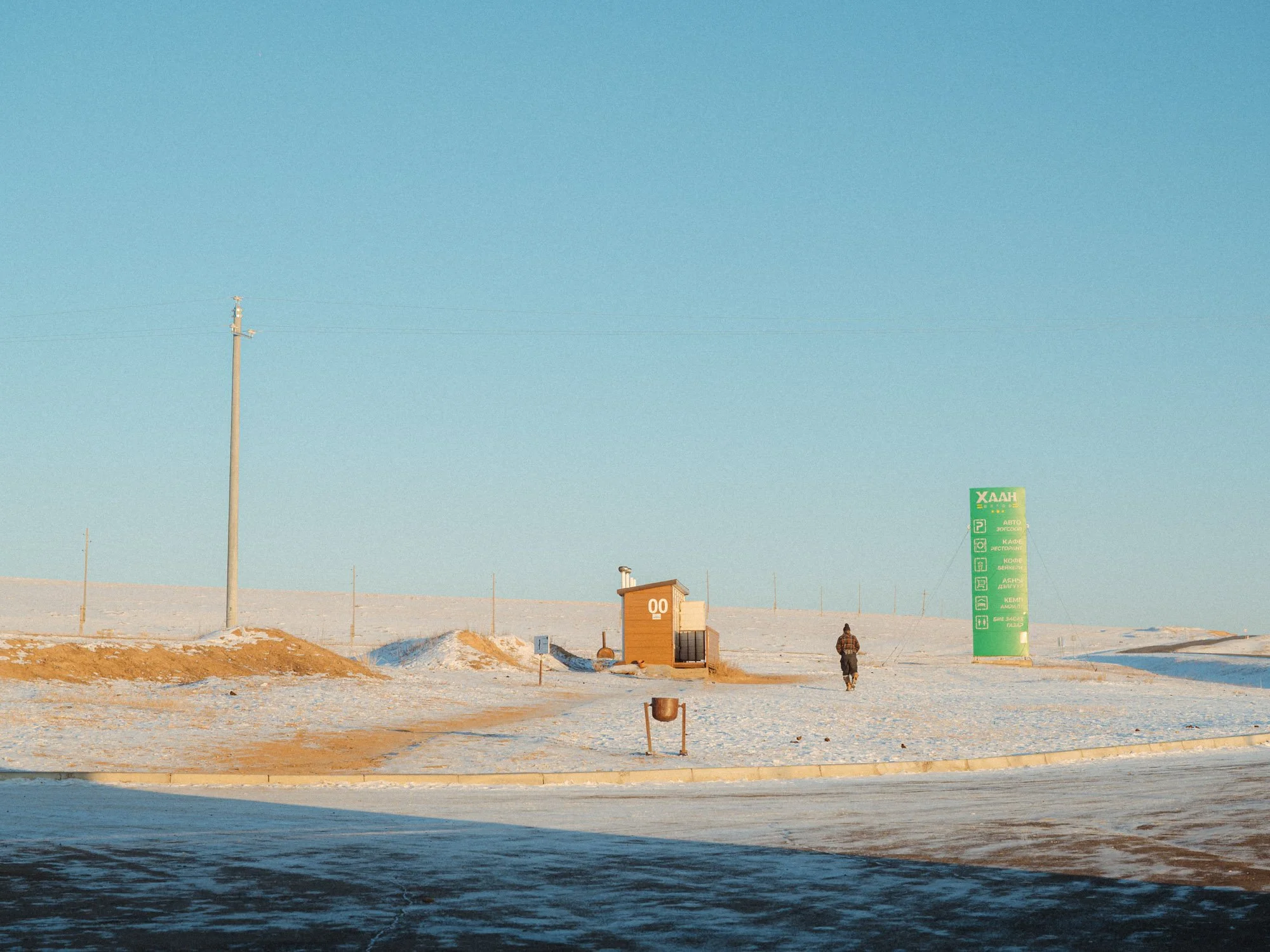
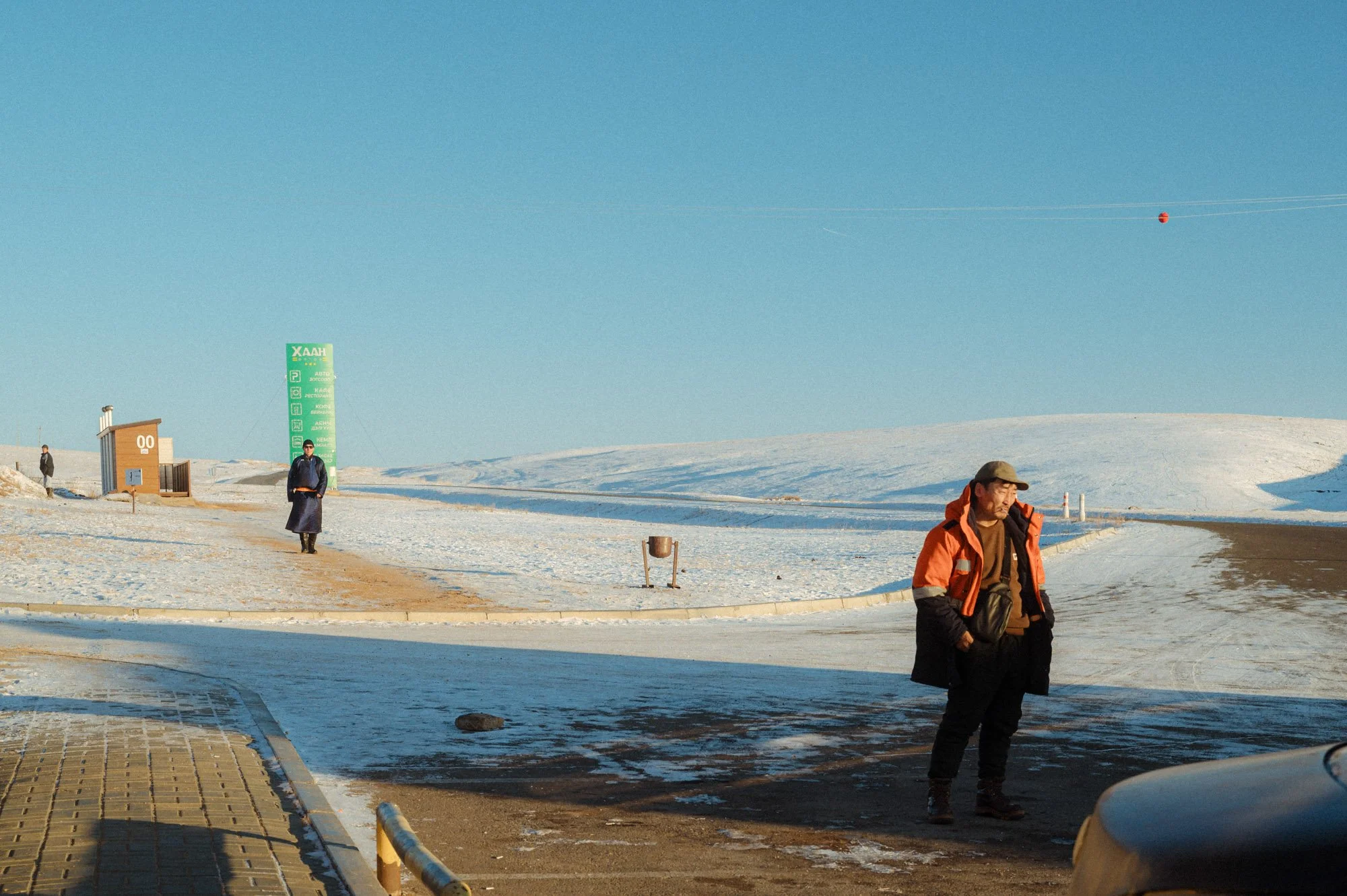
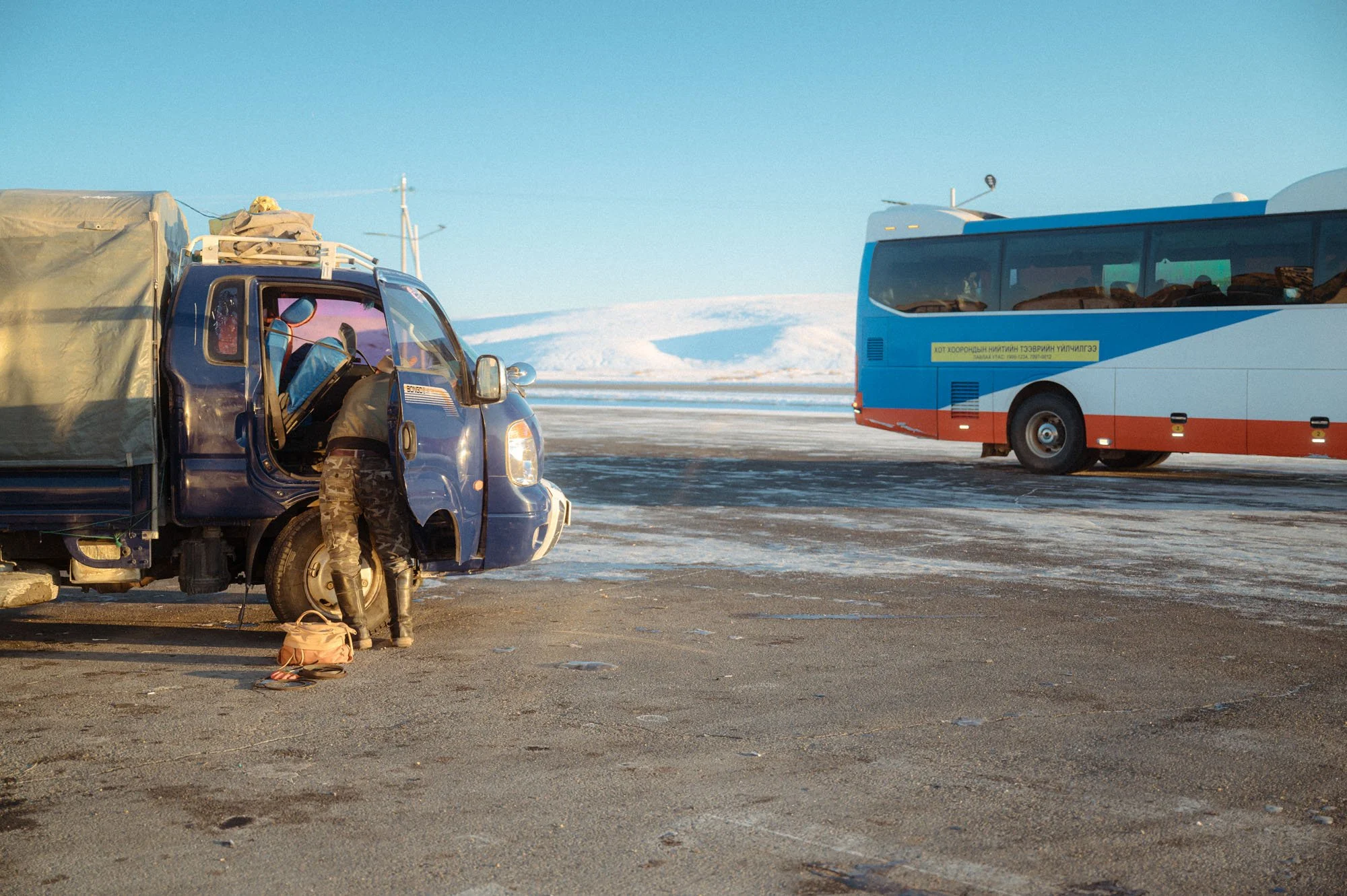
Once close to the end, we had to leave the main road, and I experienced for the first time an off-road bus. Quite impressive and intense for 30 minutes to drive like this, but we did it. We arrived at Bat-Ulzii, and now I had to join the family that will give me a bed for the next 3 nights. BUT FIRST, an other trip by van for 2 hours to arrive at the Ger in the middle of nowhere!
Living Frozen: The Ger Experience
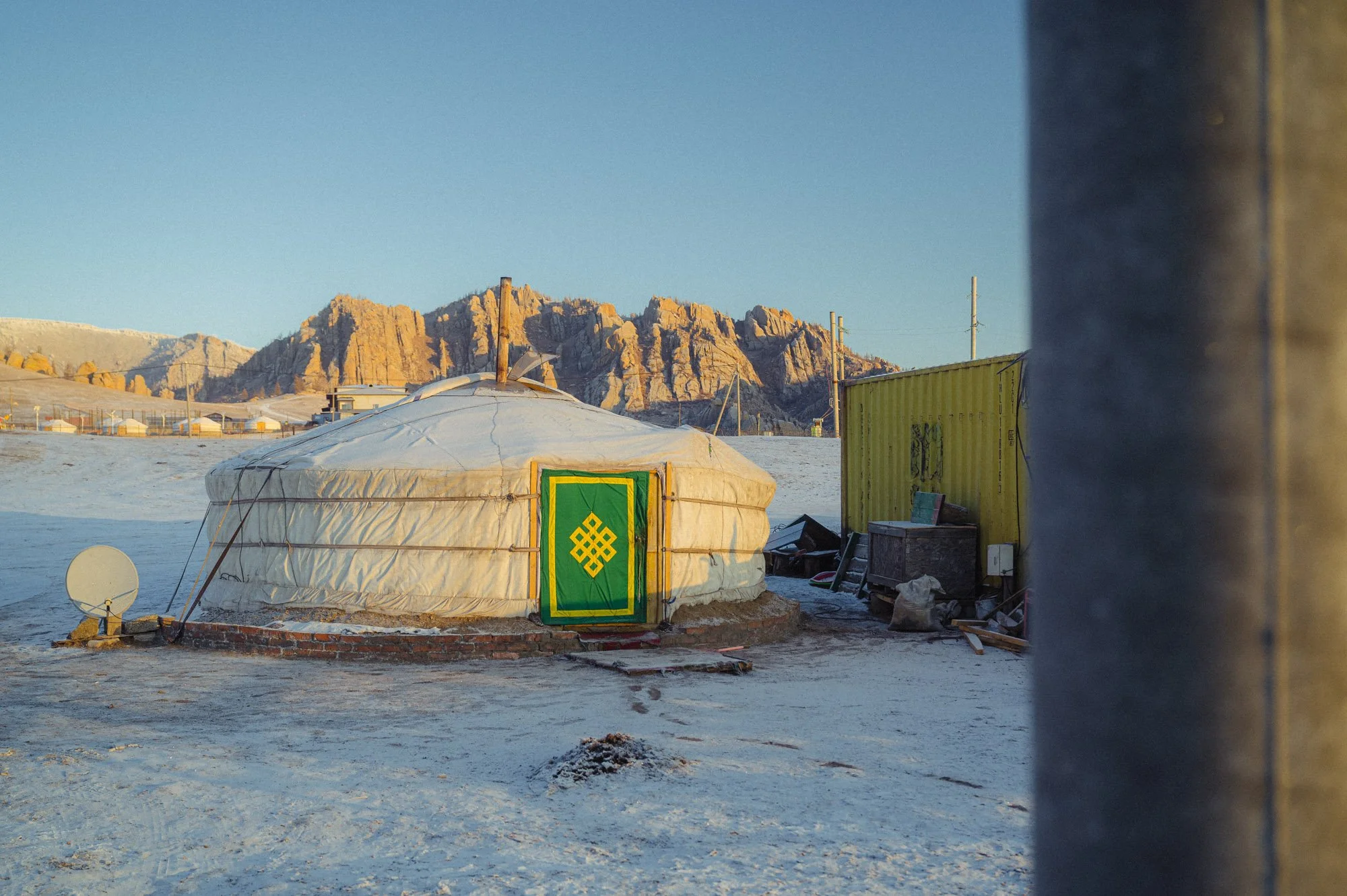
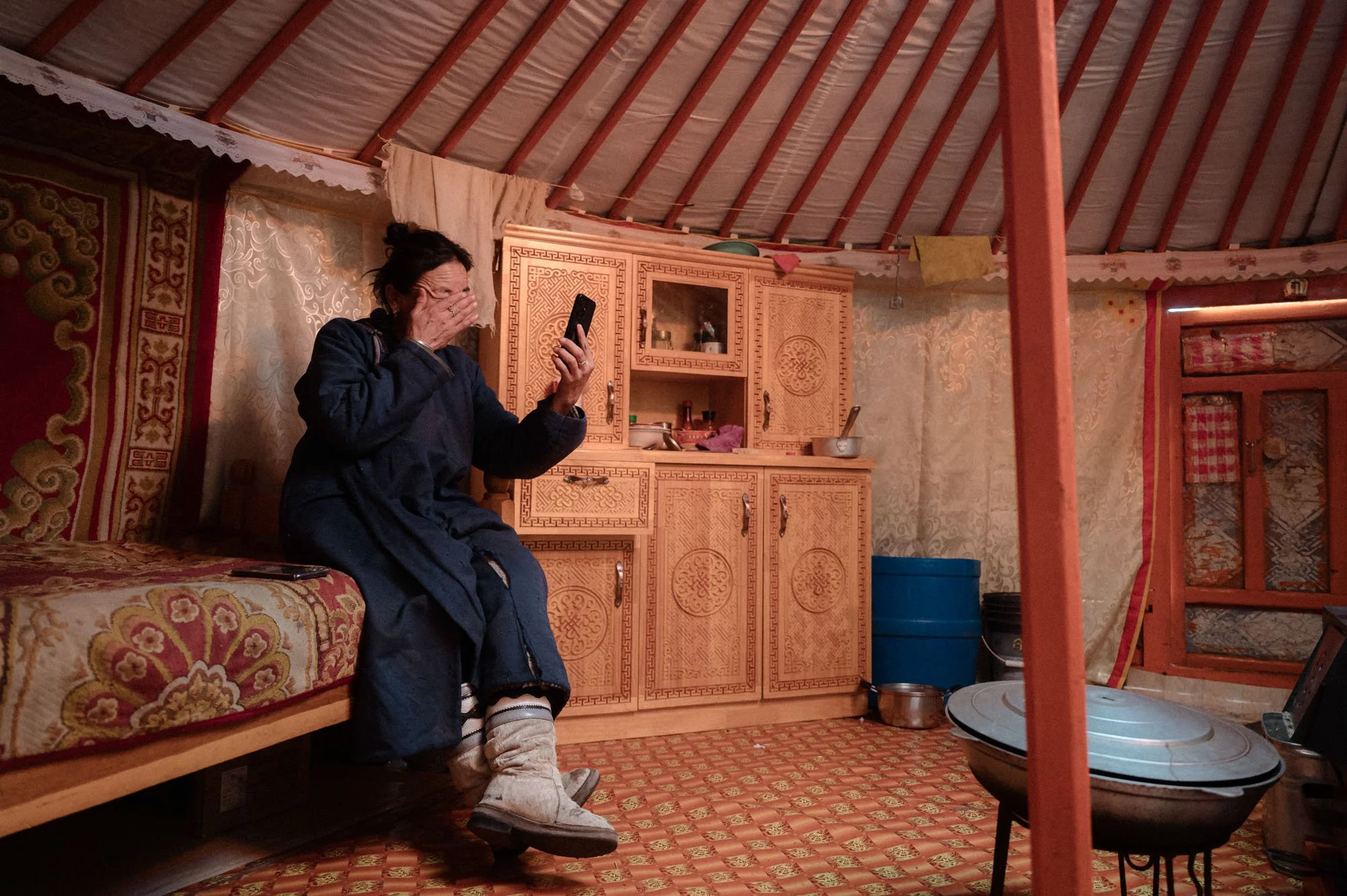
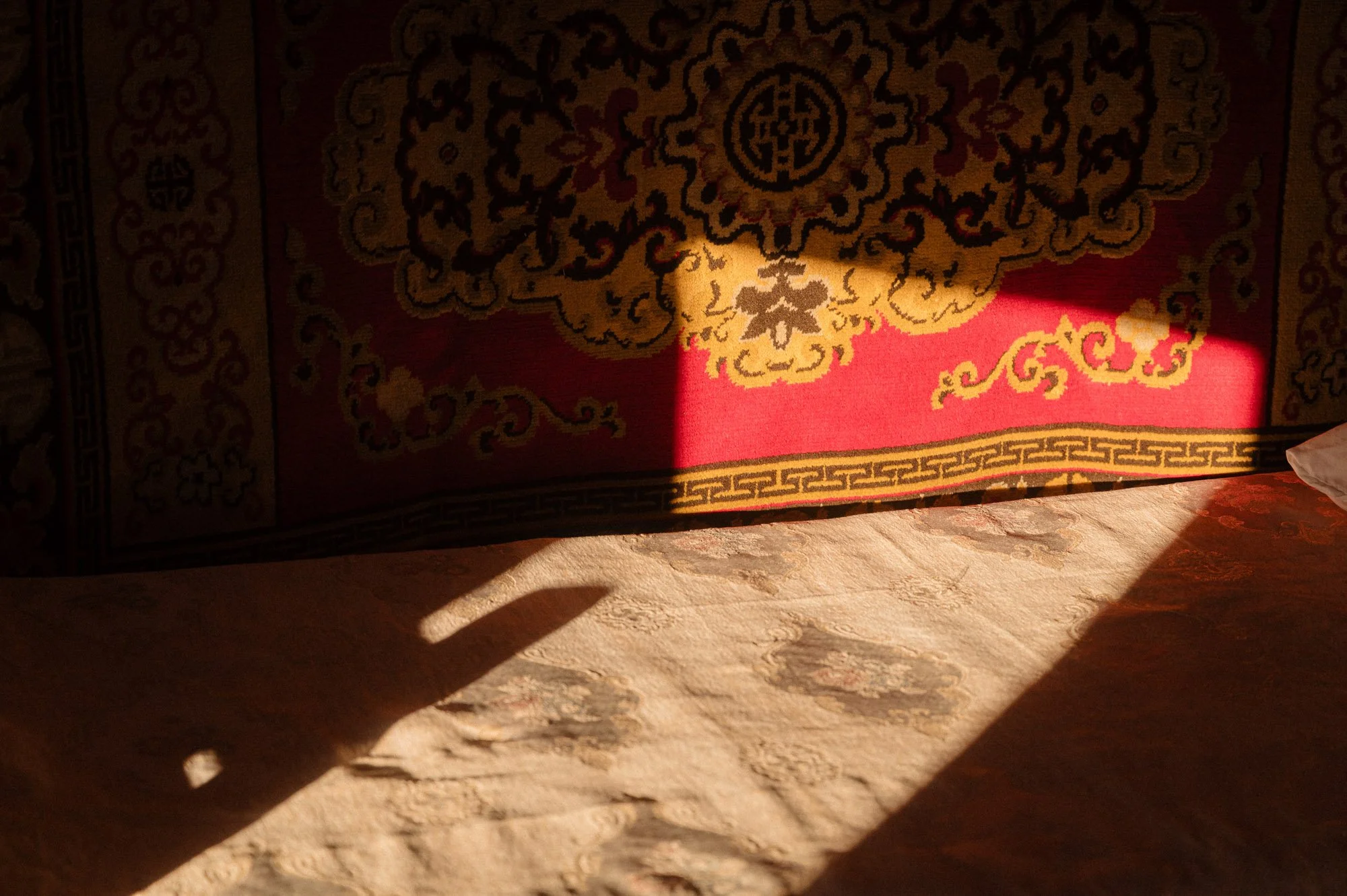
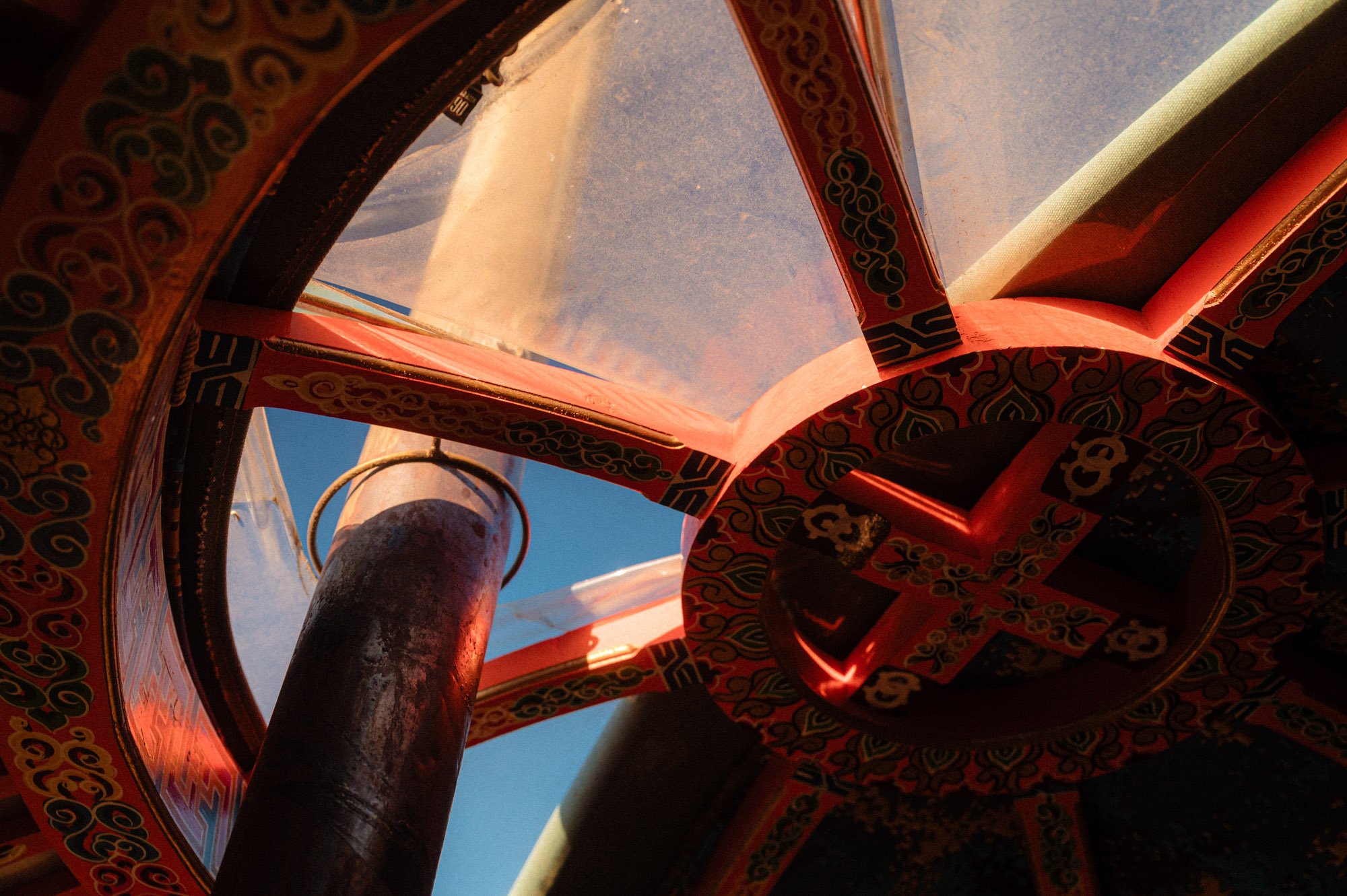
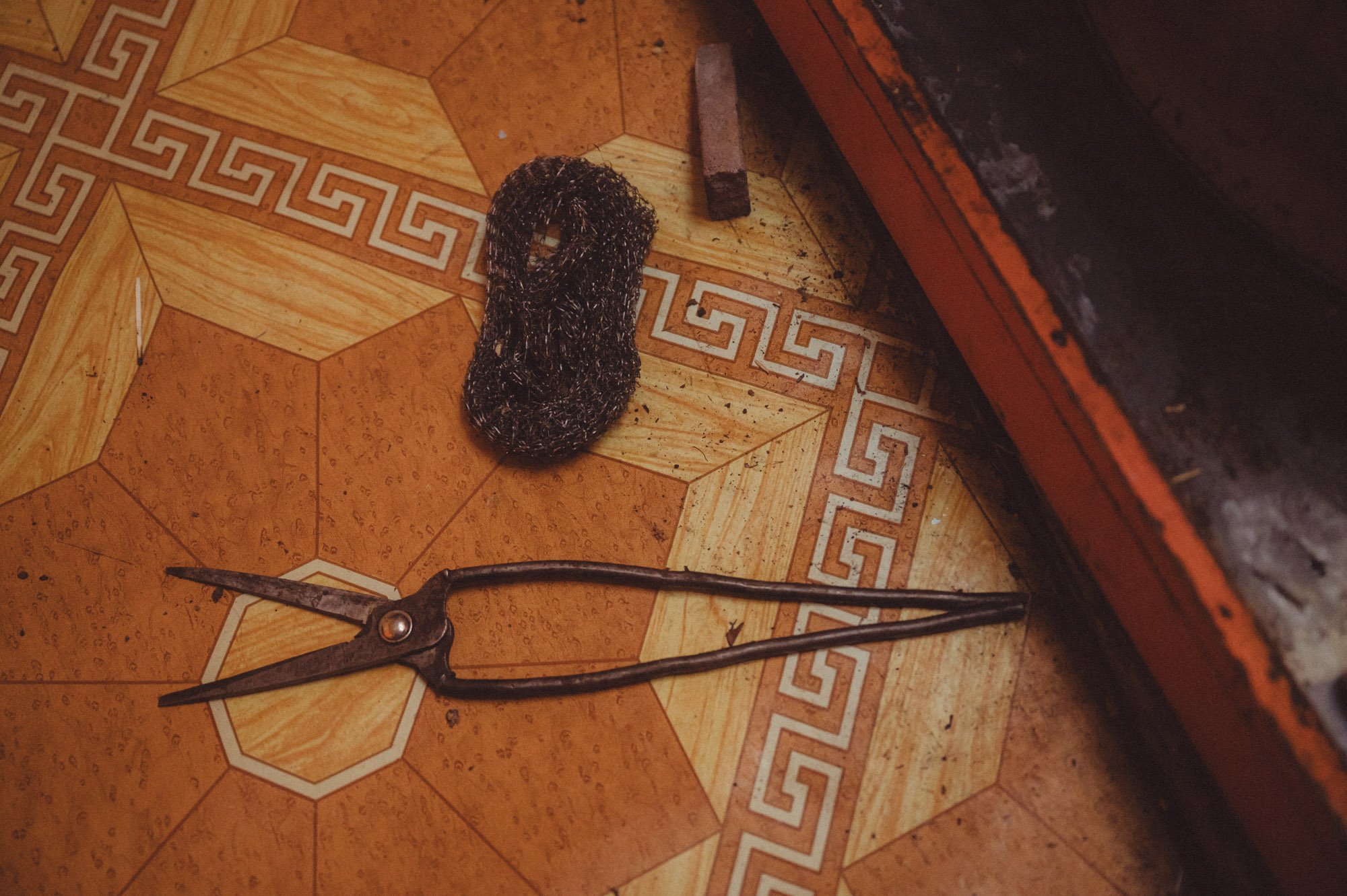
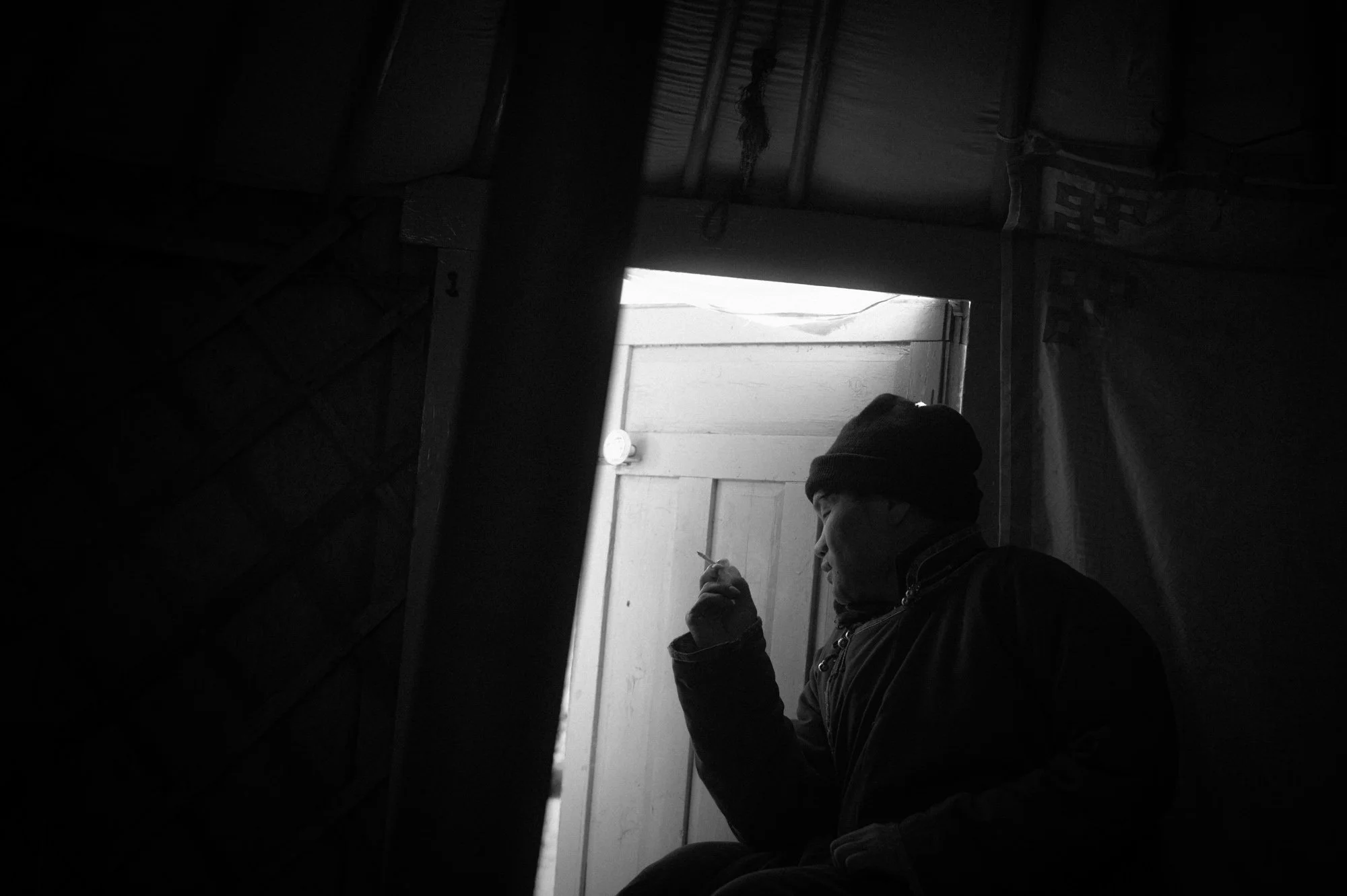
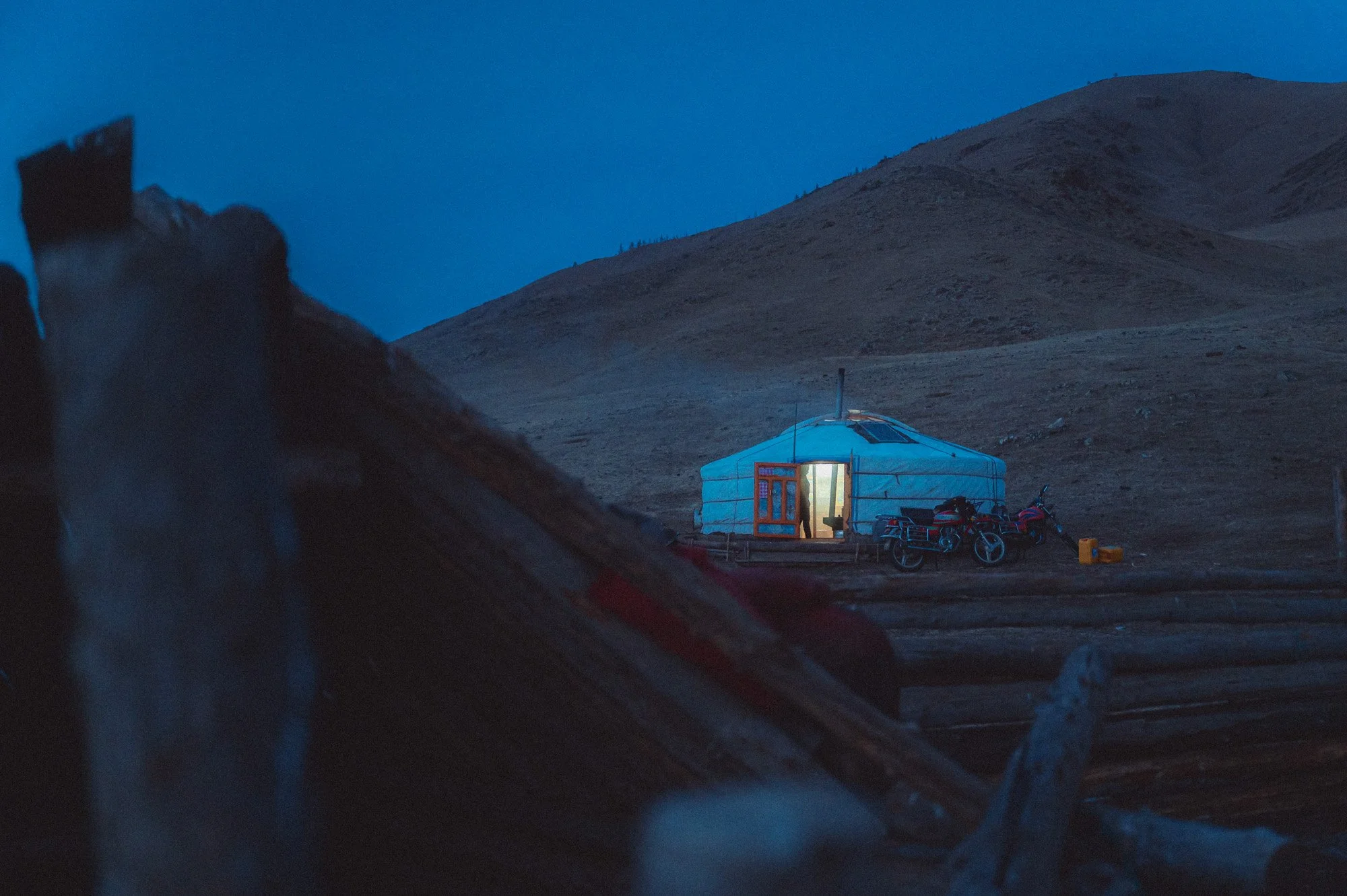
Winter in a real ger (the correct Mongolian word for yurt) is unique! It feels a little bit like glamping in South Korea. A comfortable way of going to camp. But by -25°C, there is nothing comfortable!
Temperature: It drops to -25°C or lower at night. -15-20°C during the day. But during peak freezing time, it can reach -40°C!
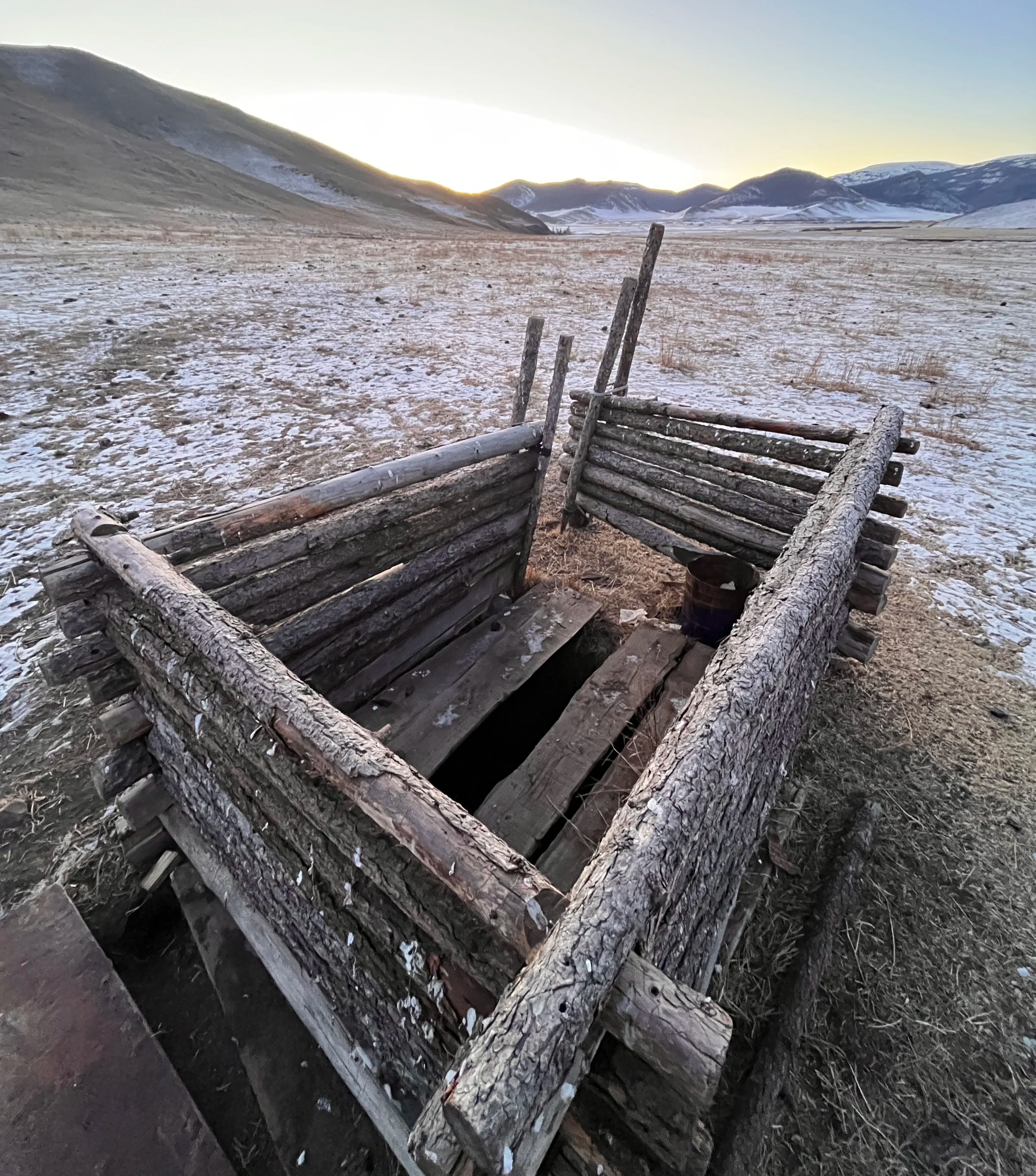
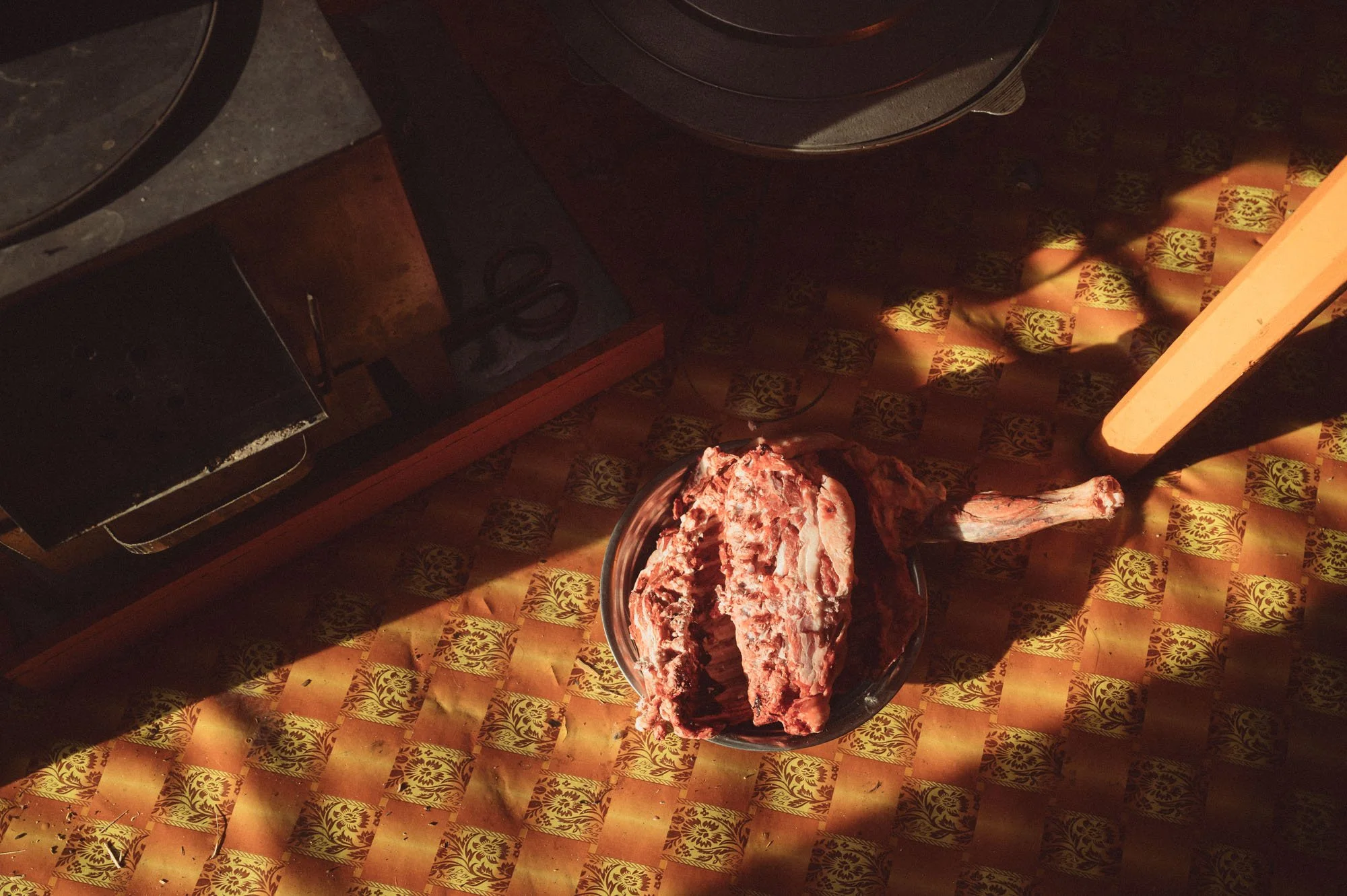
Amenities: Zero. No showers, only a sink with a reserve of water (frozen in the morning). The toilet is a hole in the frozen ground, often just a fence with a view of the horizon.
Morning Routine: You wake up under four thick blankets. The water you set out the night before is a block of ice. You wait for the fire to kick in before you move.
But this discomfort forces you to work! You just need to forget about your daily shower and focus on what you can do, on my side; photos.
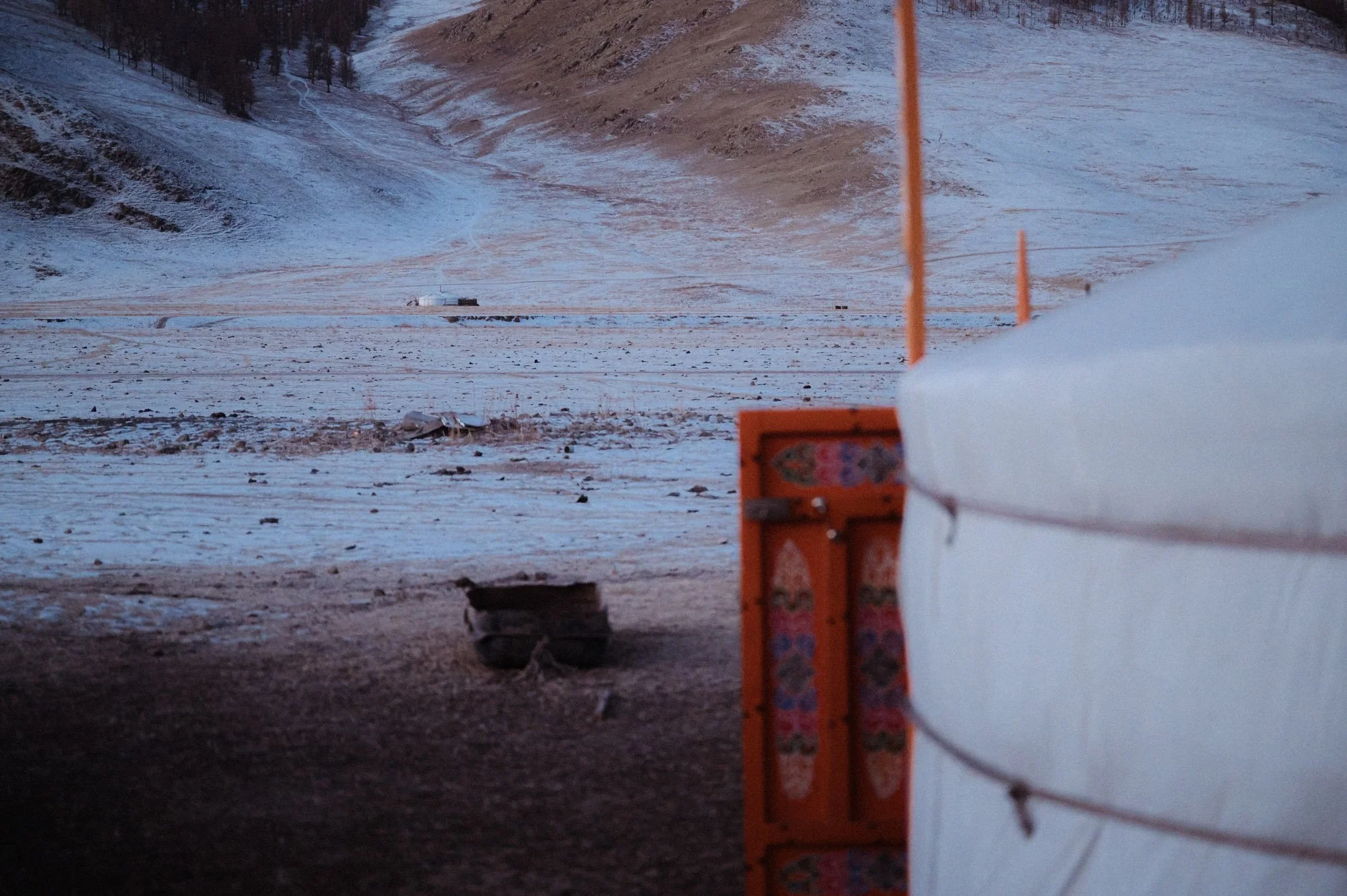
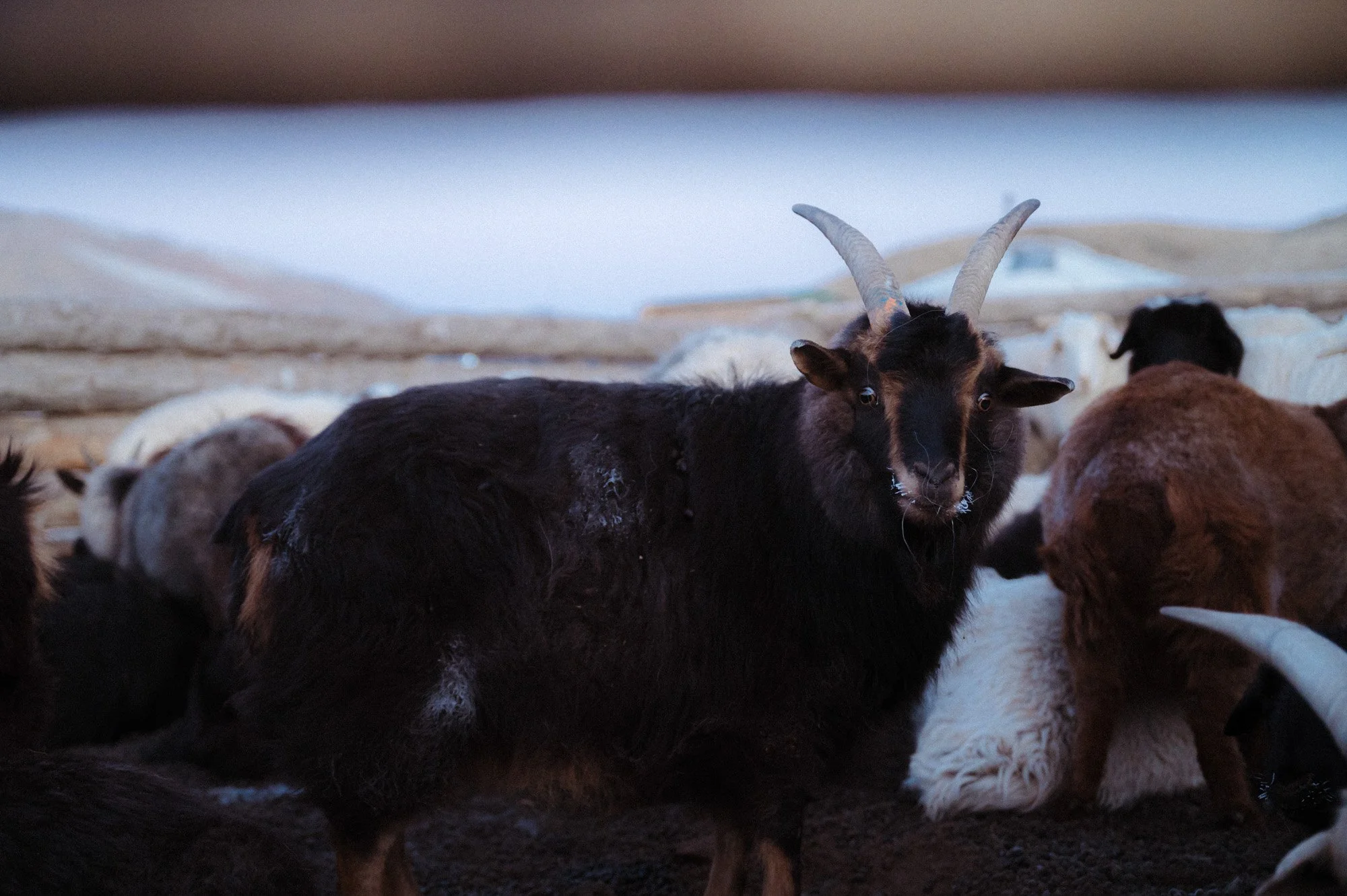
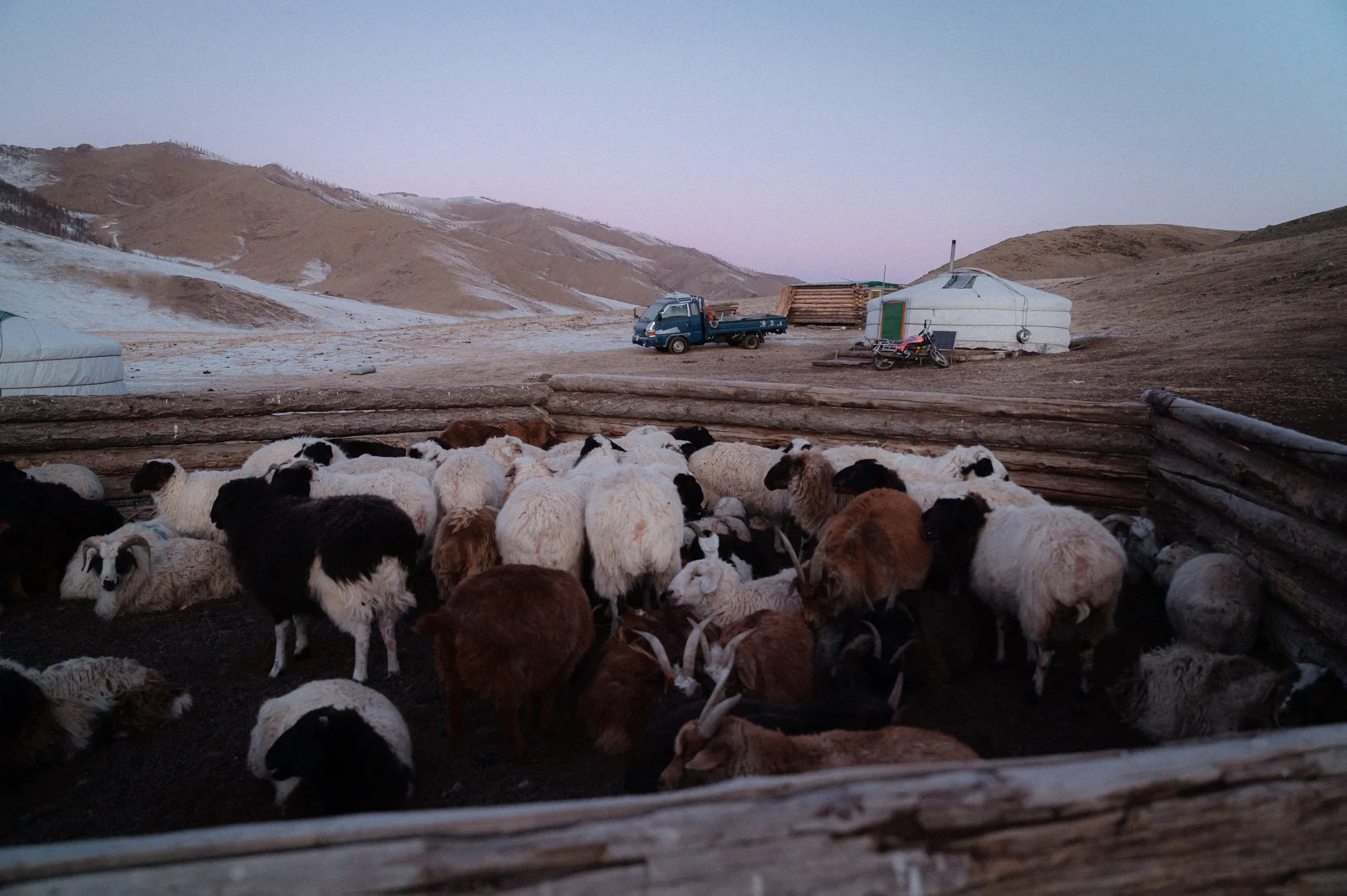
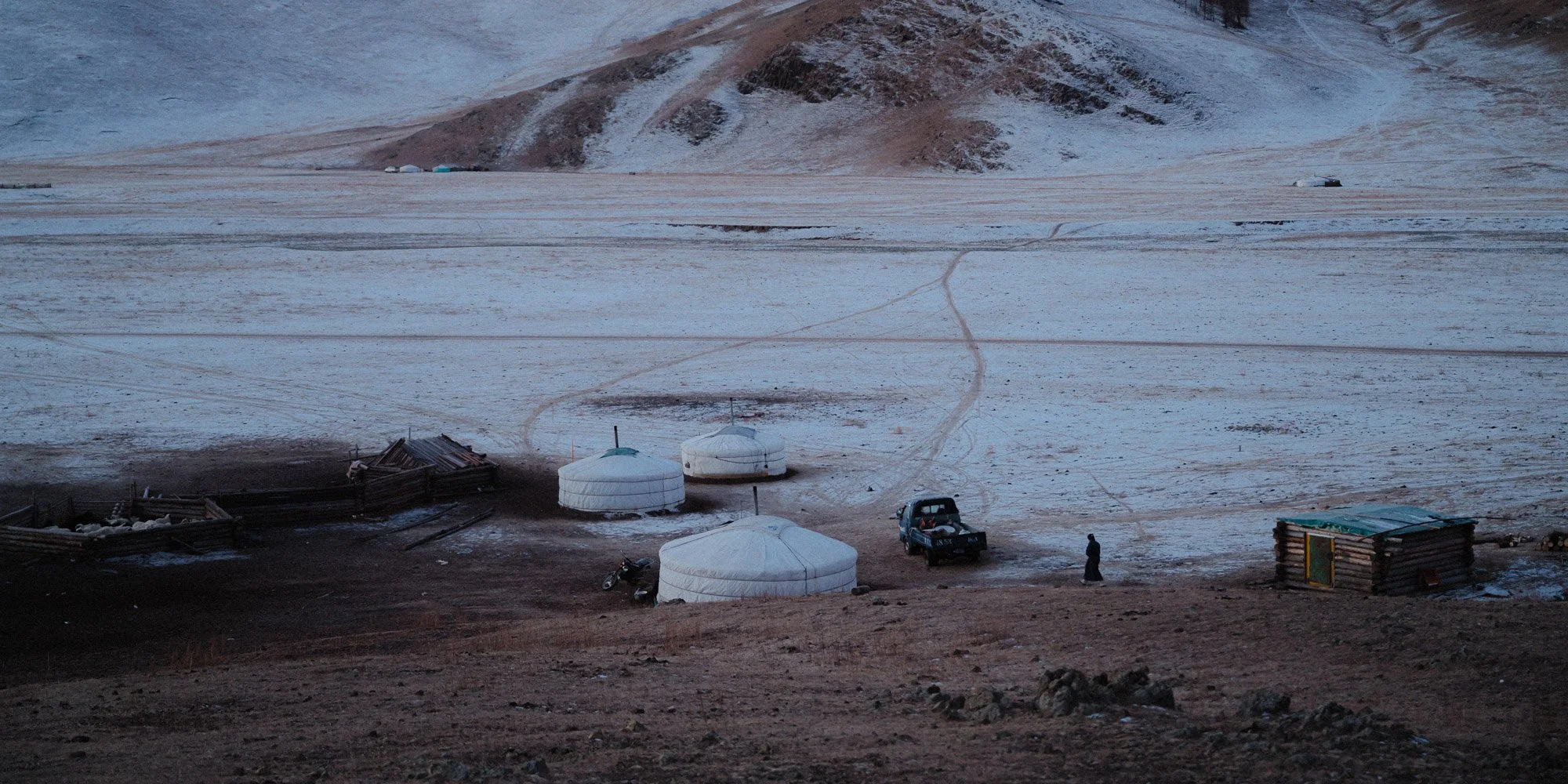
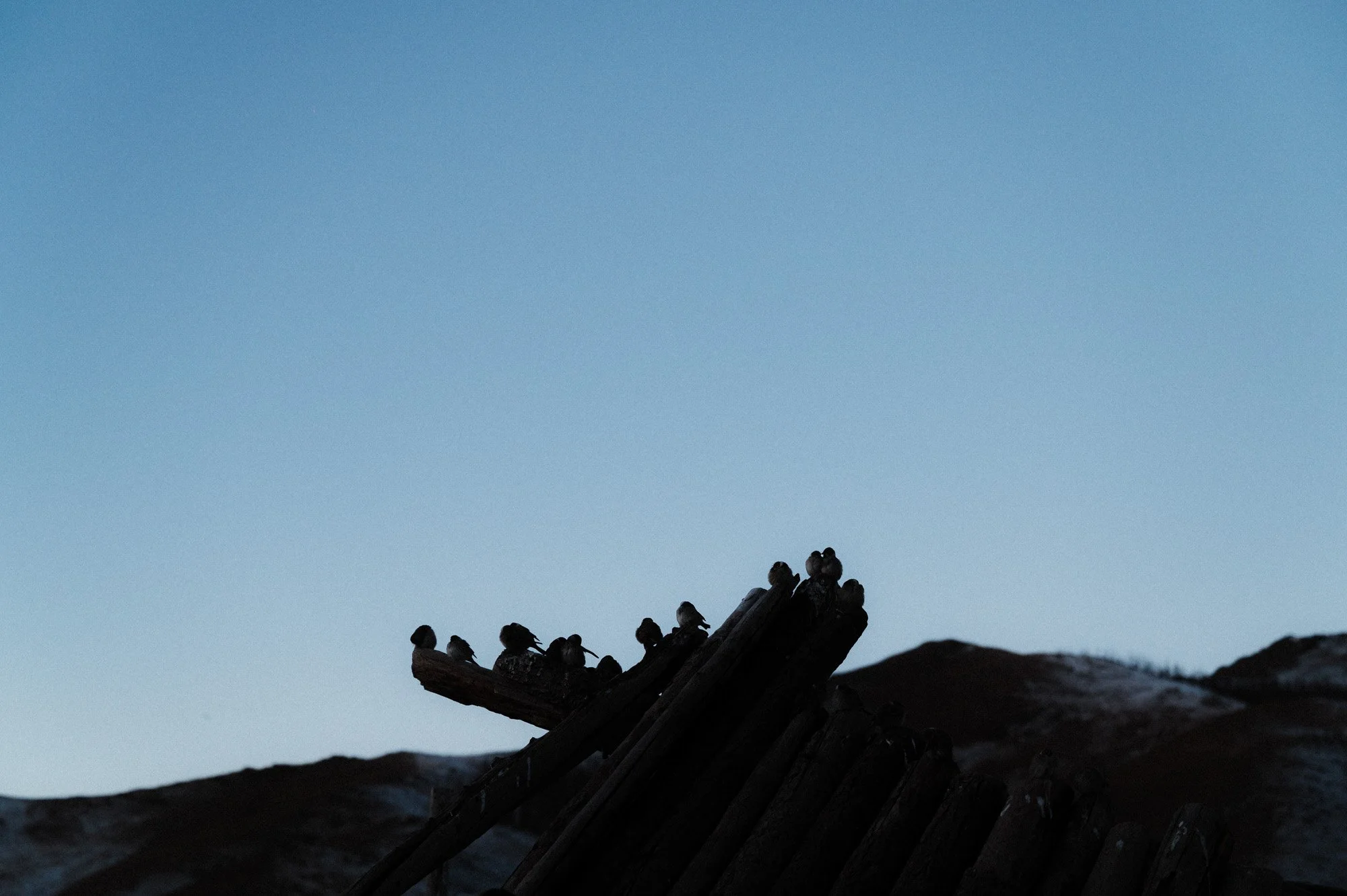
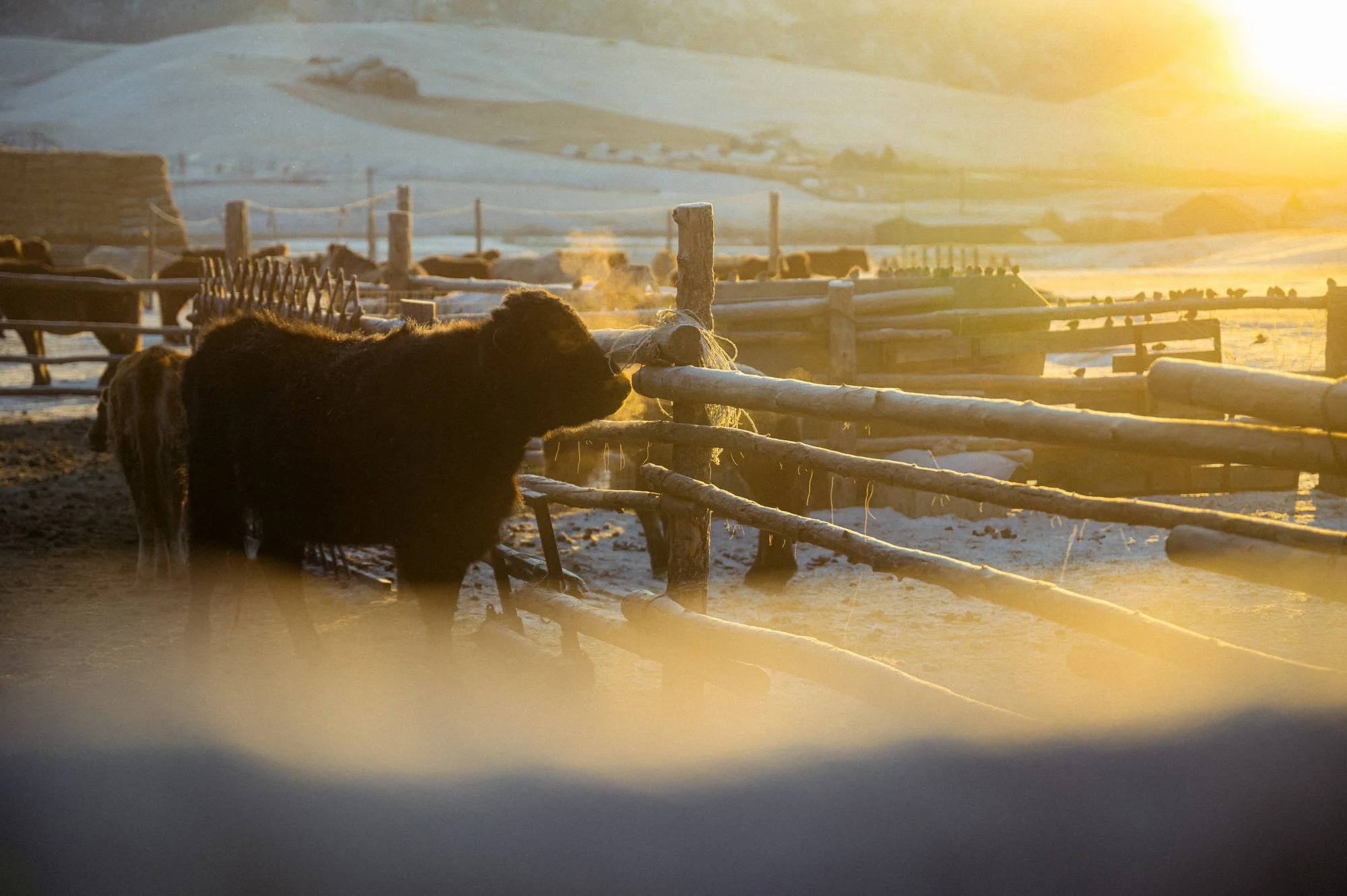
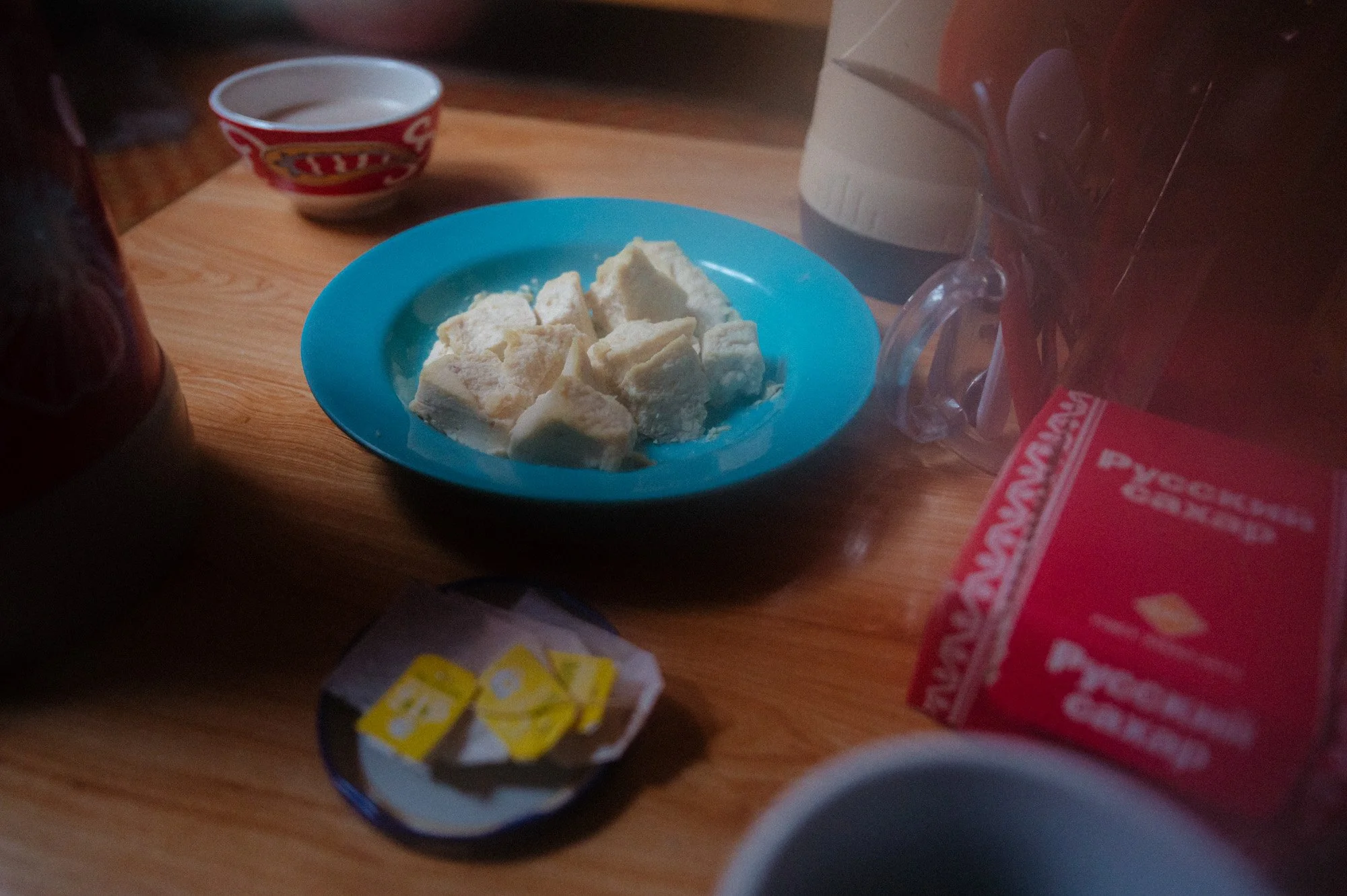
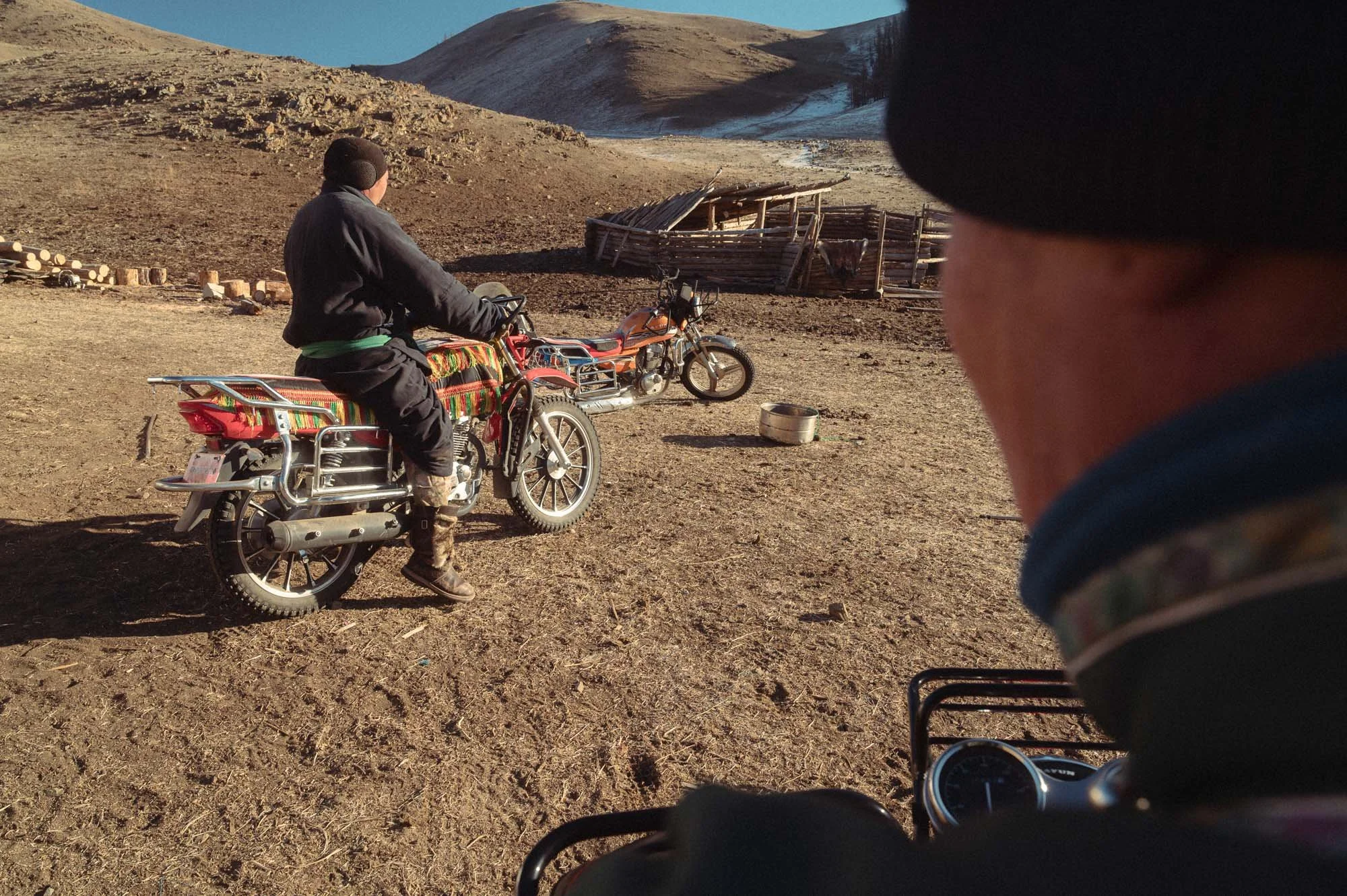
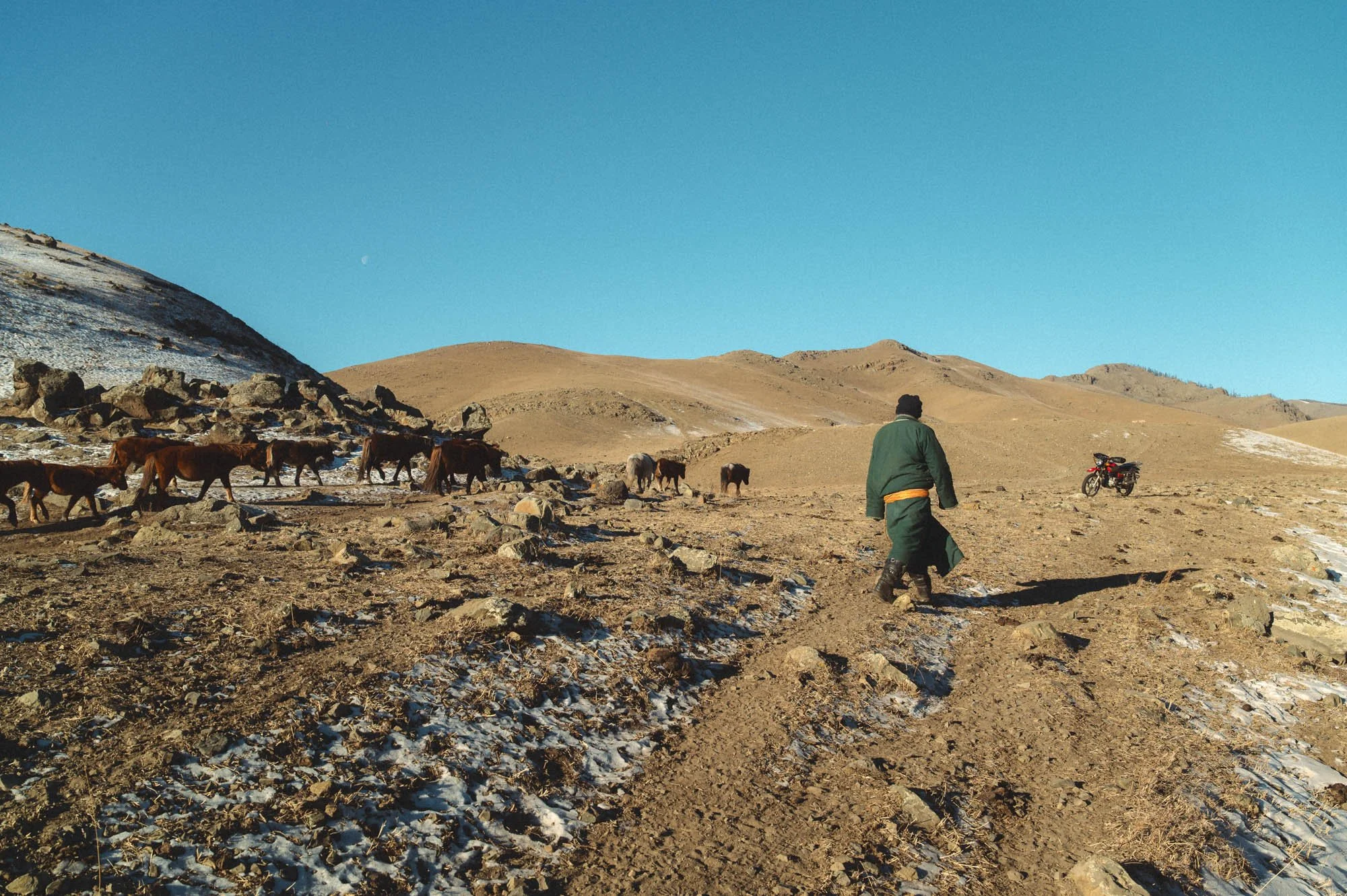
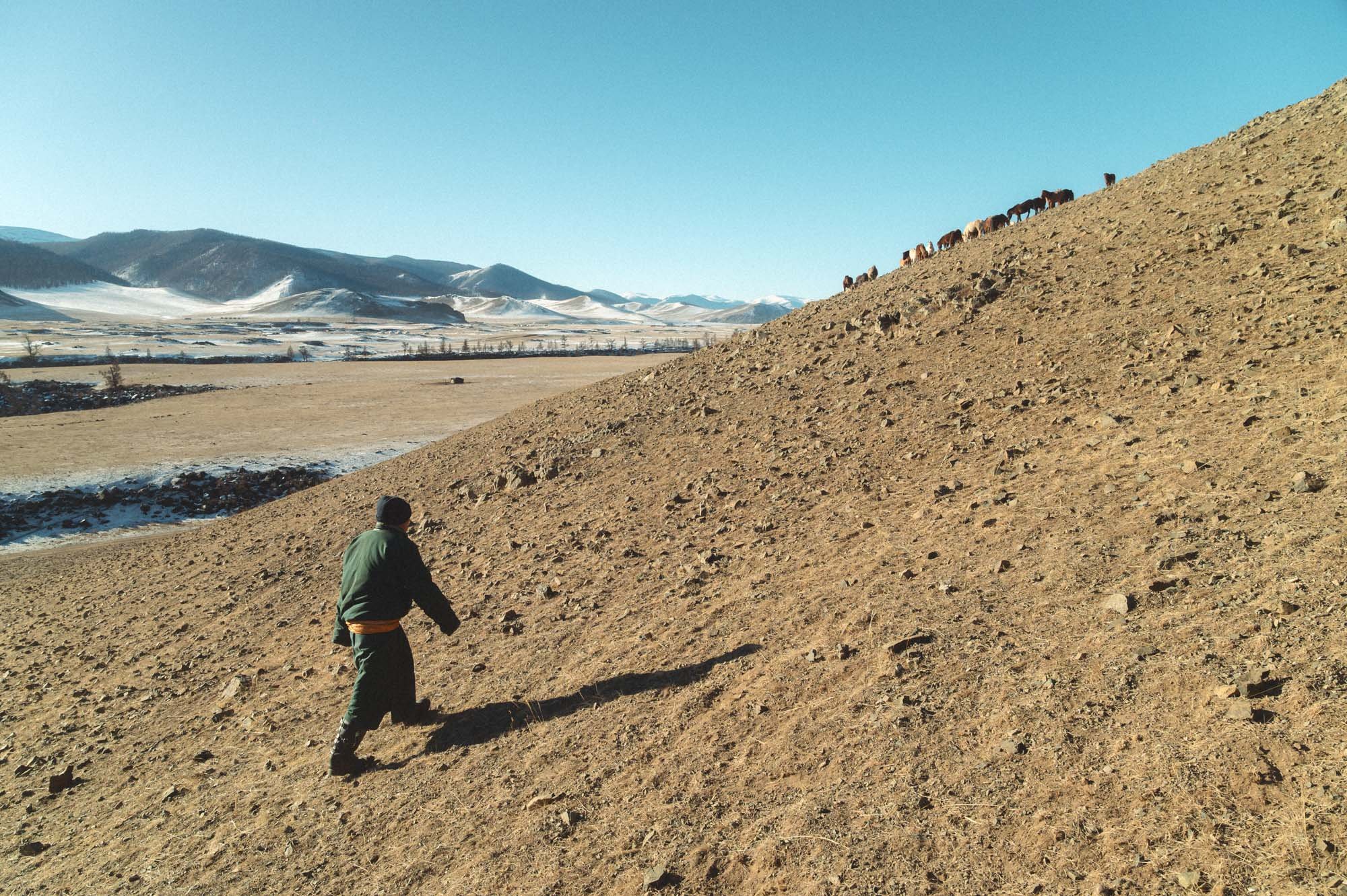
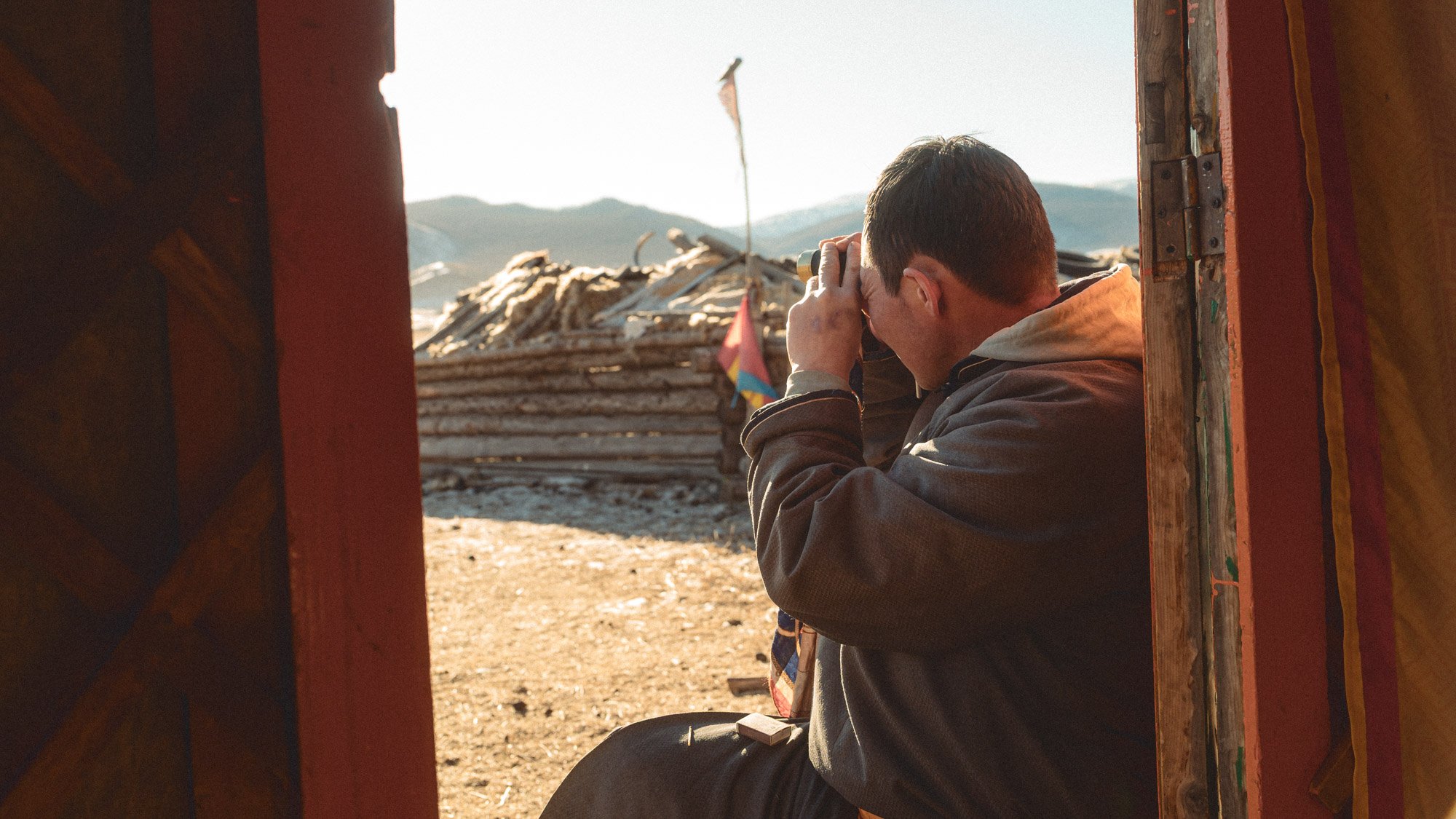
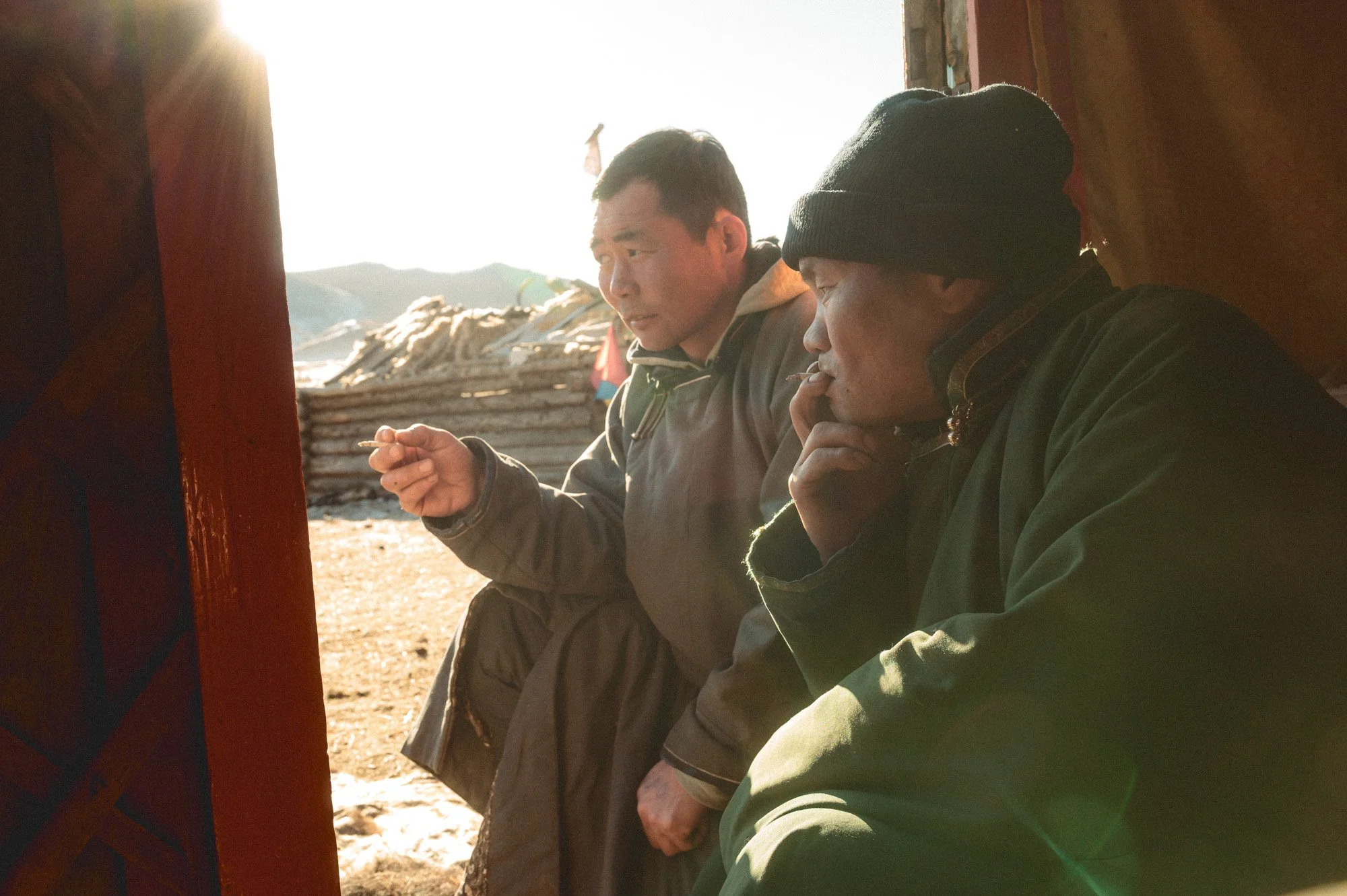
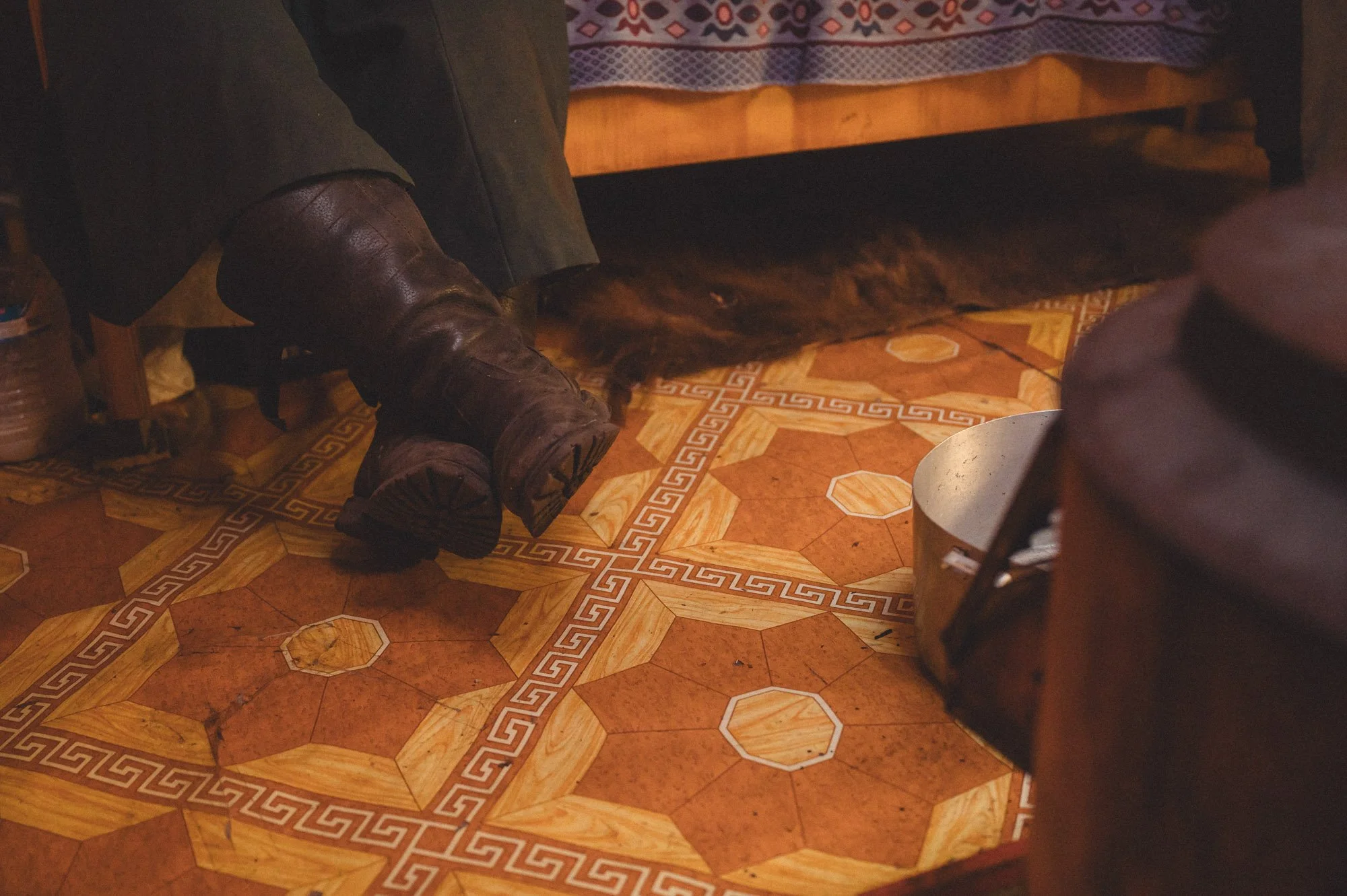
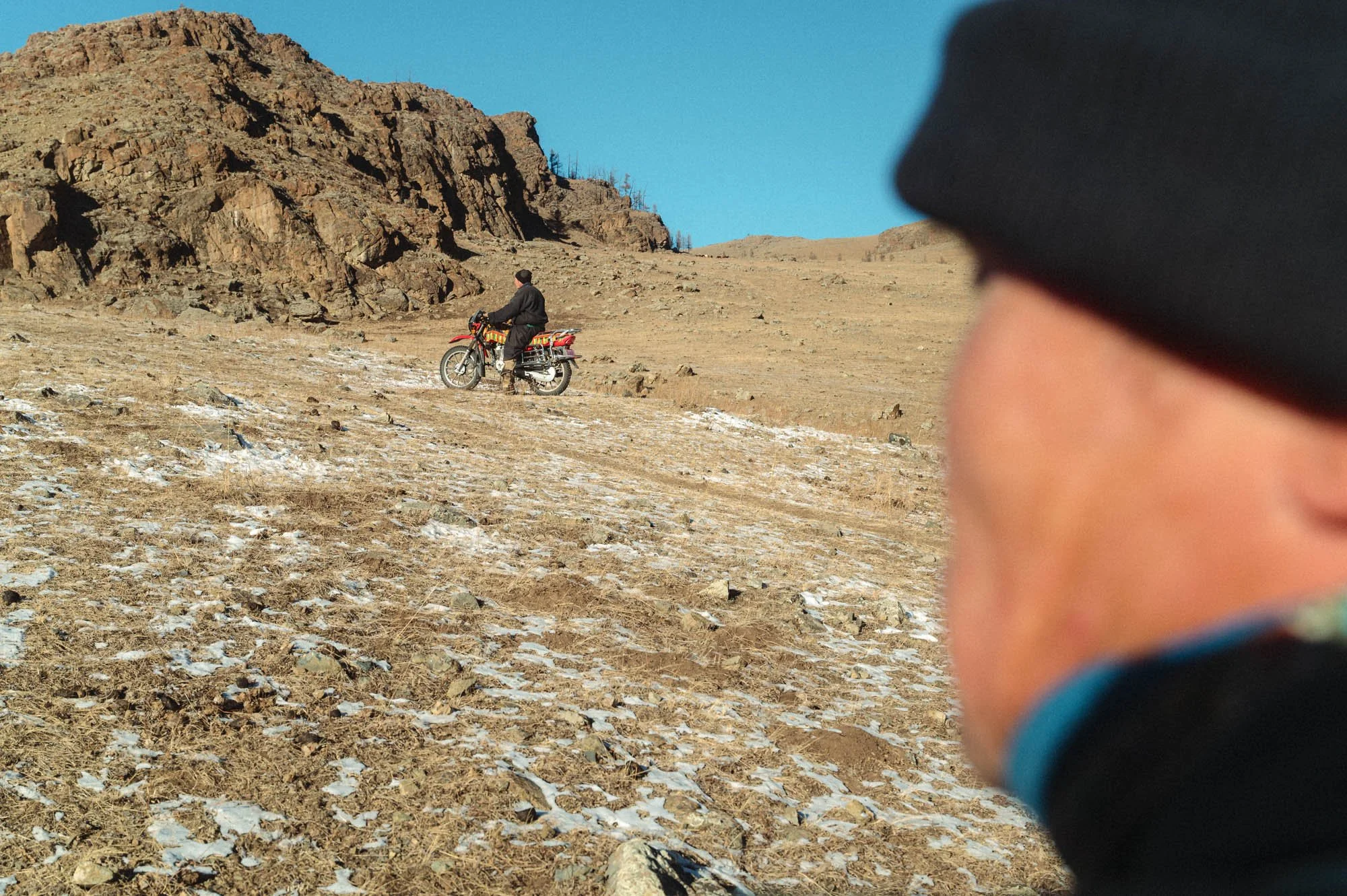
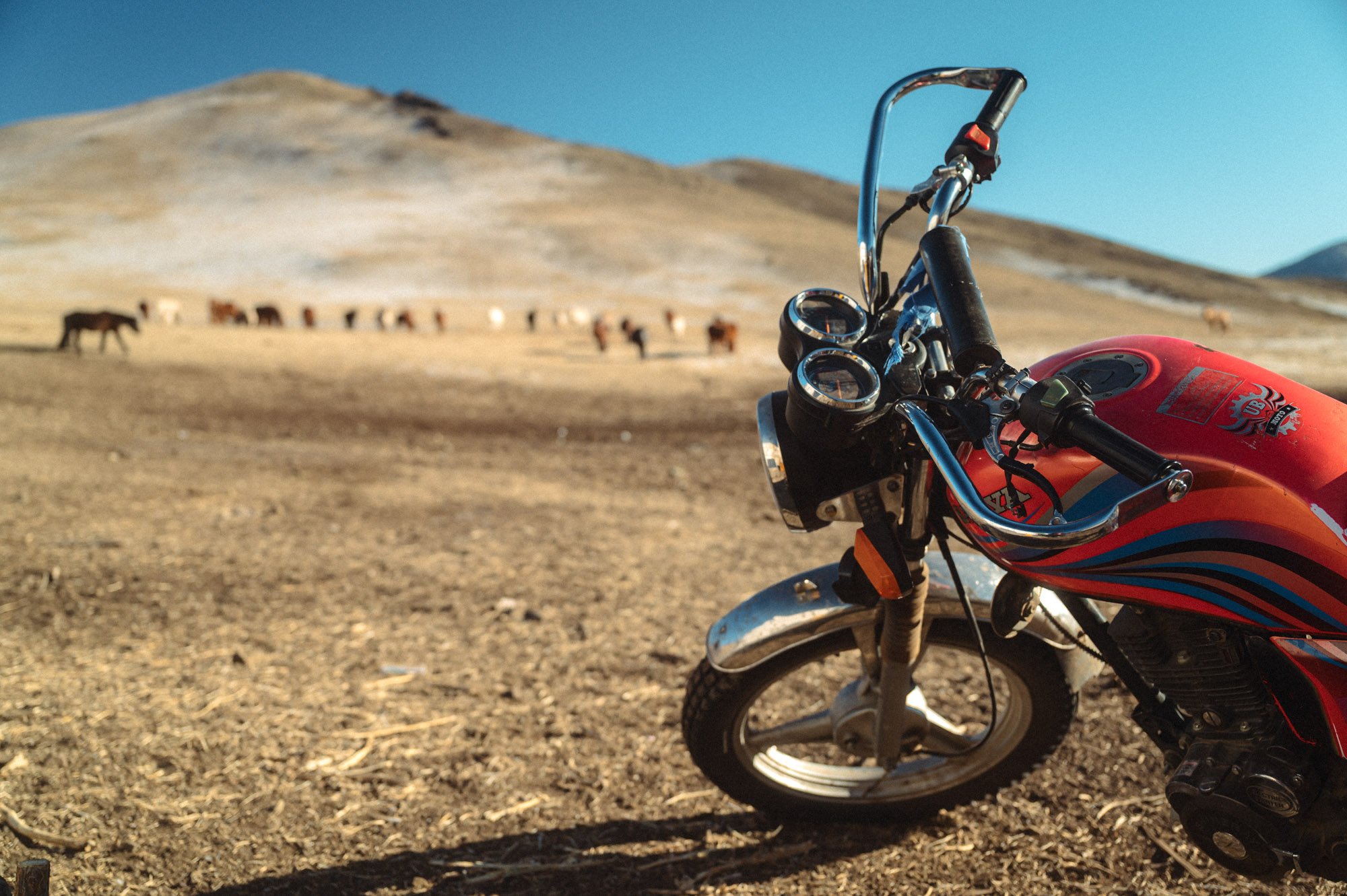
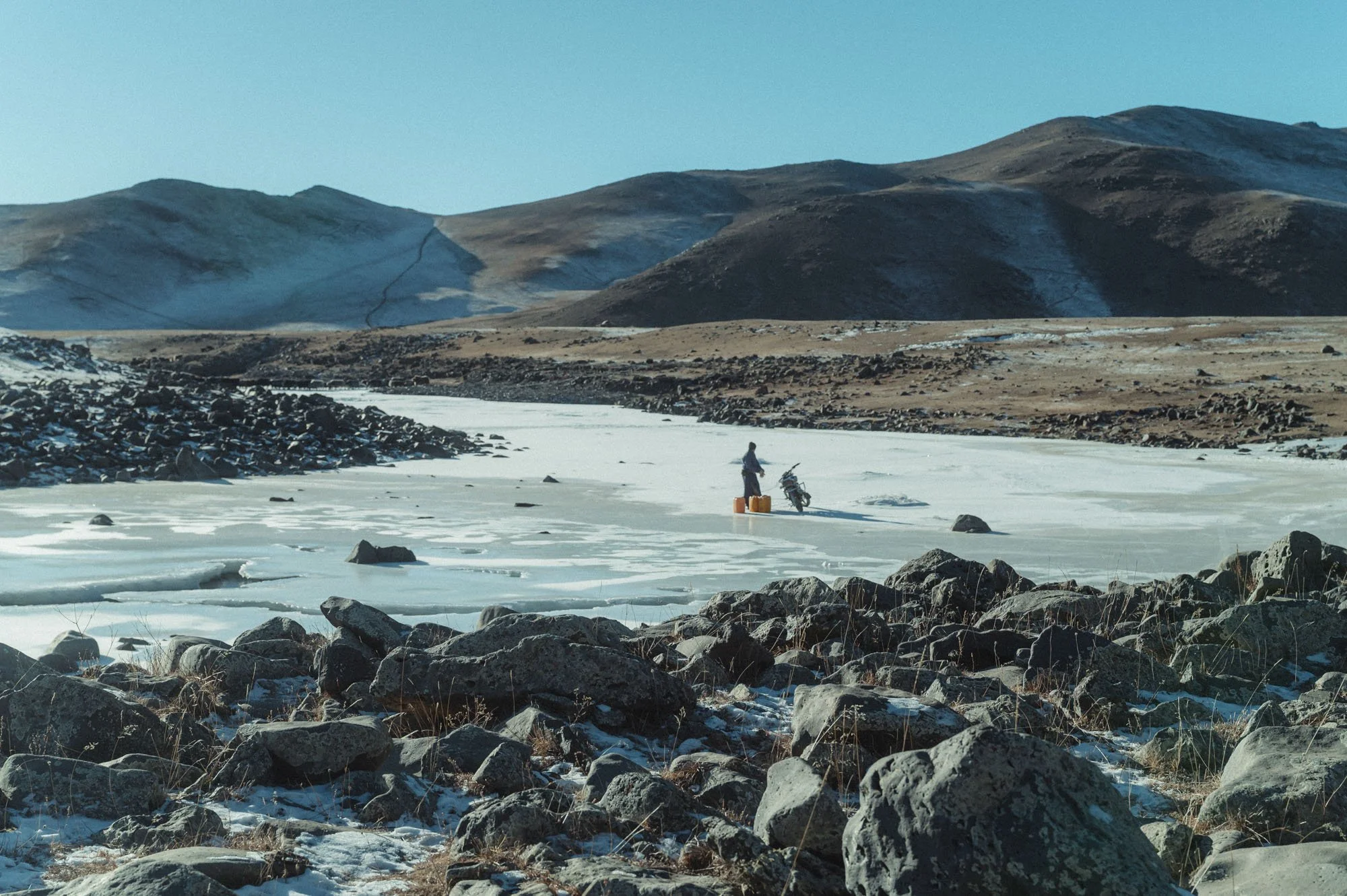
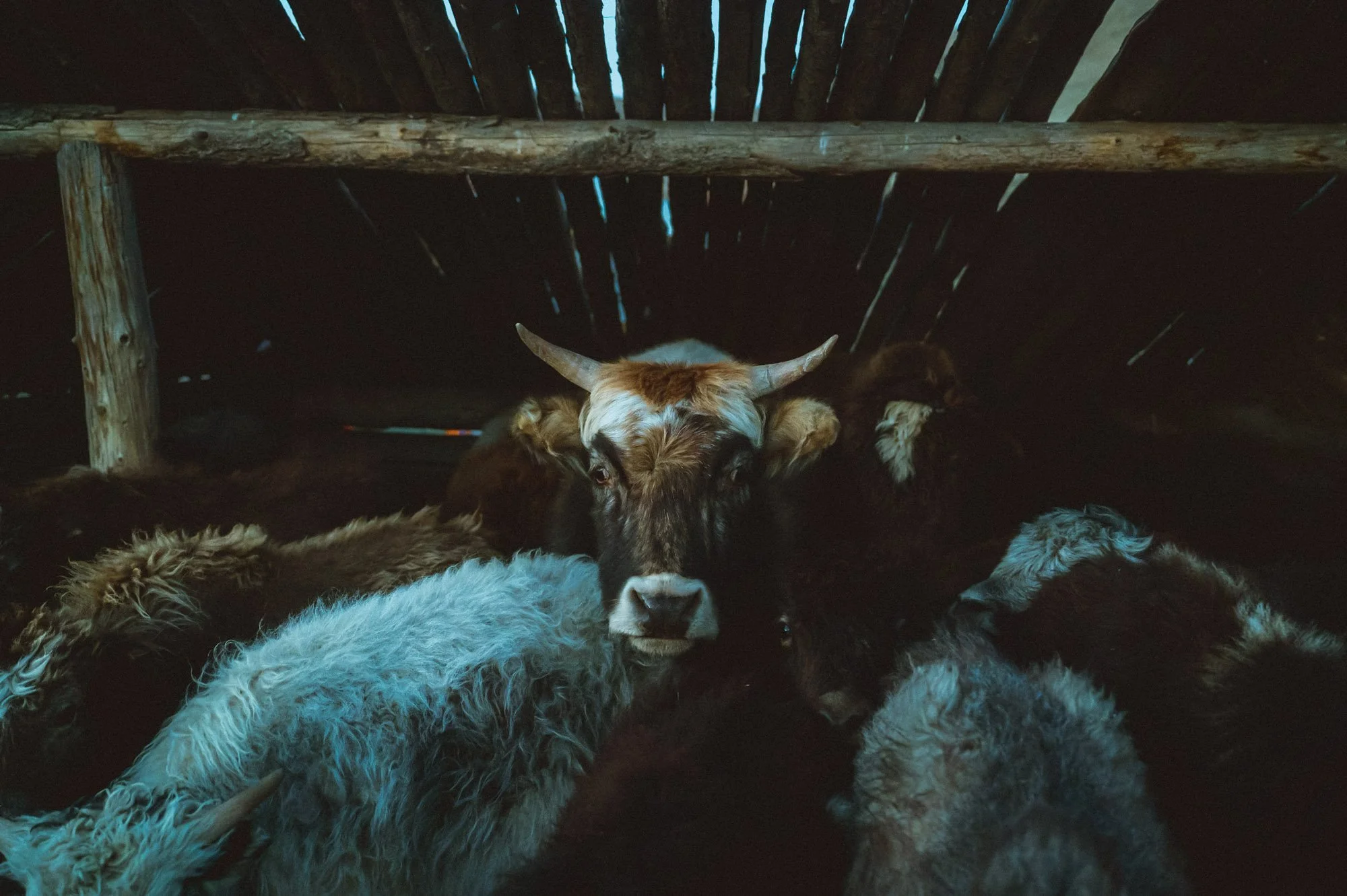
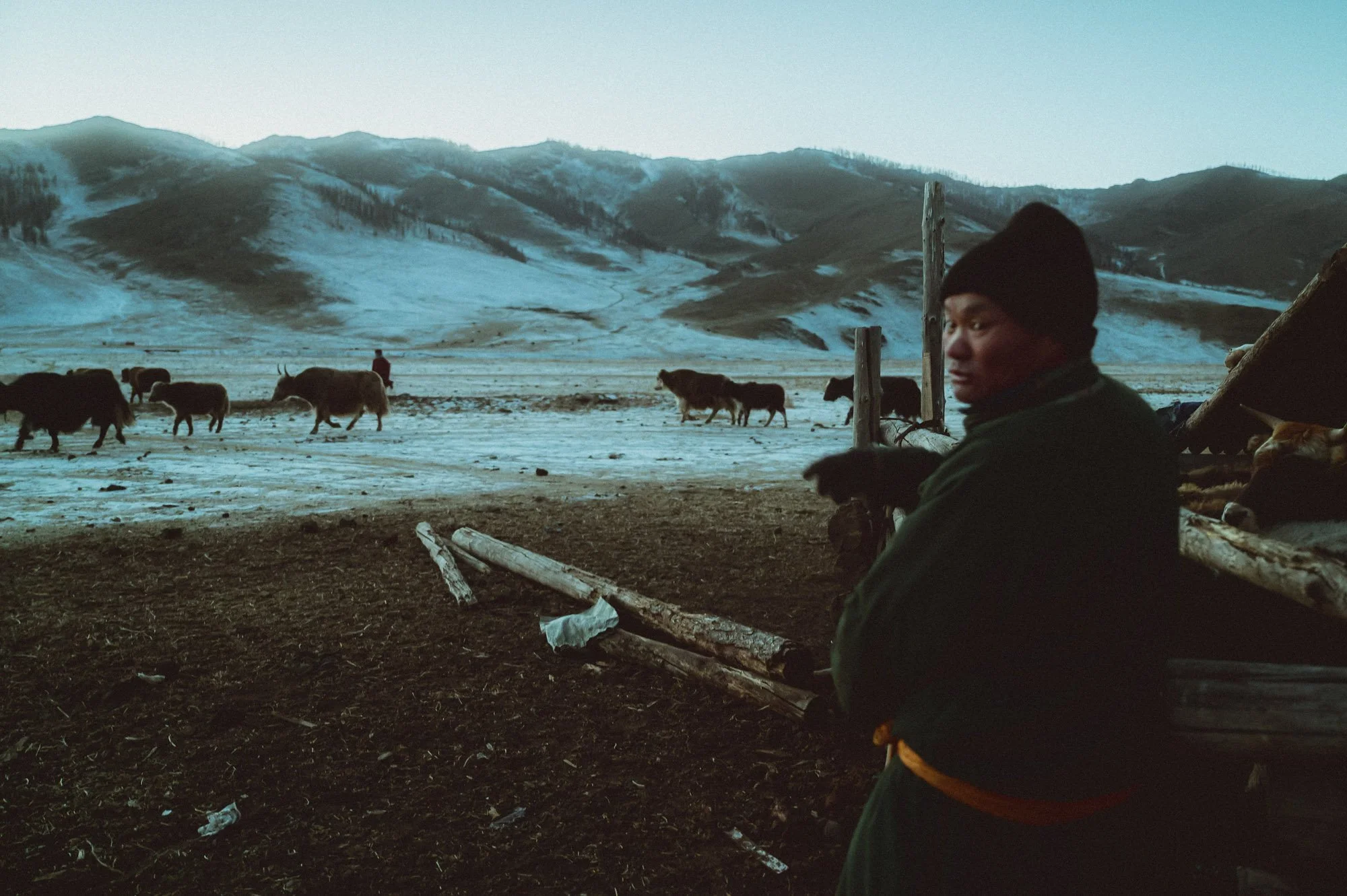
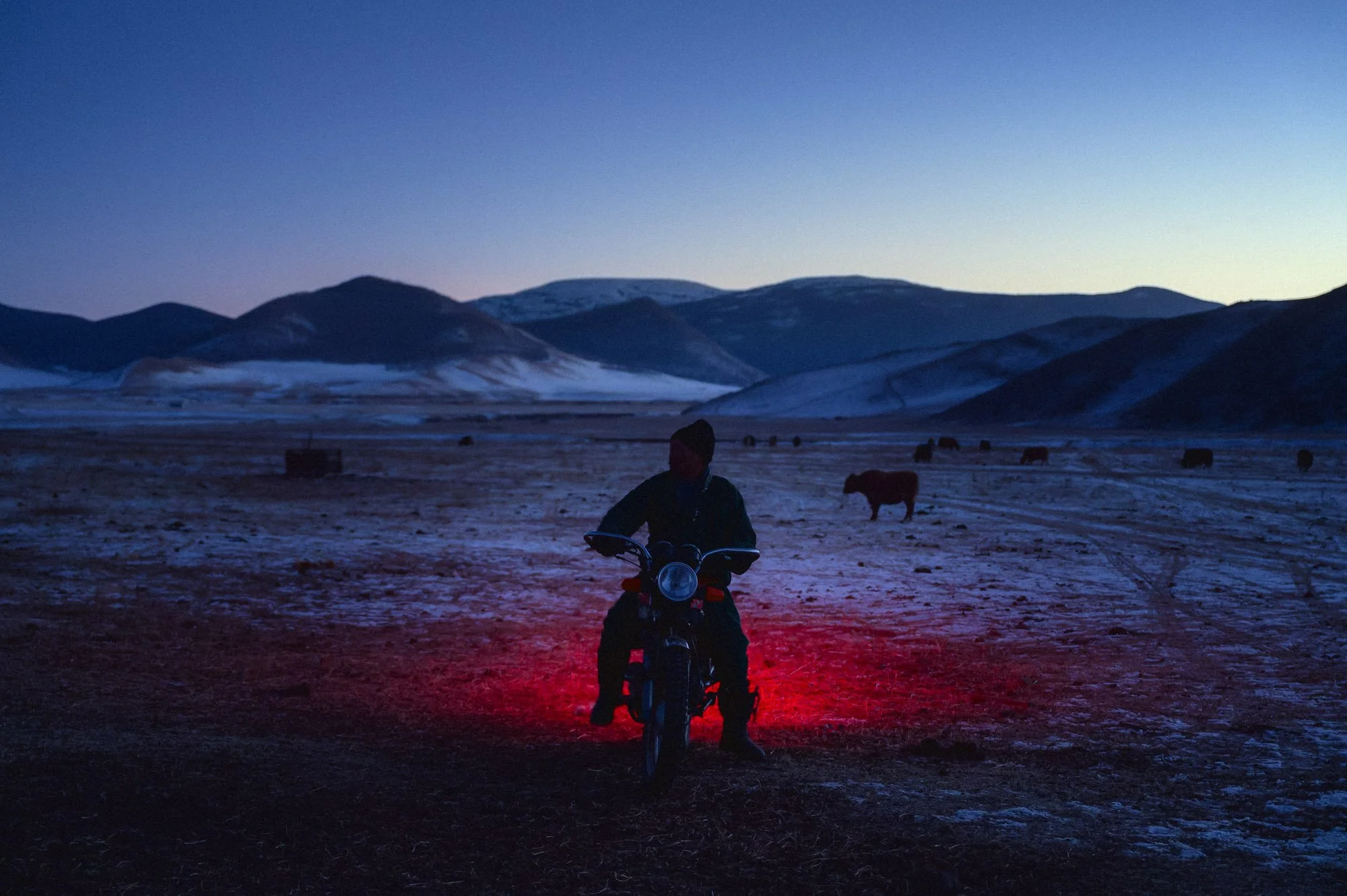
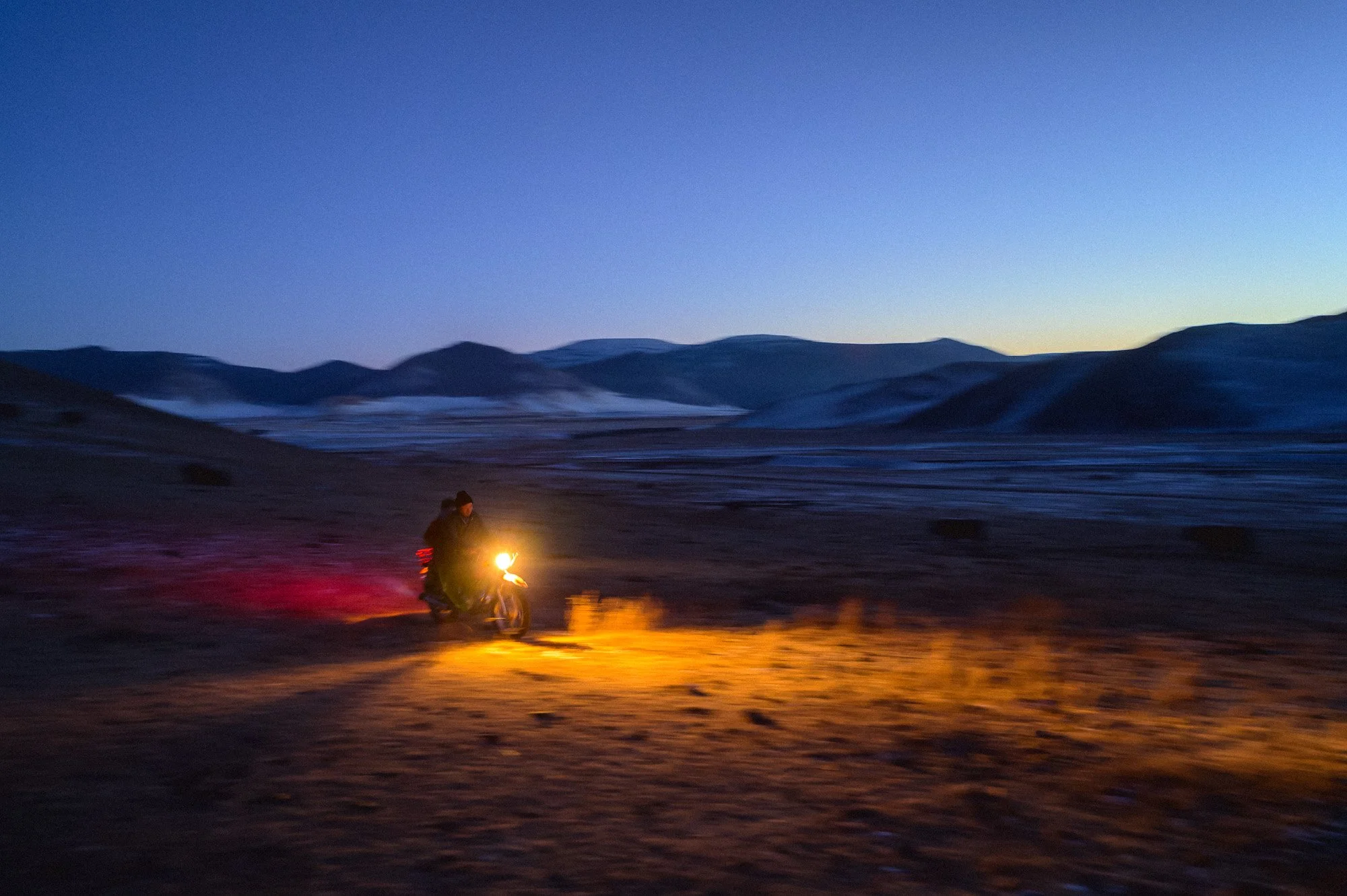
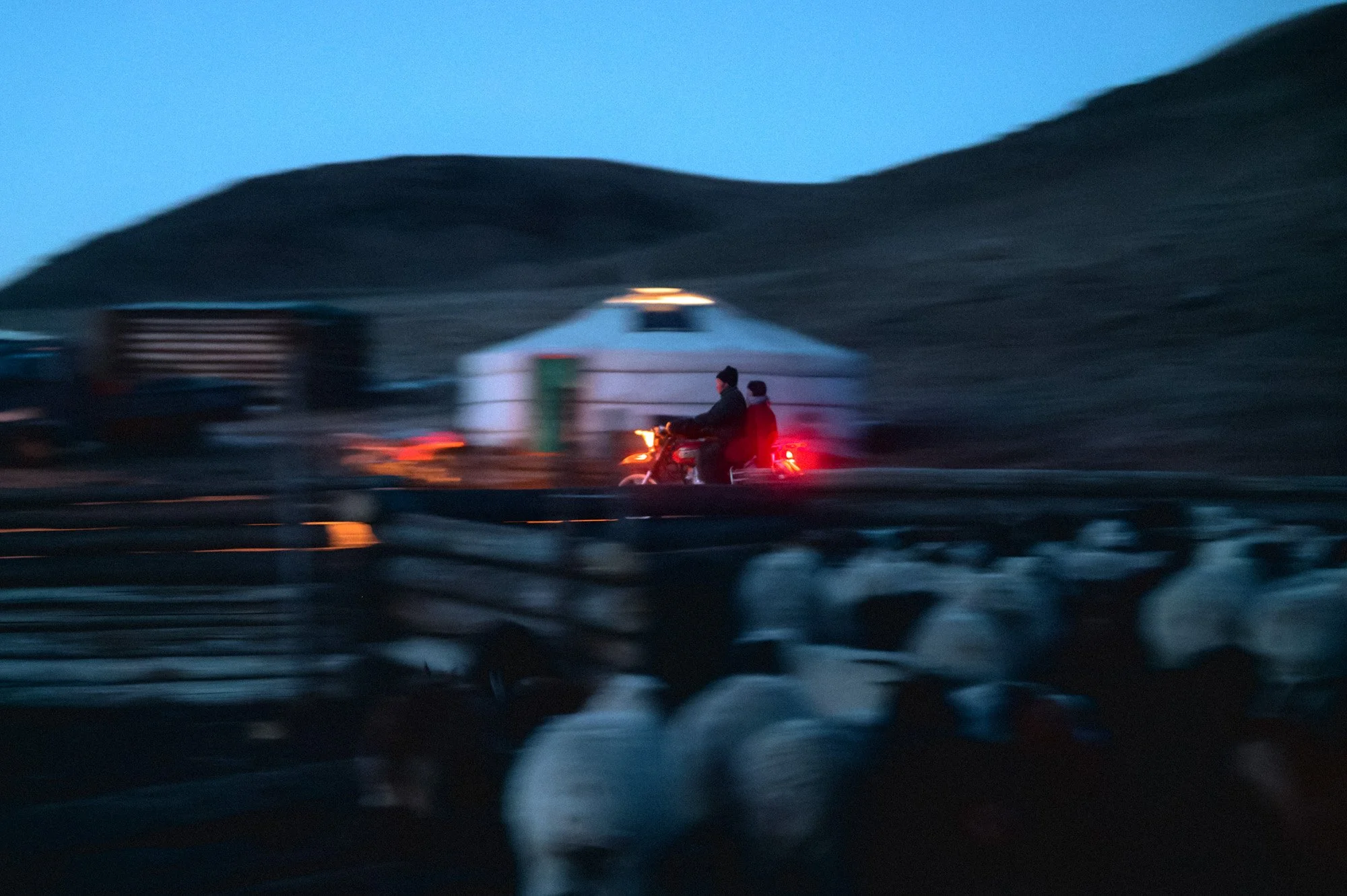
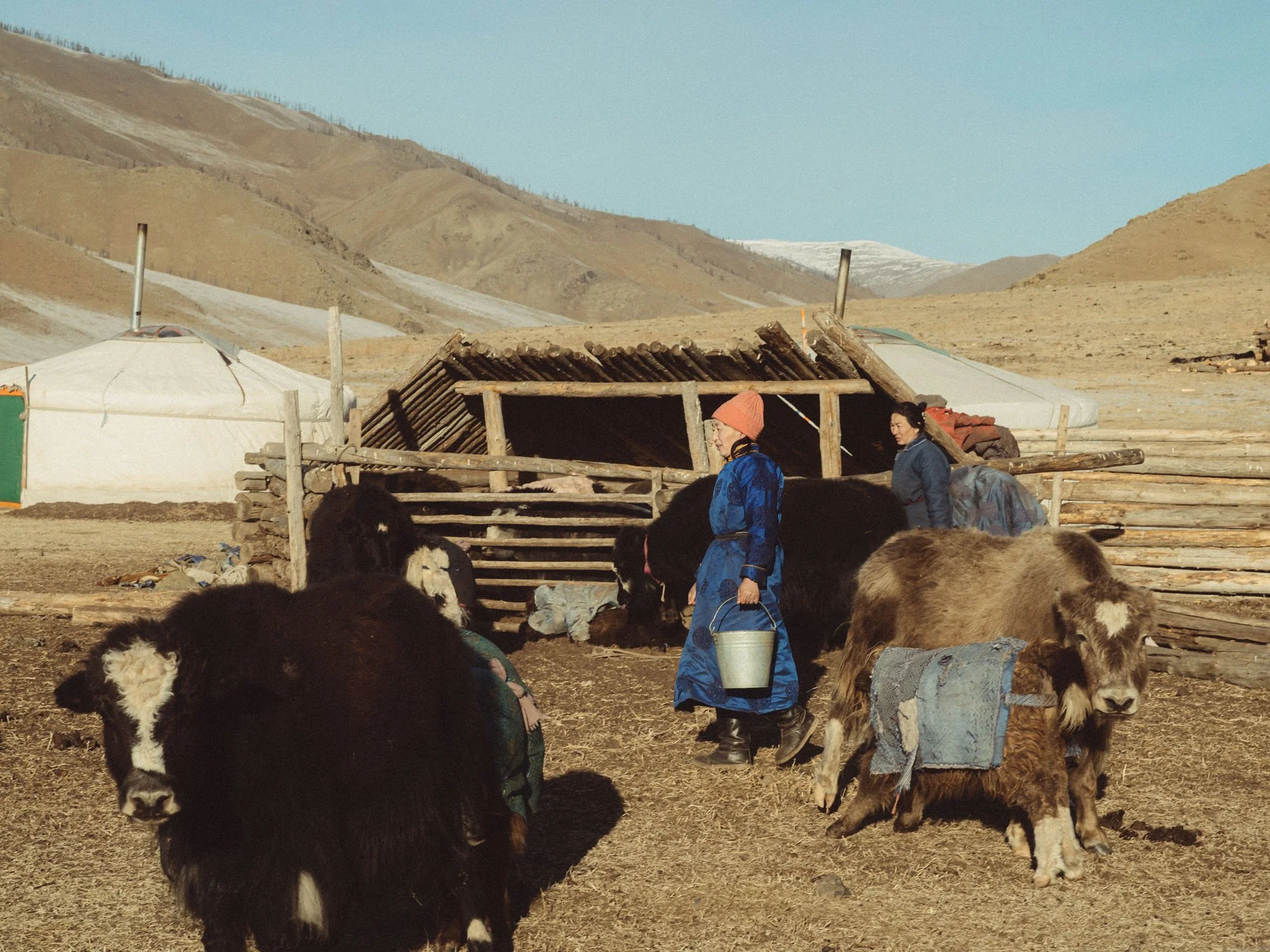
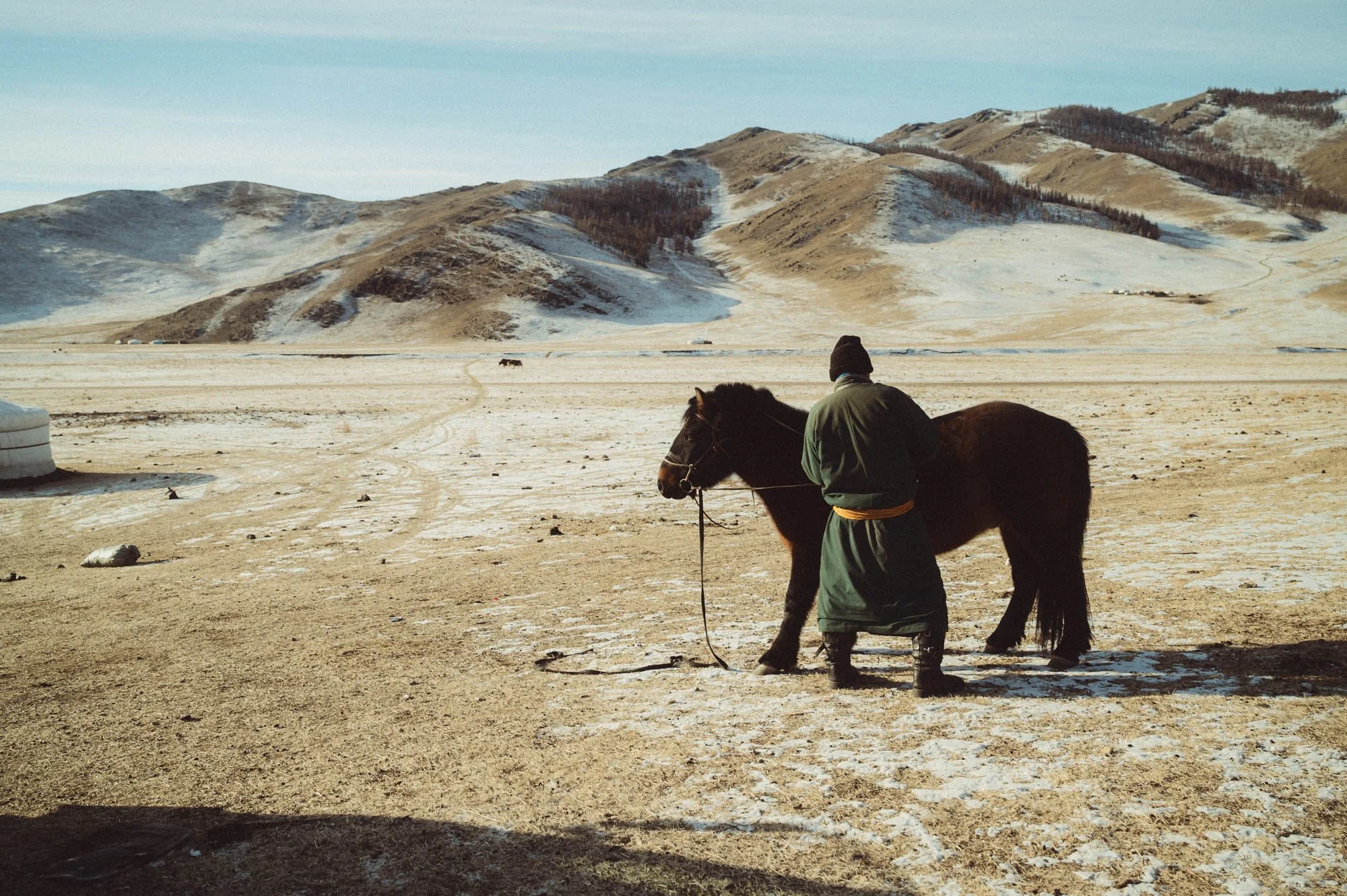
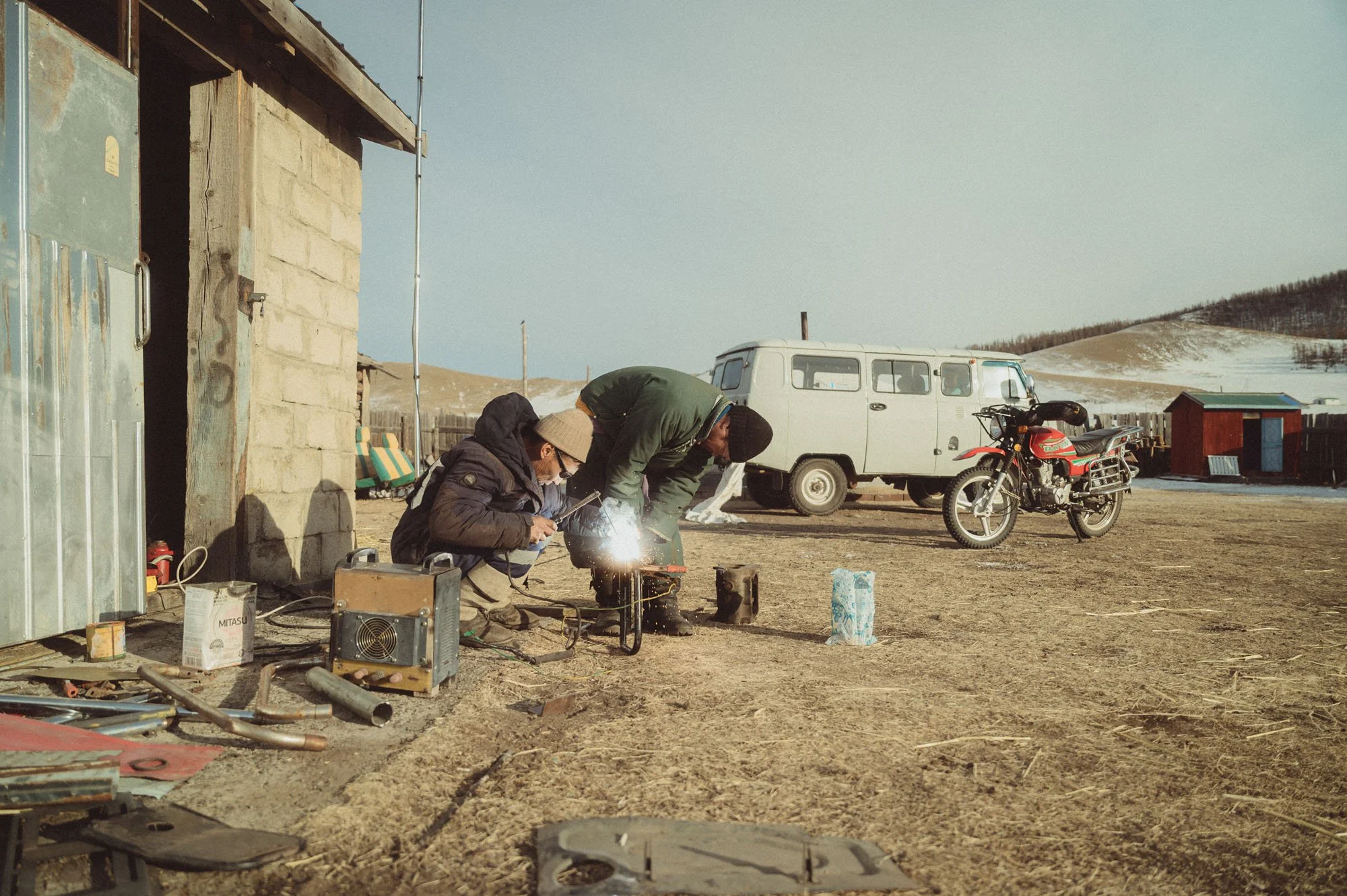
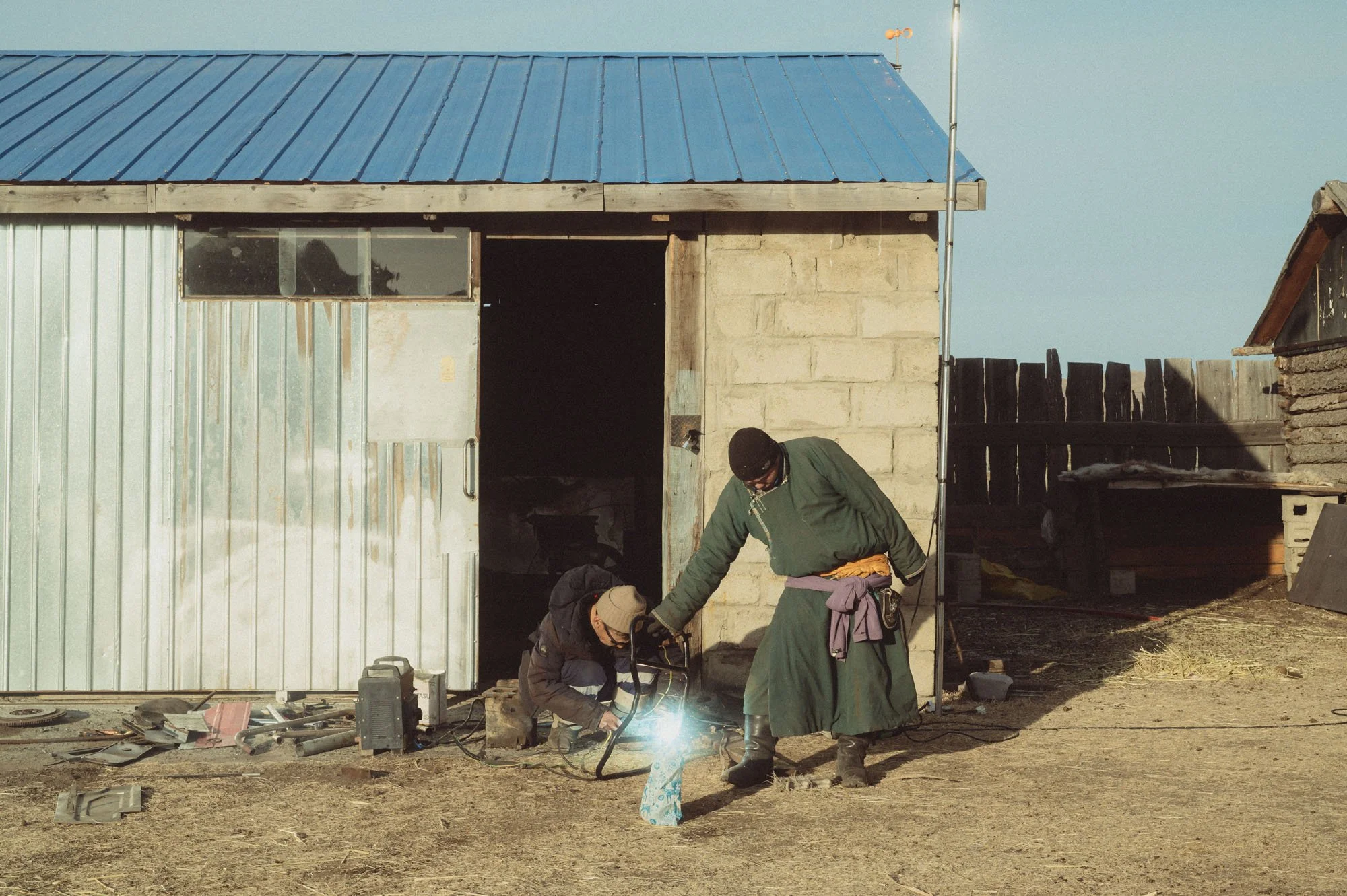
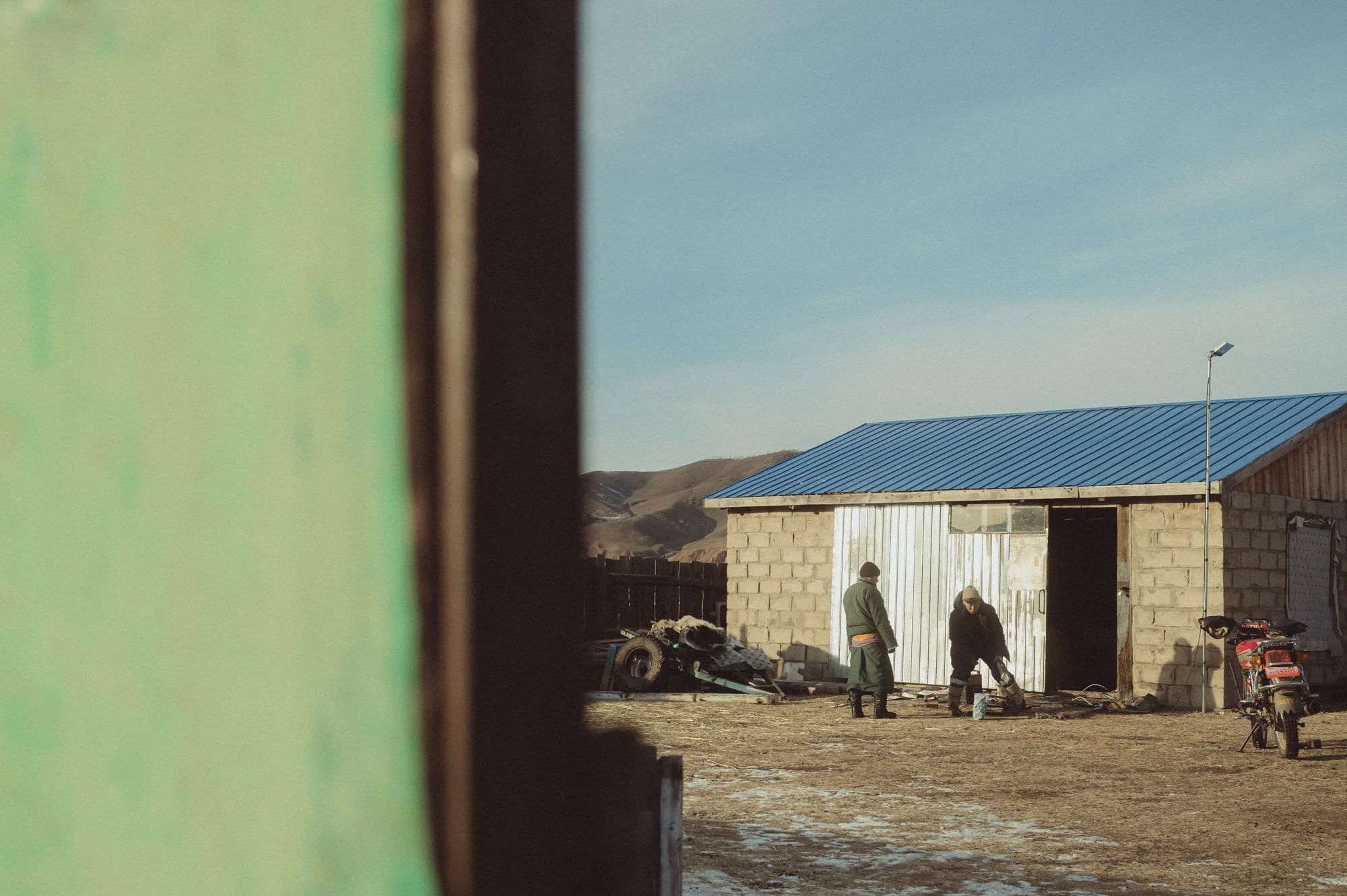
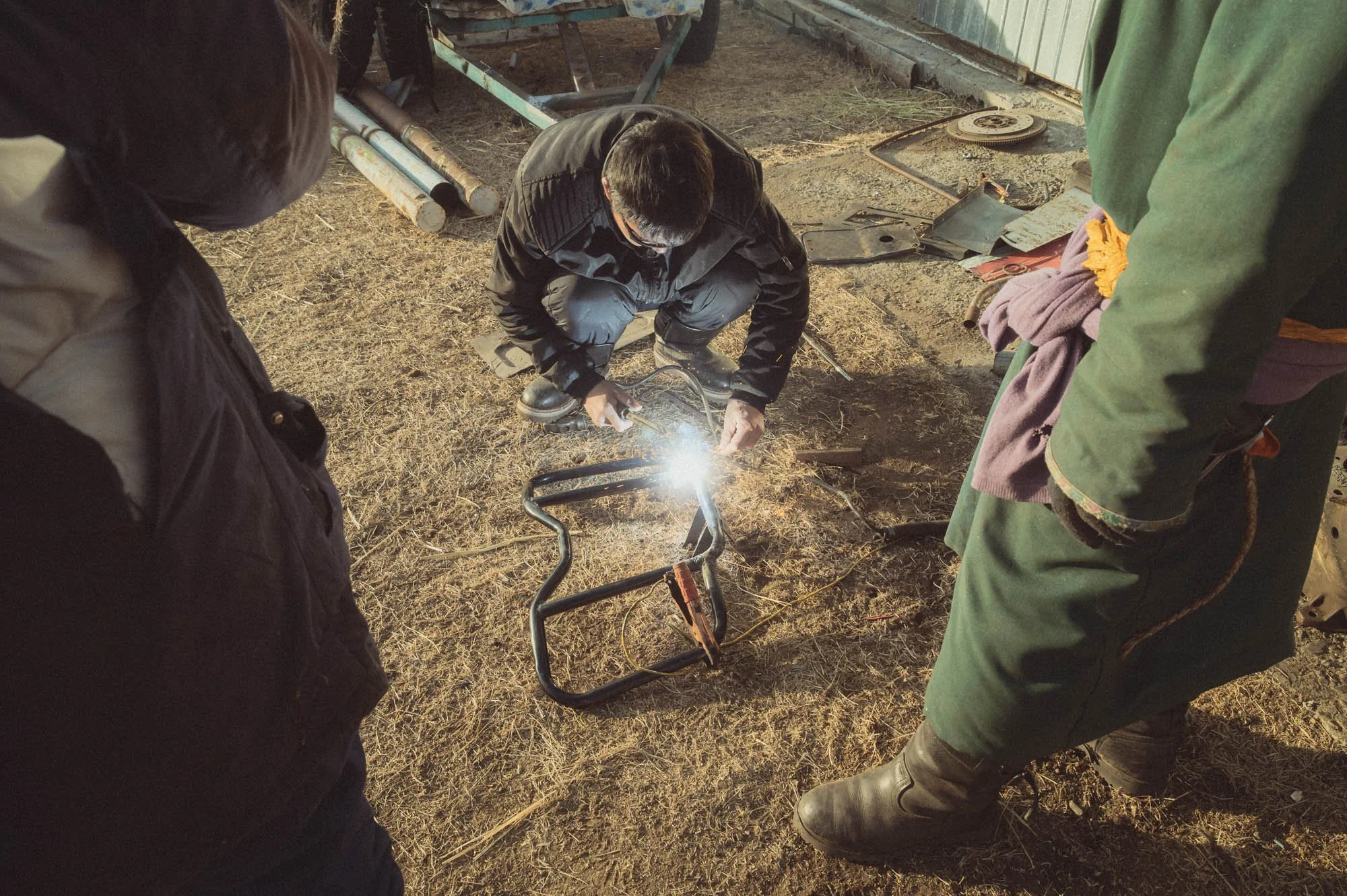
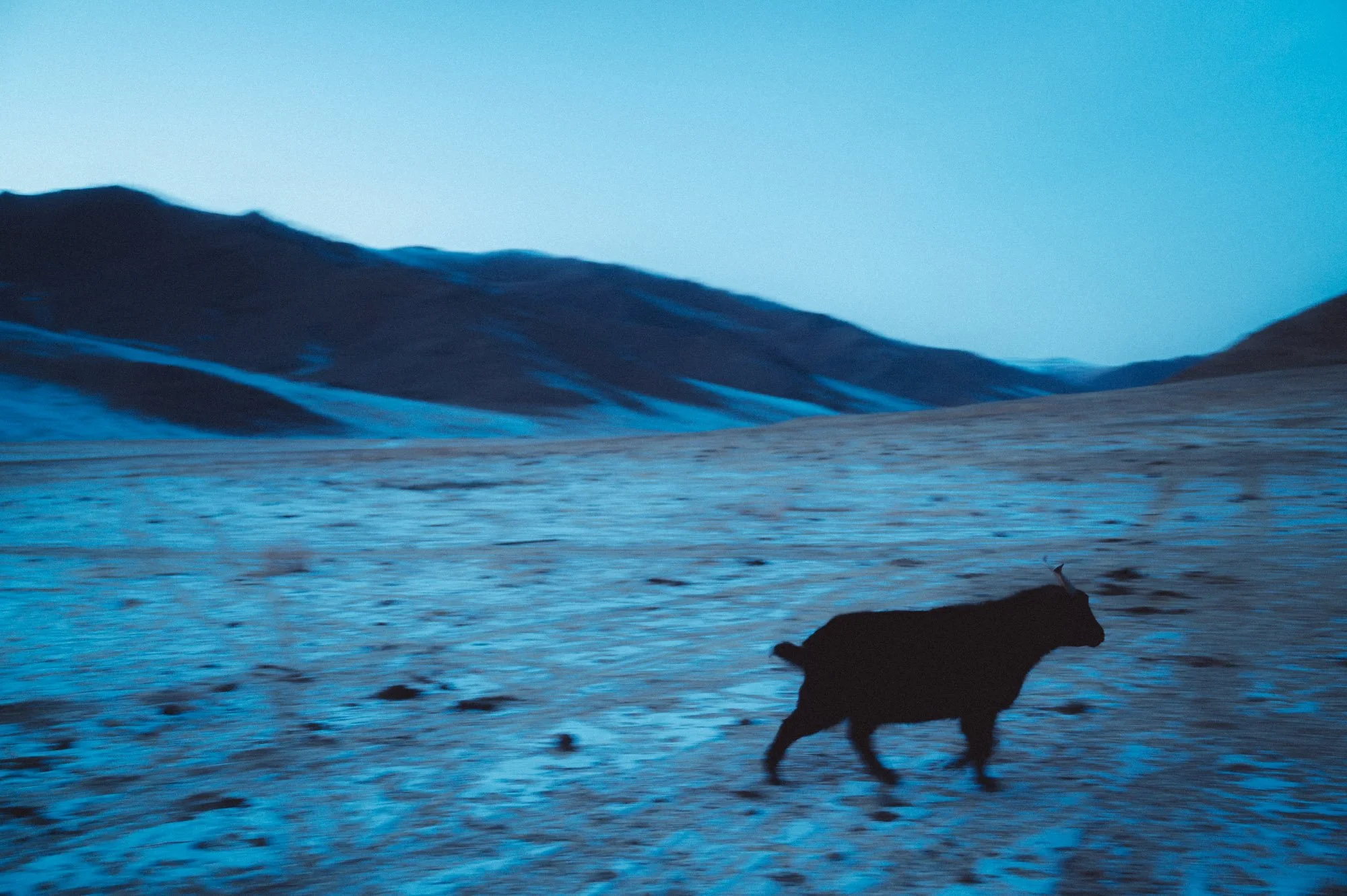
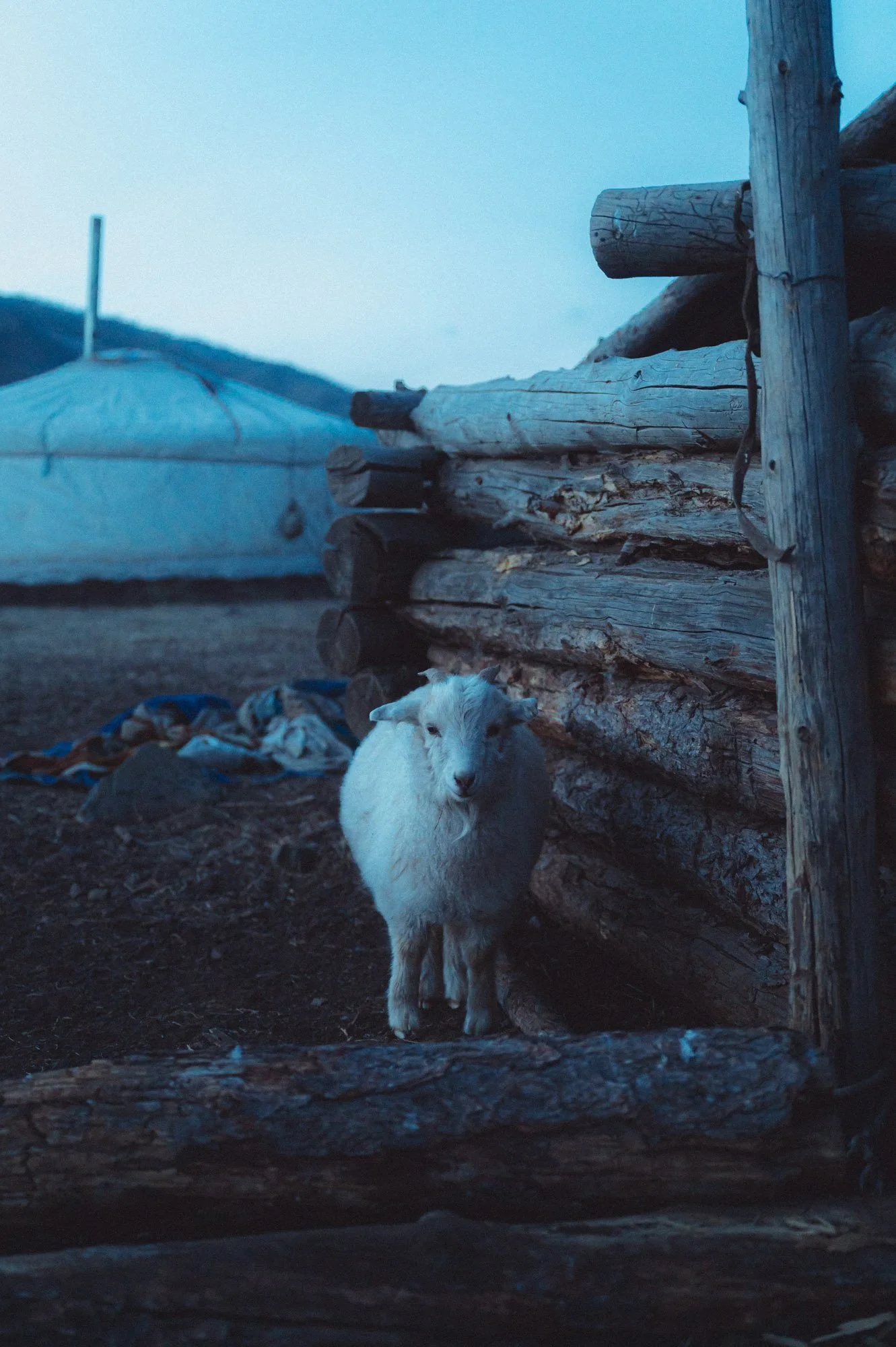
For them, the nomads, it’s way easier. Of course, they are used to it. Most of the time, the wife stays home and takes care of the amenities, cooks, keeps the fire alive, etc. The kids seemed pretty chill, and they were called by the mother or gathered if they needed help. I saw him playing soccer outside, taking a horse to move around, and…. Staying in the ger on his phone playing what it looks like PUBG (it's EVERYWHERE in Asia; it's crazy). Then the father, for what I've seen, is working during the whole day. Releasing the goats and baby yaks during the day, going far away to get the horse closer, taking some water from the river, etc. His motorcycle is his best friend; he does everything with it, even gathering animals to get them back home, dressing the baby ones for winter by catching them, and so on... I had the chance to help him with the horses and yaks, not something I would love to do all day, but experiencing it is unique, and I will remember it forever.
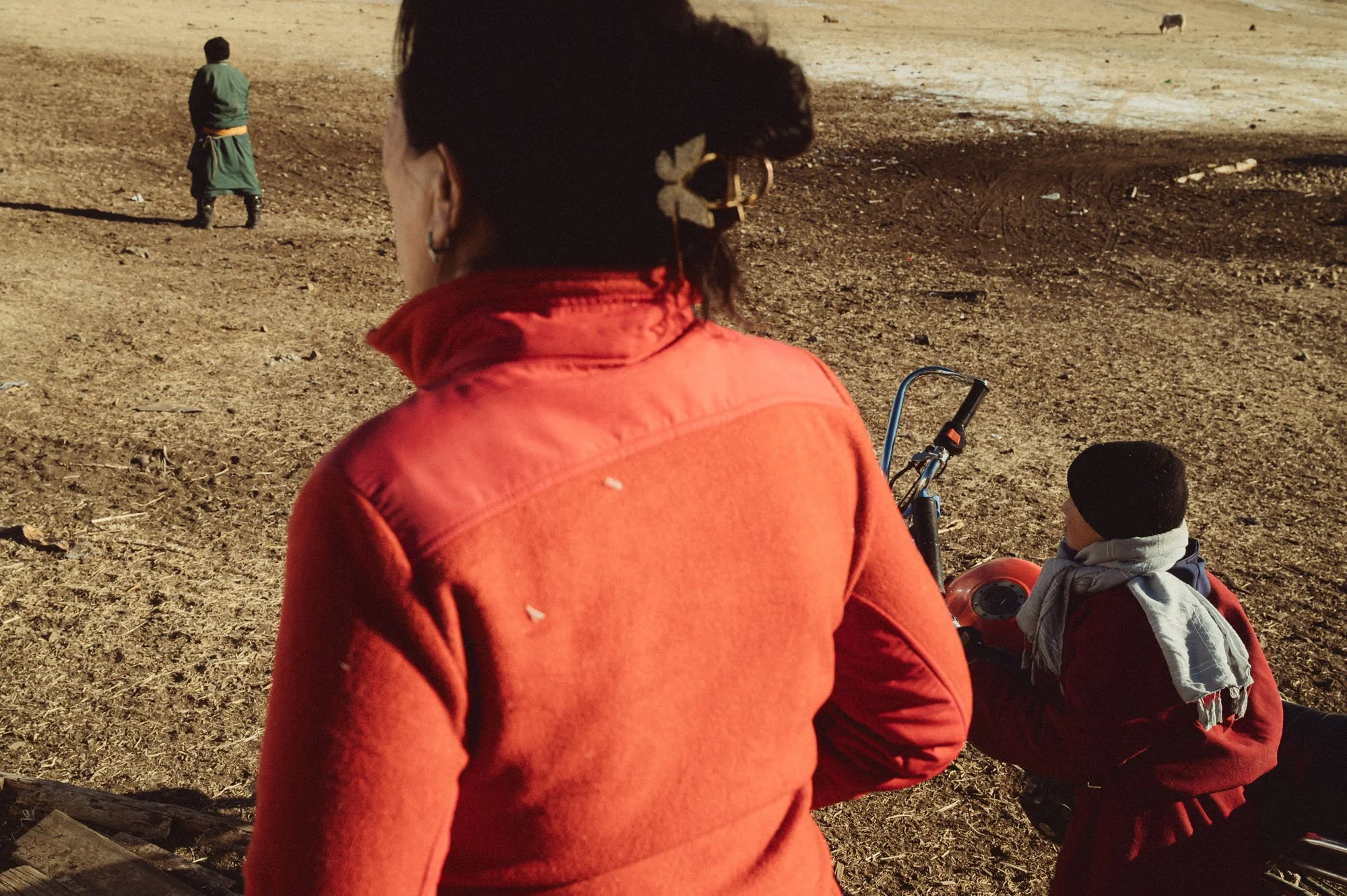
Photography at -25°C:
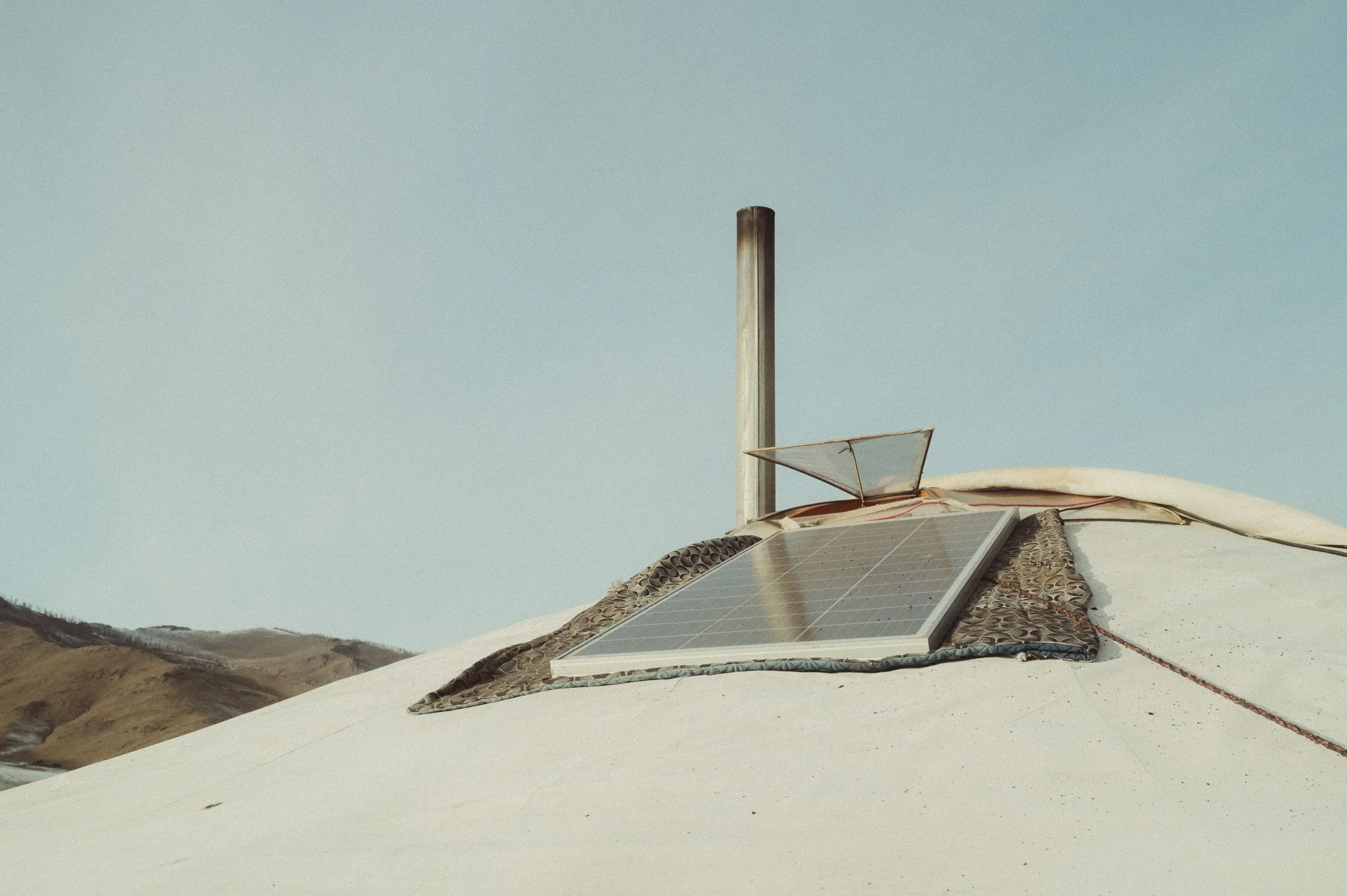
First of all, electricity, how to deal with it in the middle of nowhere? Of course, the Mongole also need it, and they all have solar panels. My family didn’t have a big battery system to recharge electronic devices, mostly for one or two phones. So we had to go every morning and evening to the neighbors (5 min away by motorcycle) to get my batteries. I left them with my power bank to be autonomous as much as possible.
Not easy, but as a photographer, the camera doesn’t drain much, and the batteries get a new life when you keep them under your coat for some time.
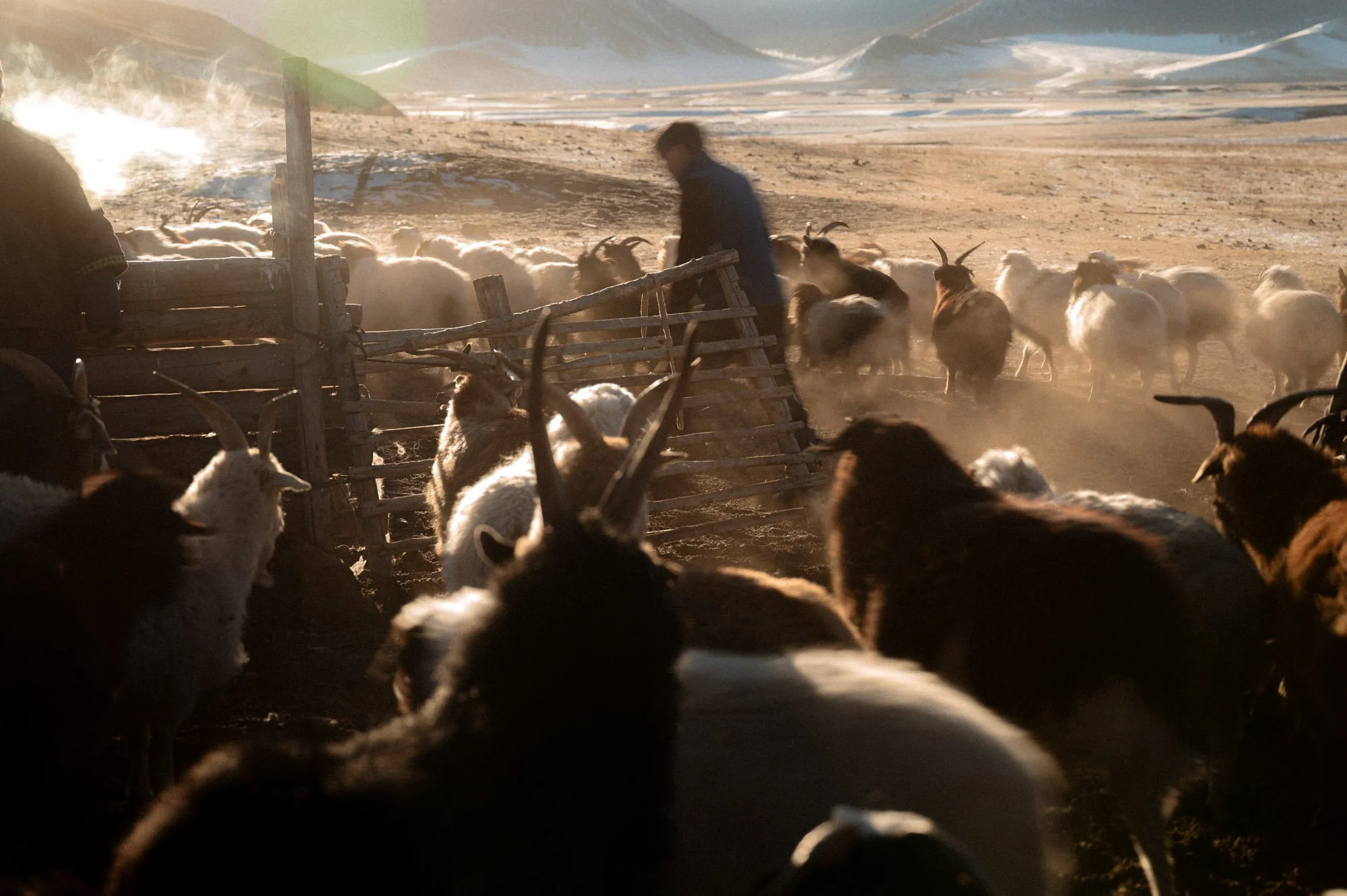
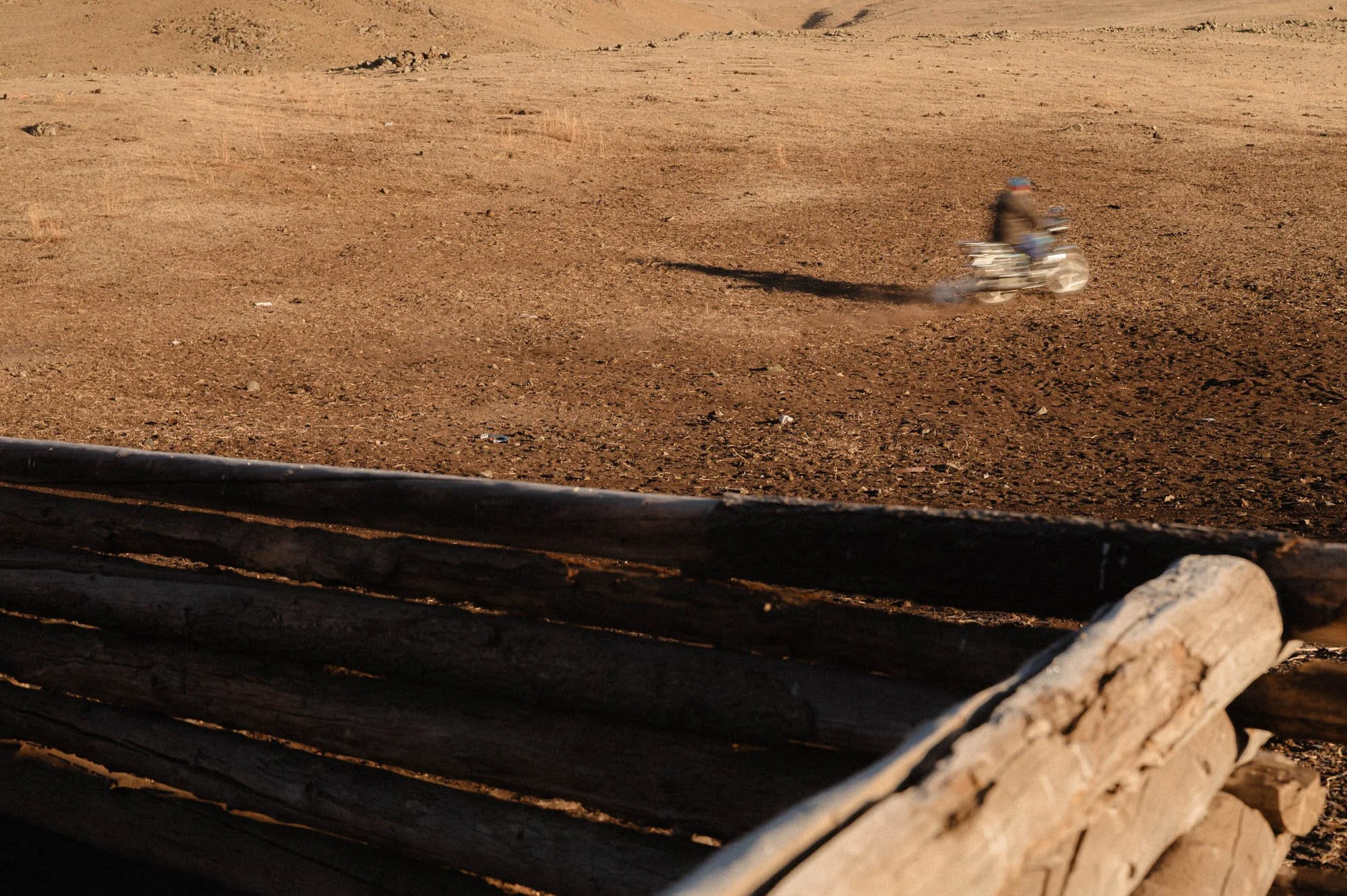
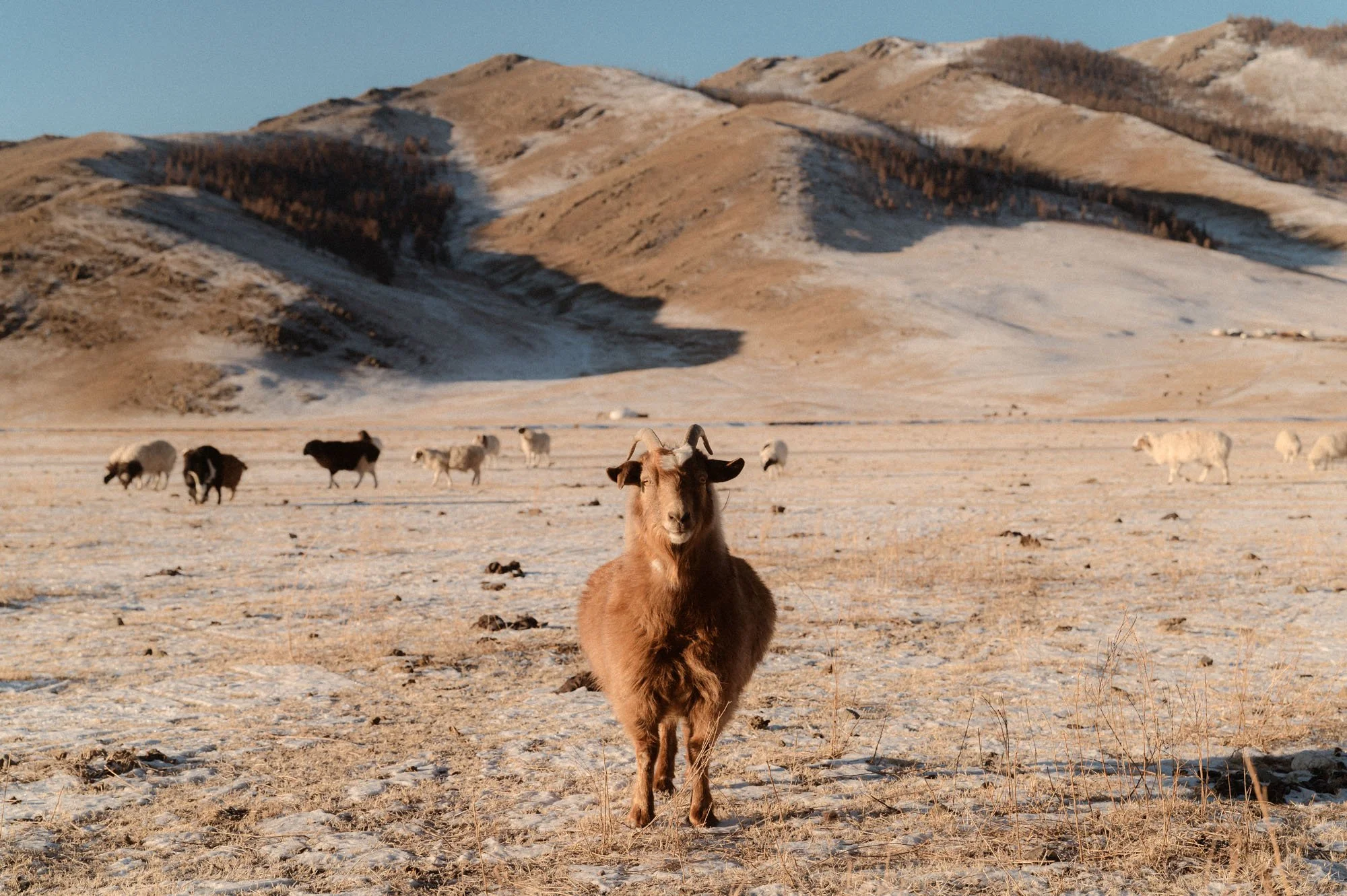
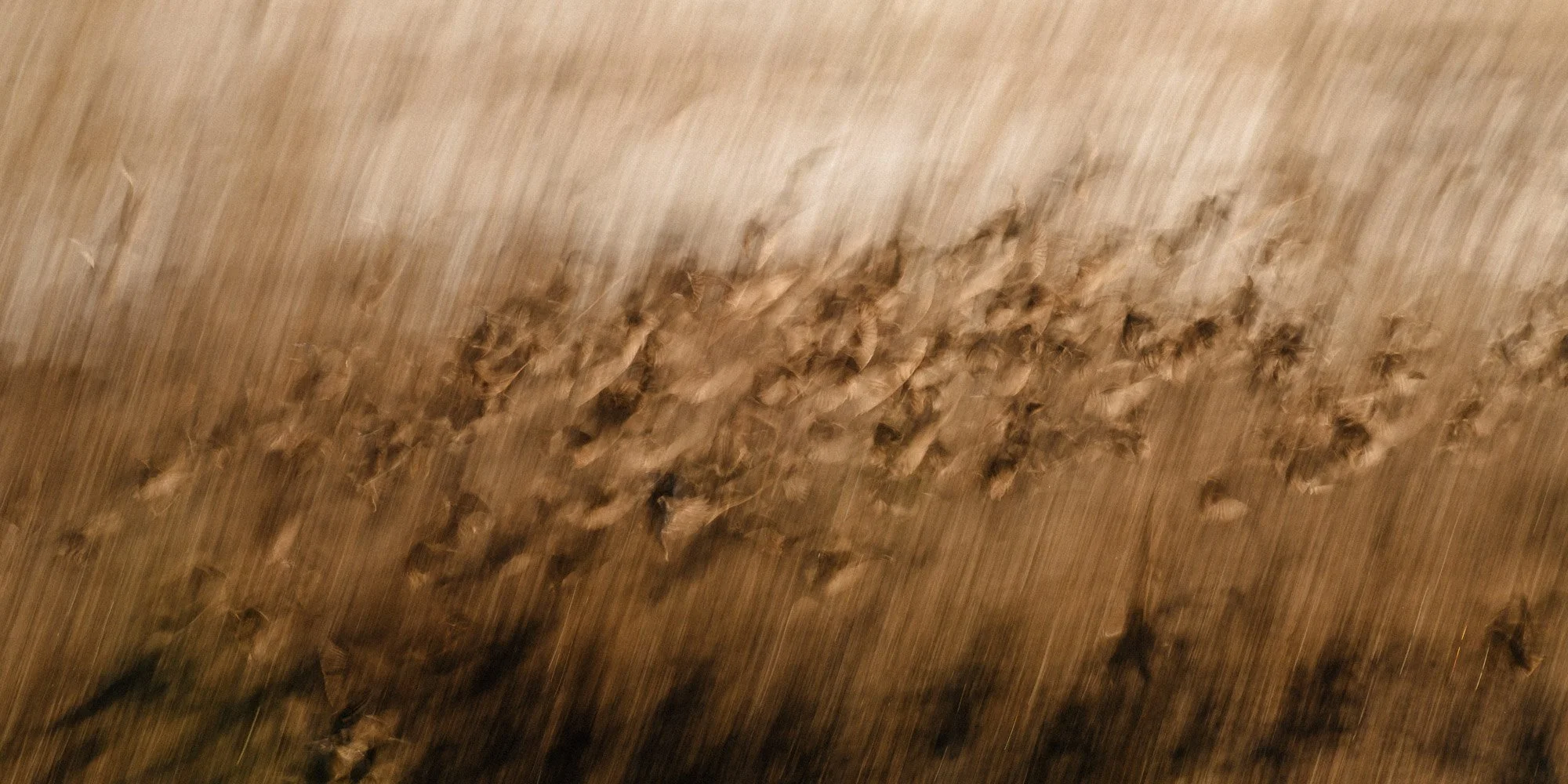
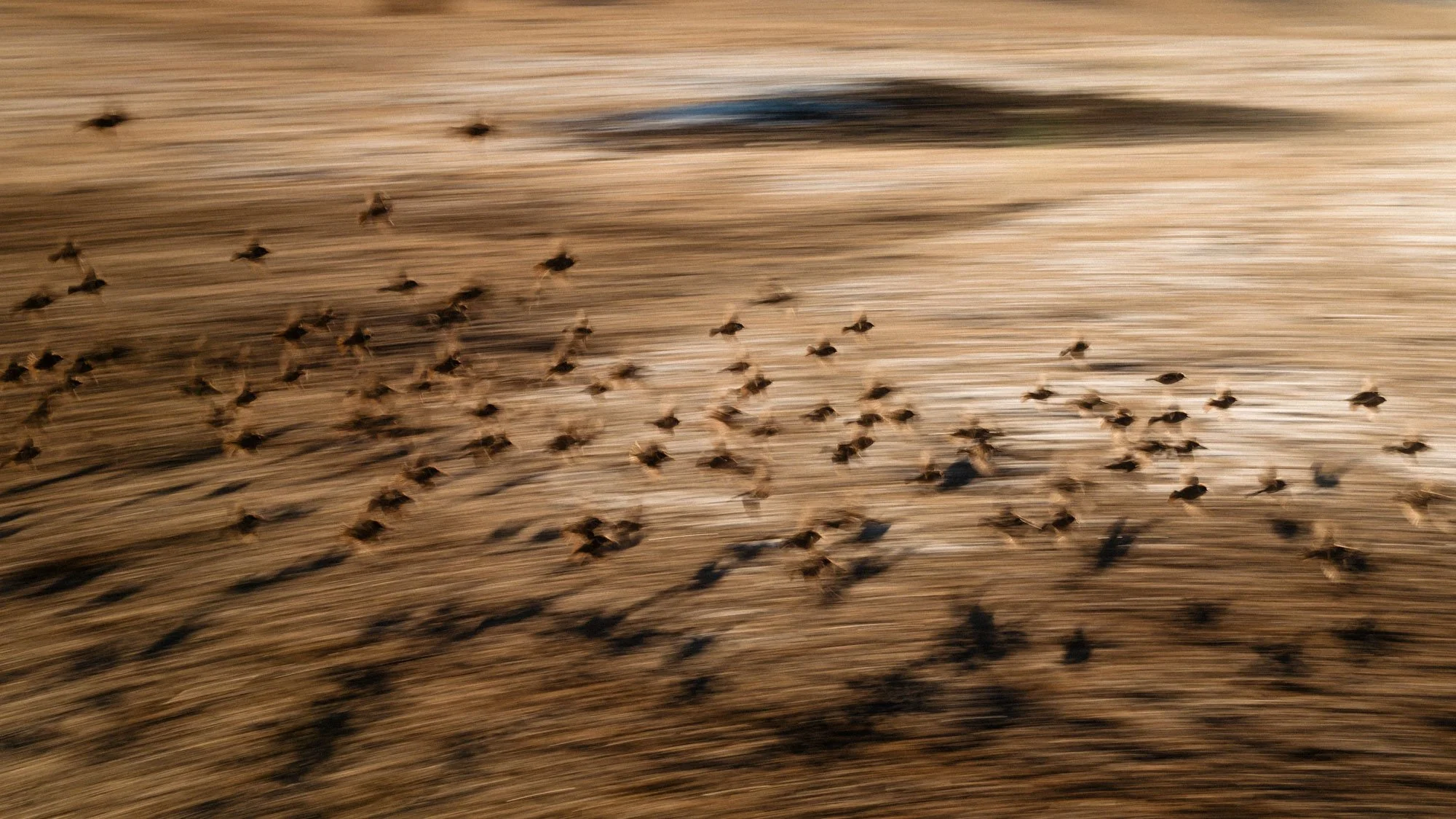
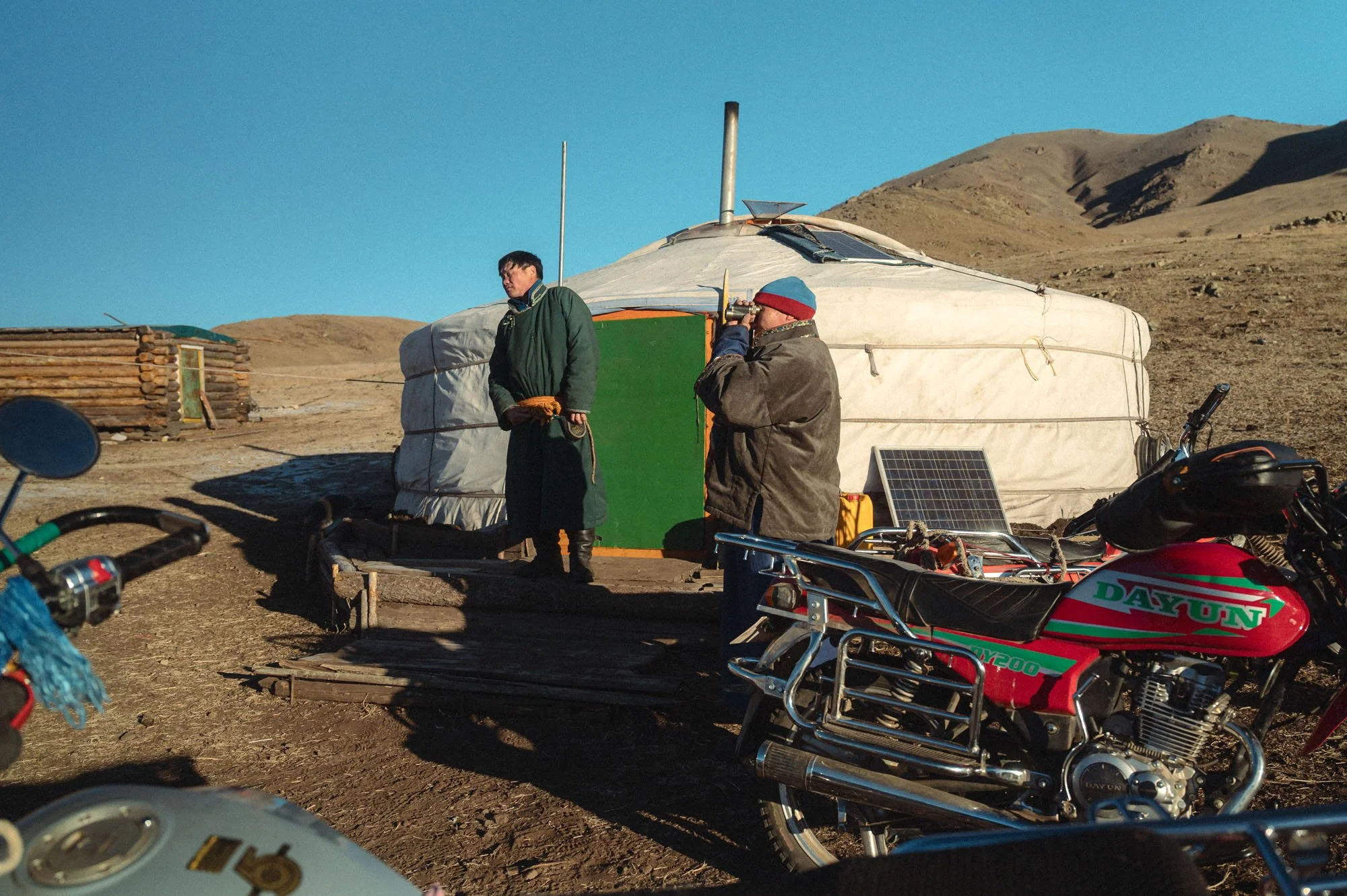
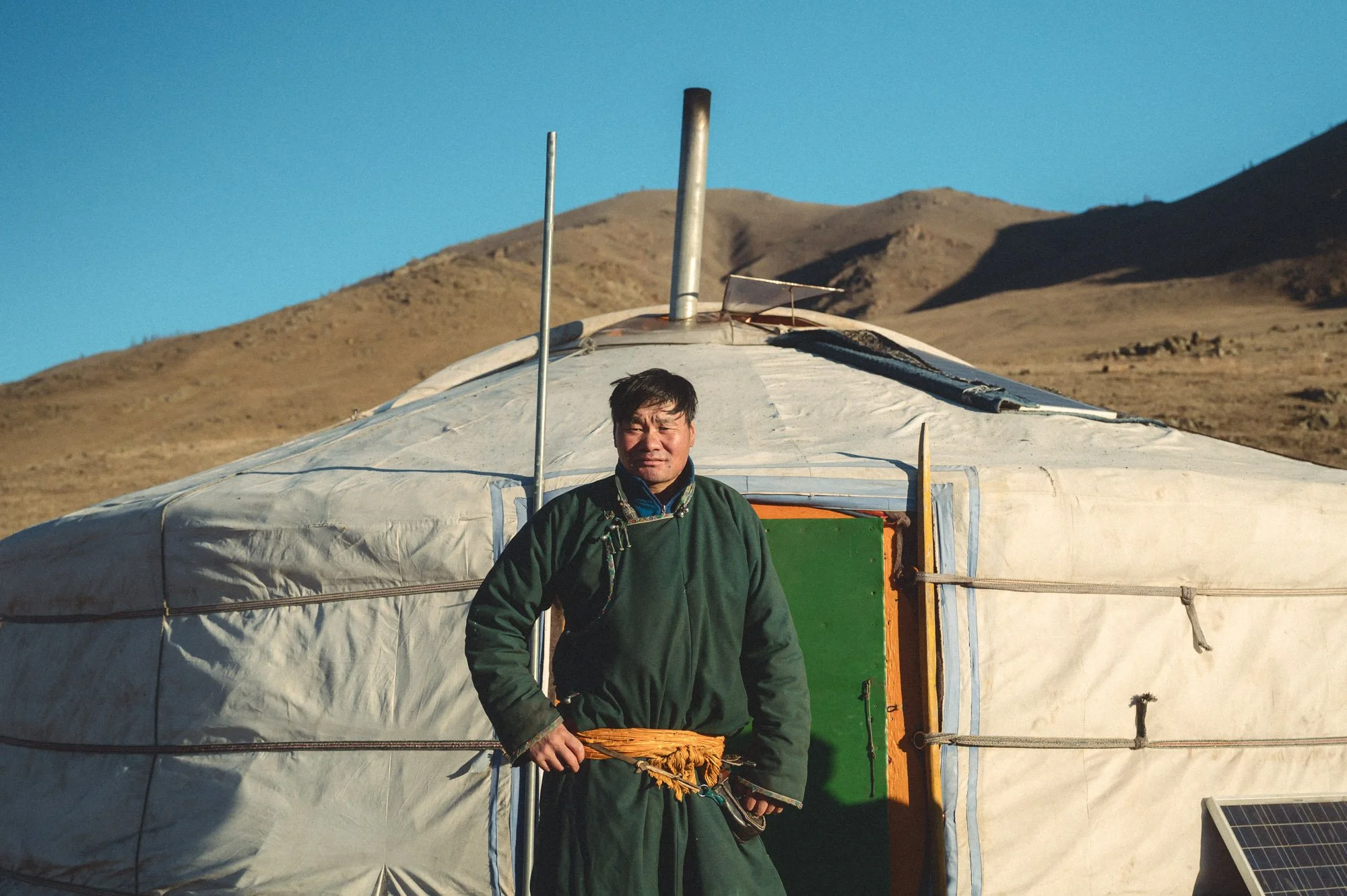
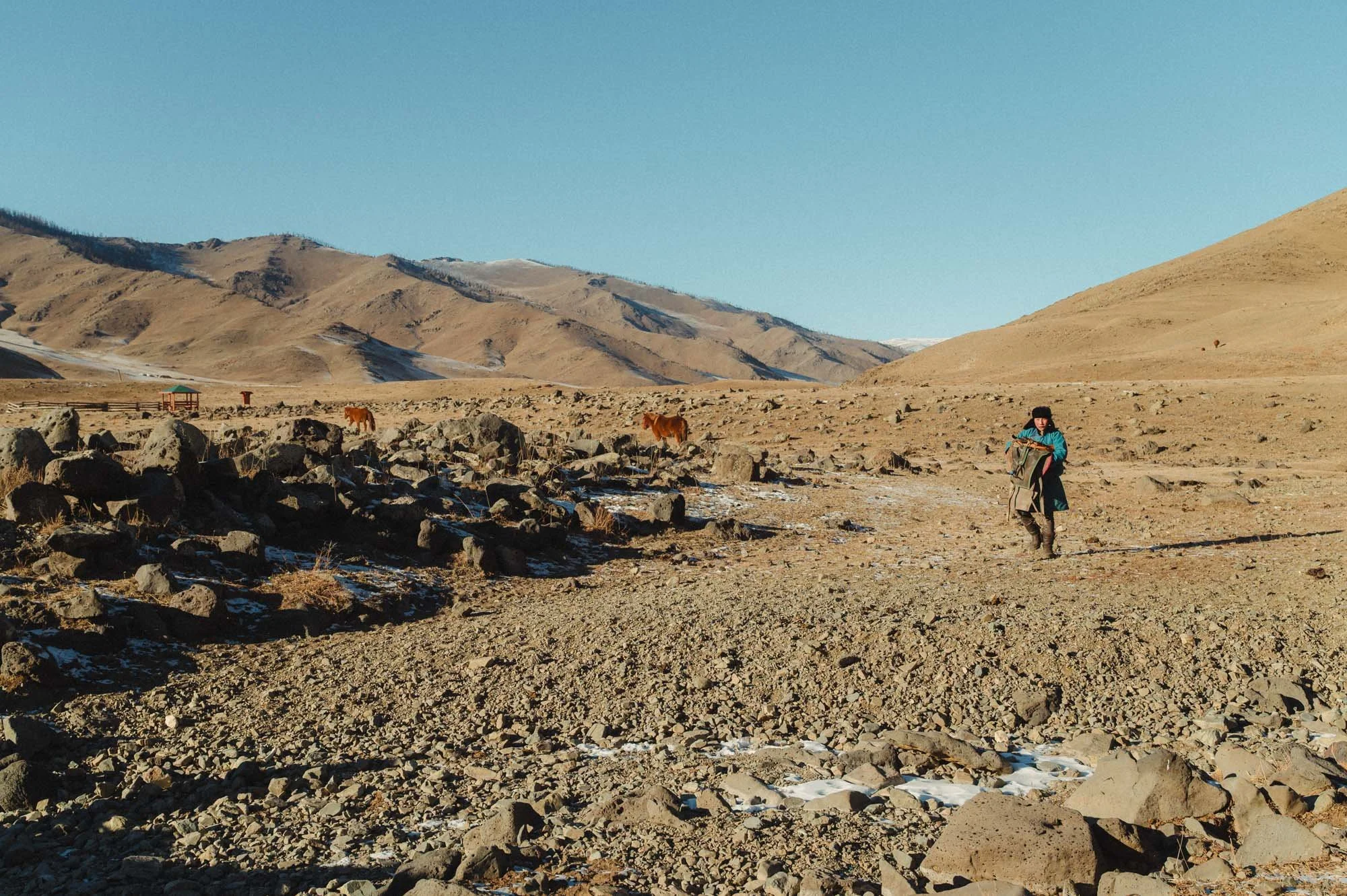
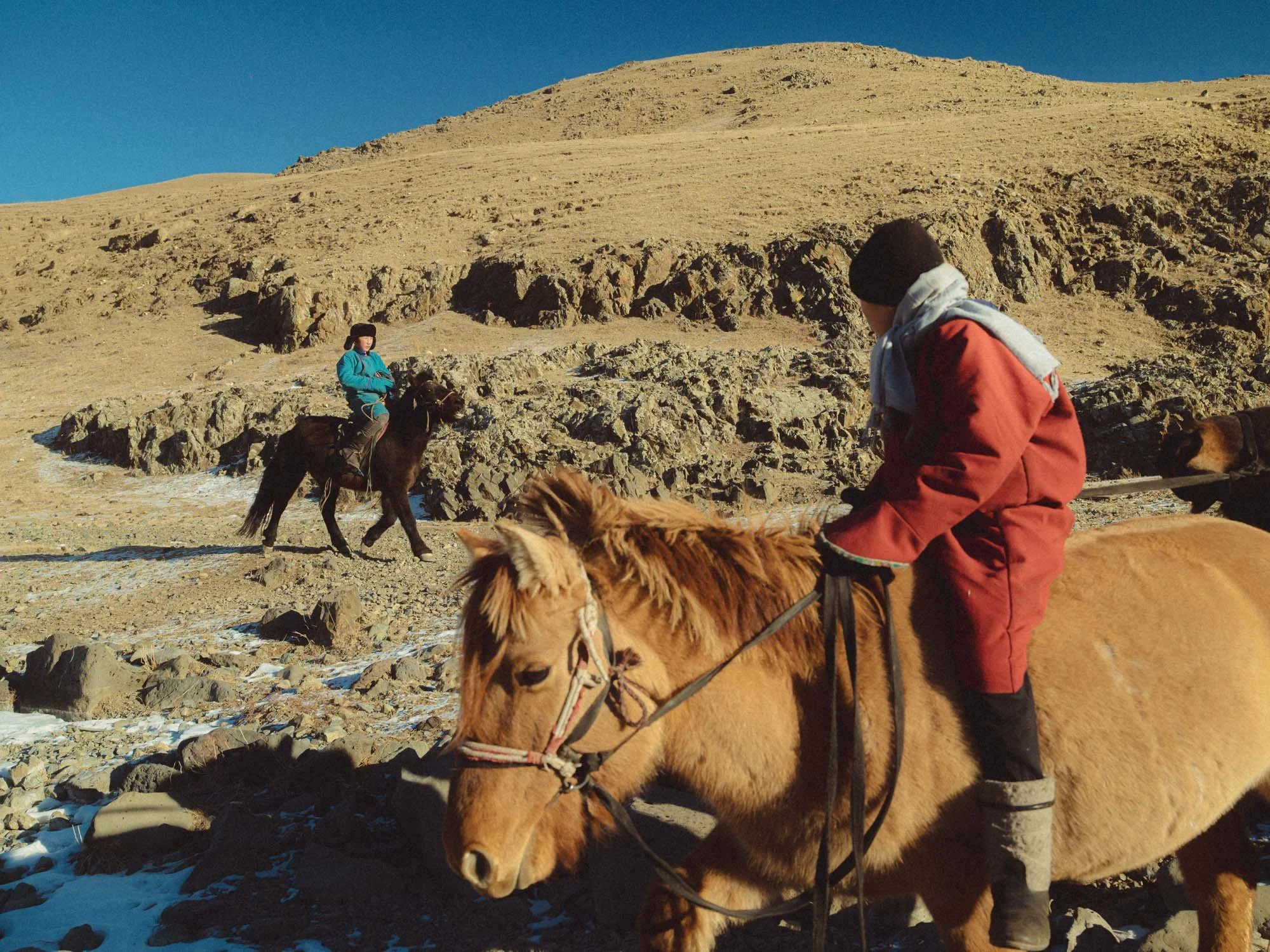
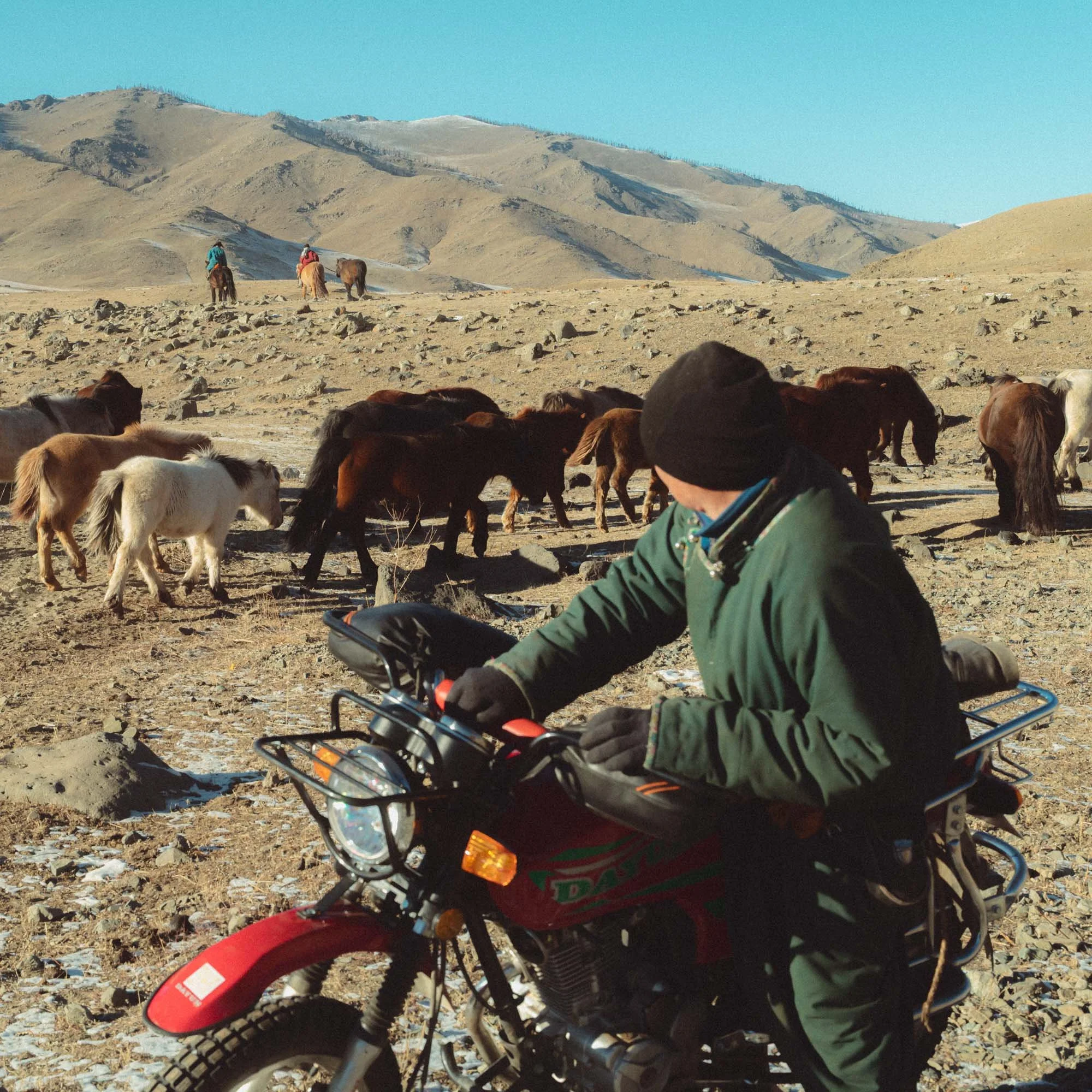
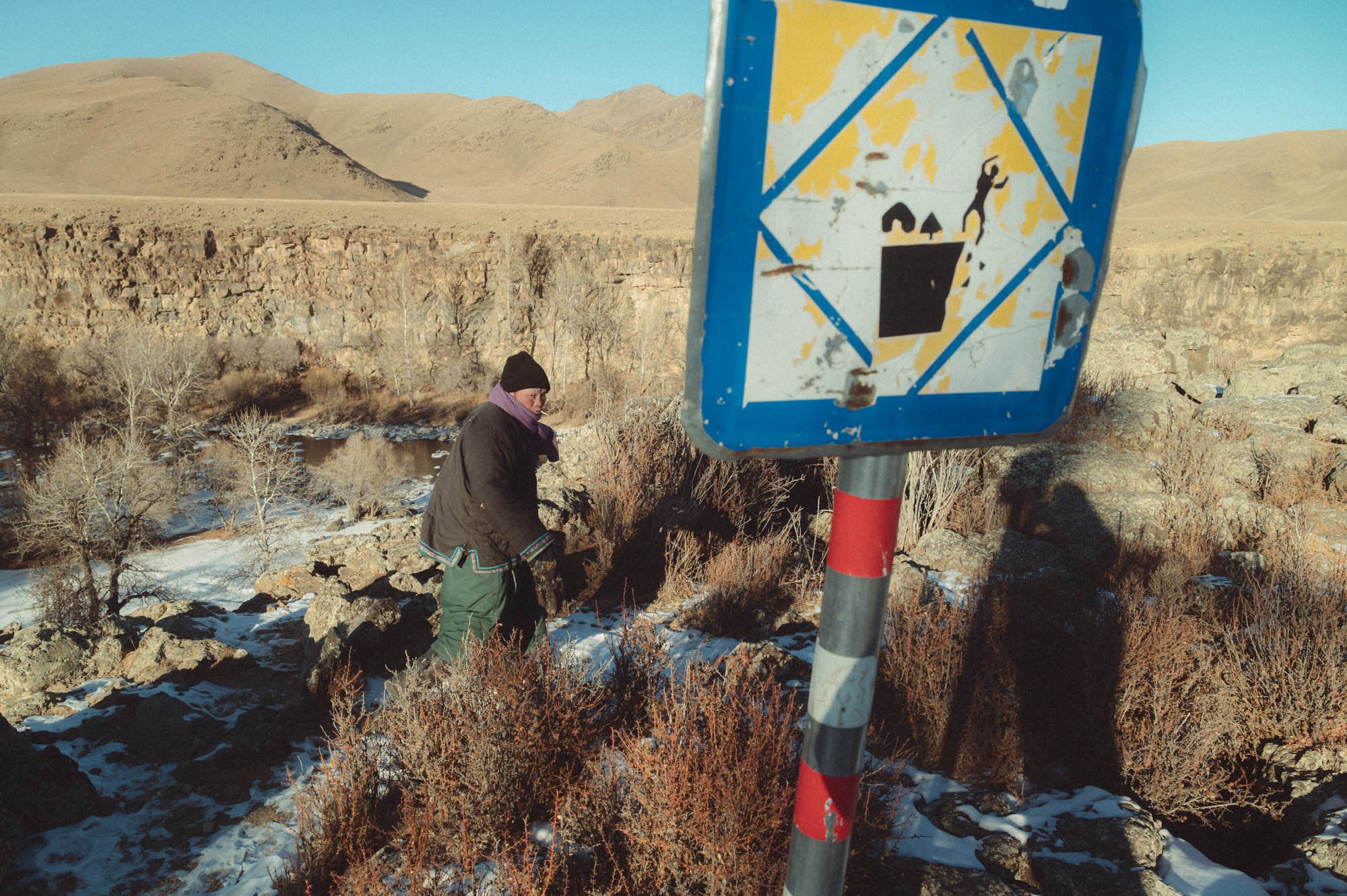

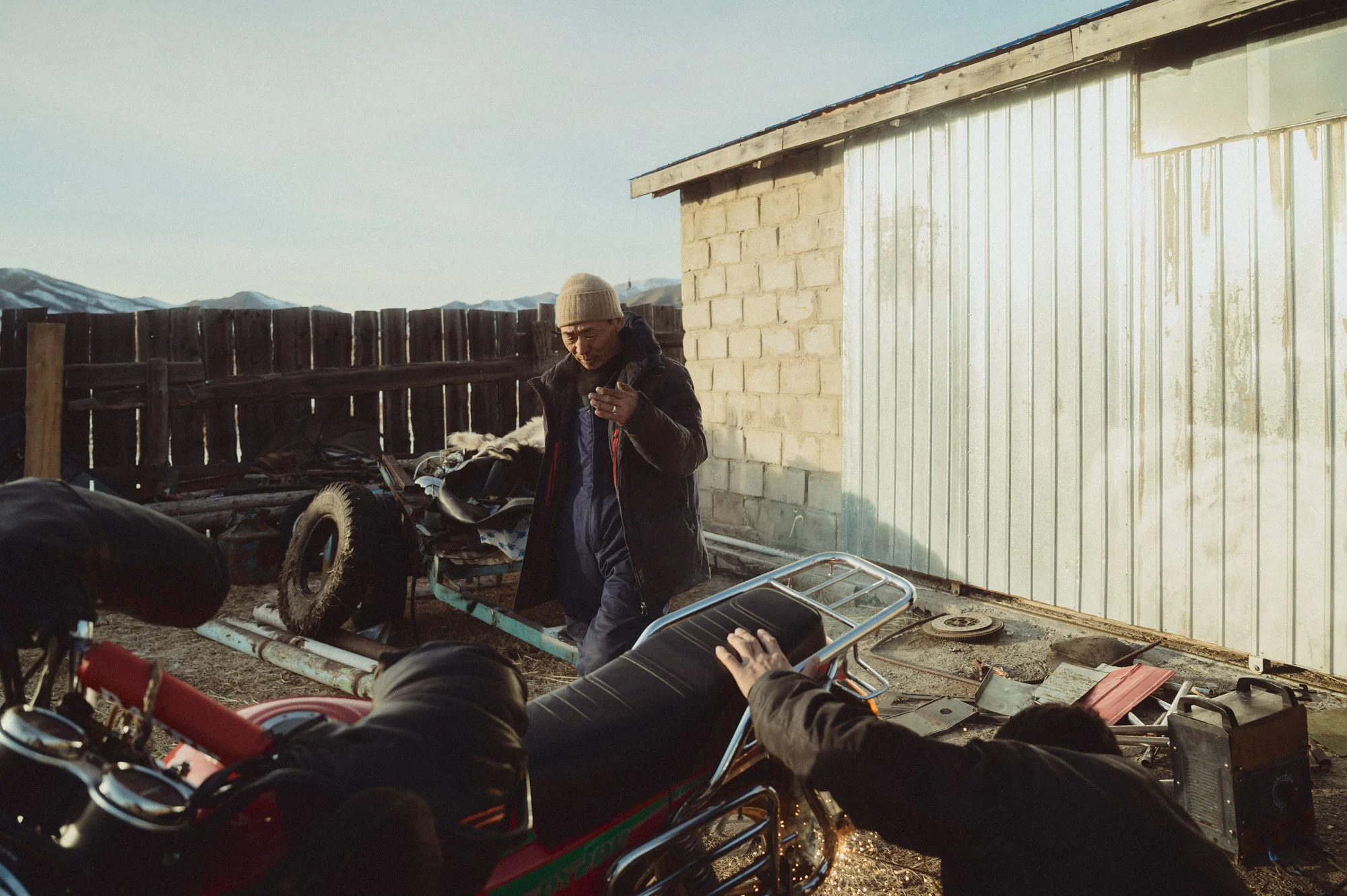
1. Battery Management
Batteries die instantly in extreme cold. The chemical reaction slows down, and a full charge reads empty in minutes.
The Fix: Keep spare batteries against your body in the inner pockets of your coat.
The Rotation: Shoot, swap the cold battery for a warm one, repeat. Never leave them in the bag.
2. The Blue Hour
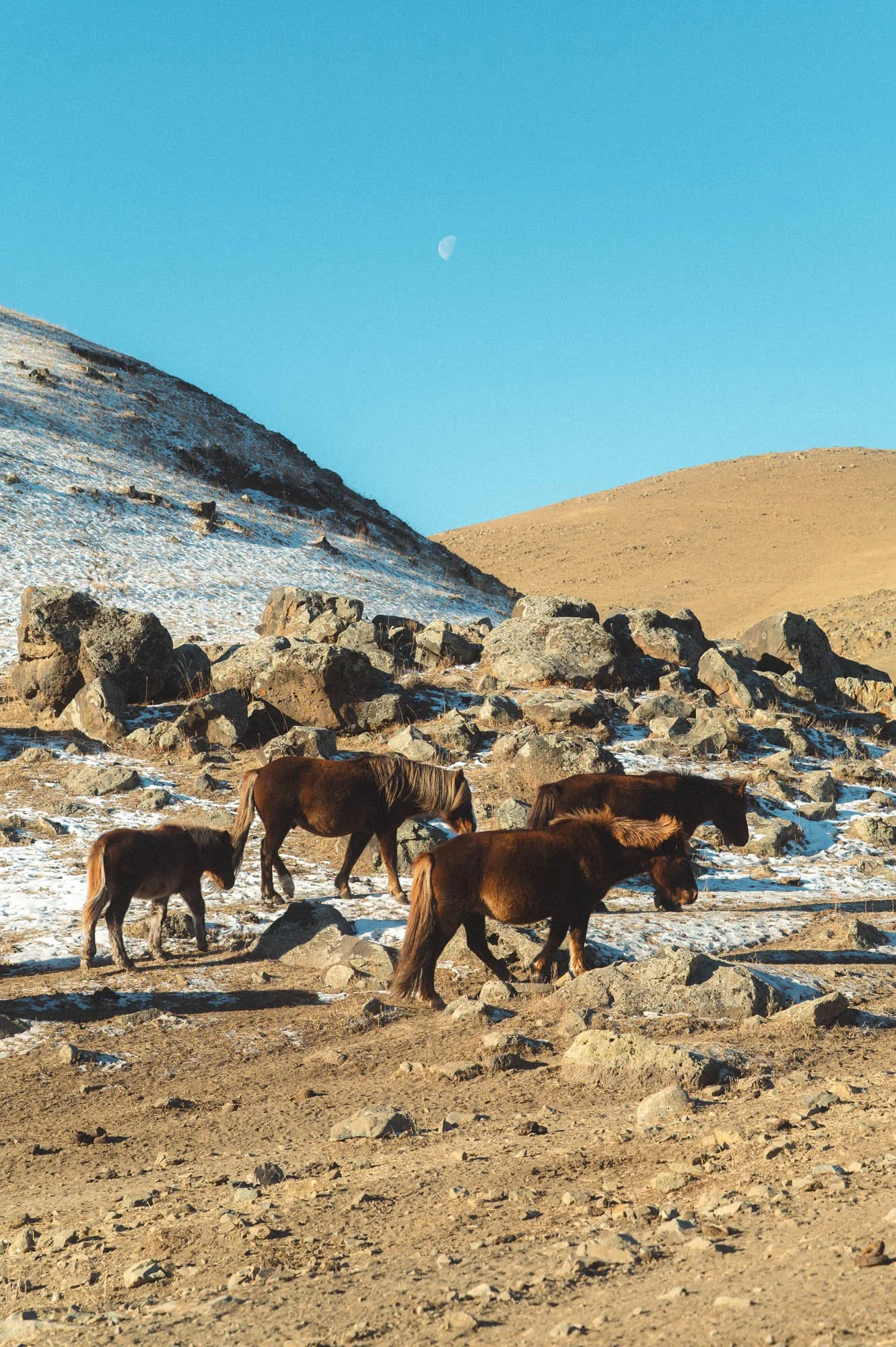
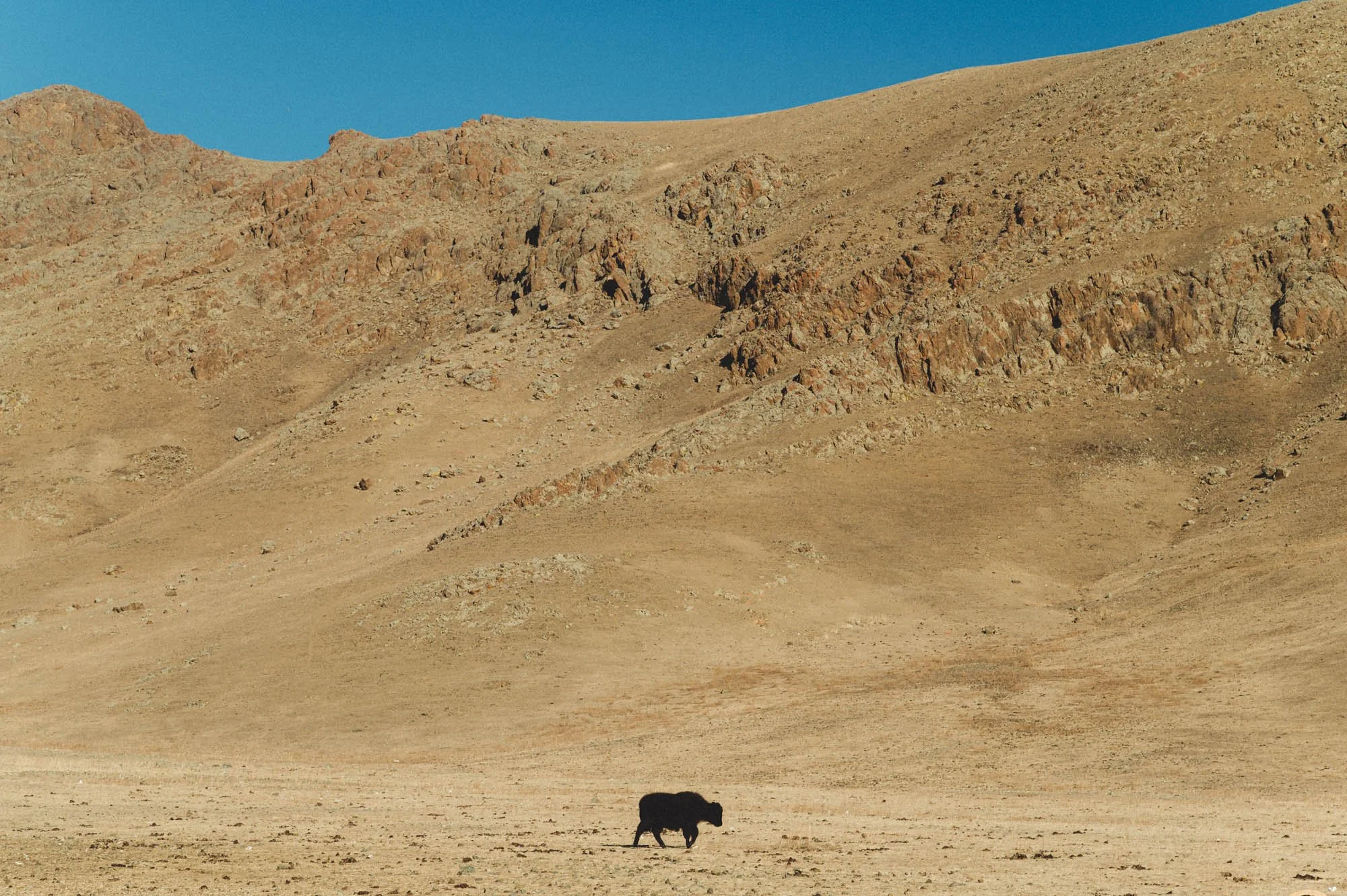
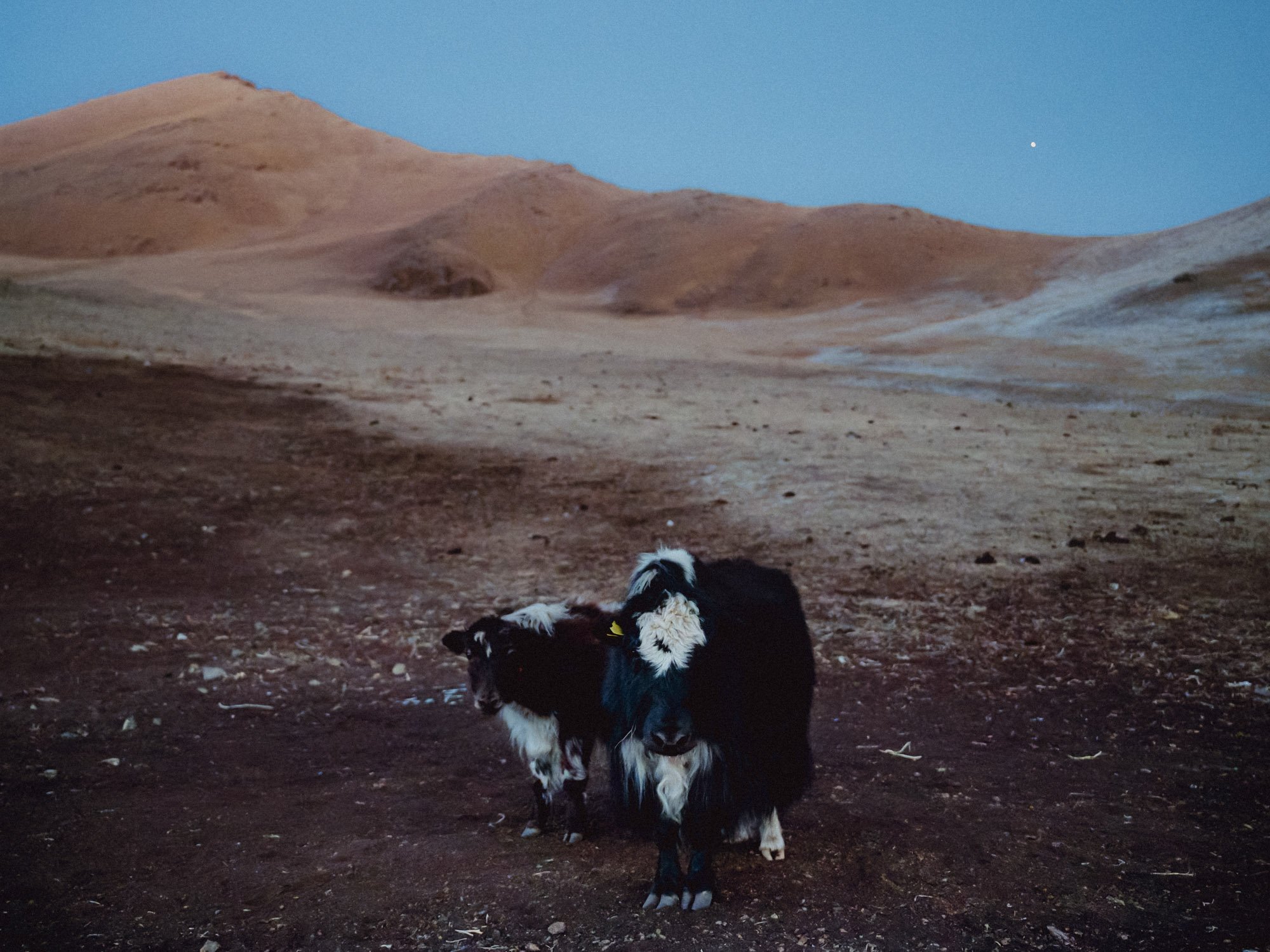
The light in the Mongolian winter is distinct. The air is dry and free of the smog that chokes Ulaanbaatar. The visibility is razor-sharp. The blue hour hits the mountain peaks while the valley is in shadow, creating a natural orange-blue contrast.
3. Composition
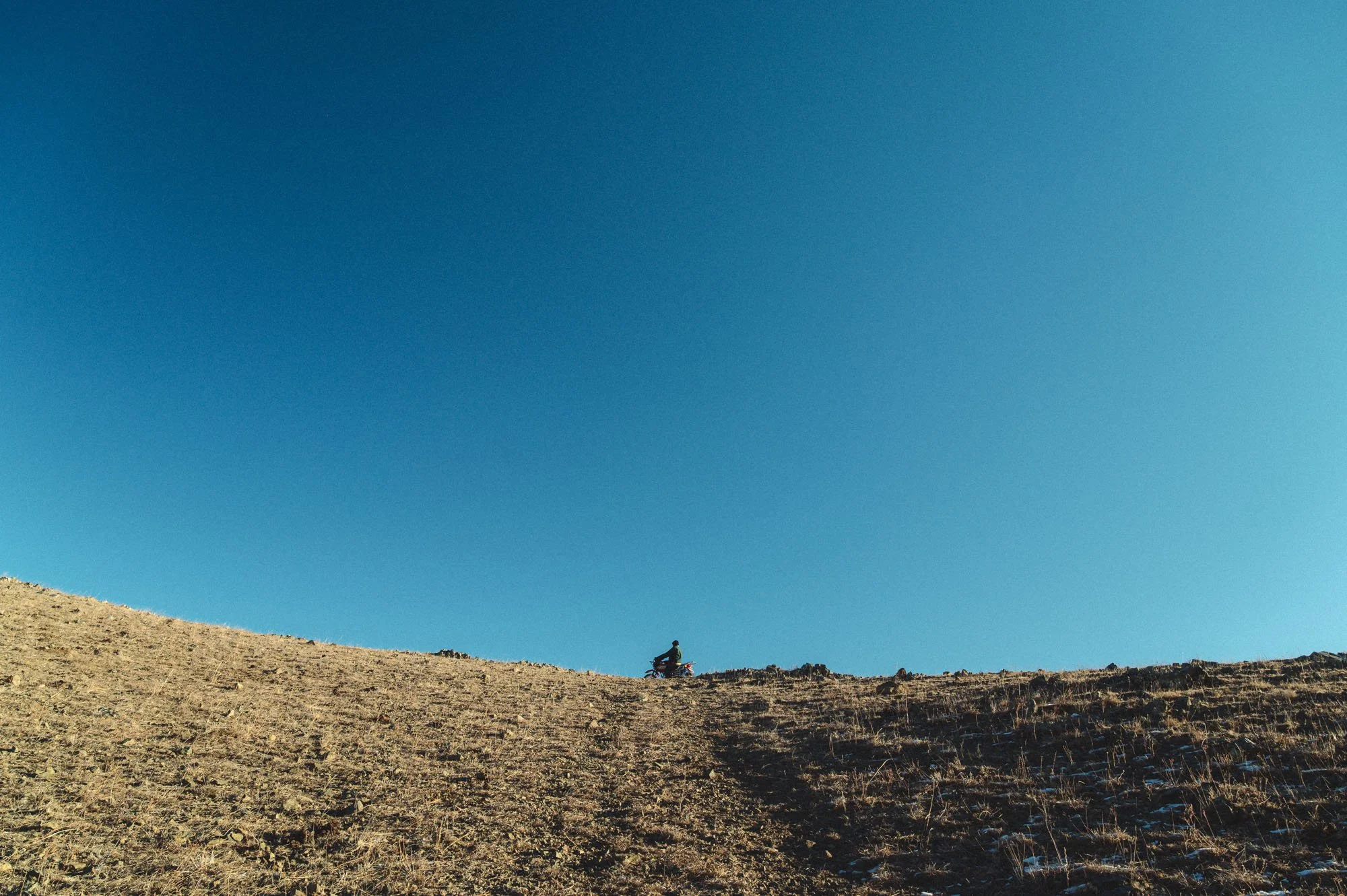
The landscape is vast and flat. You have to work harder to find depth.
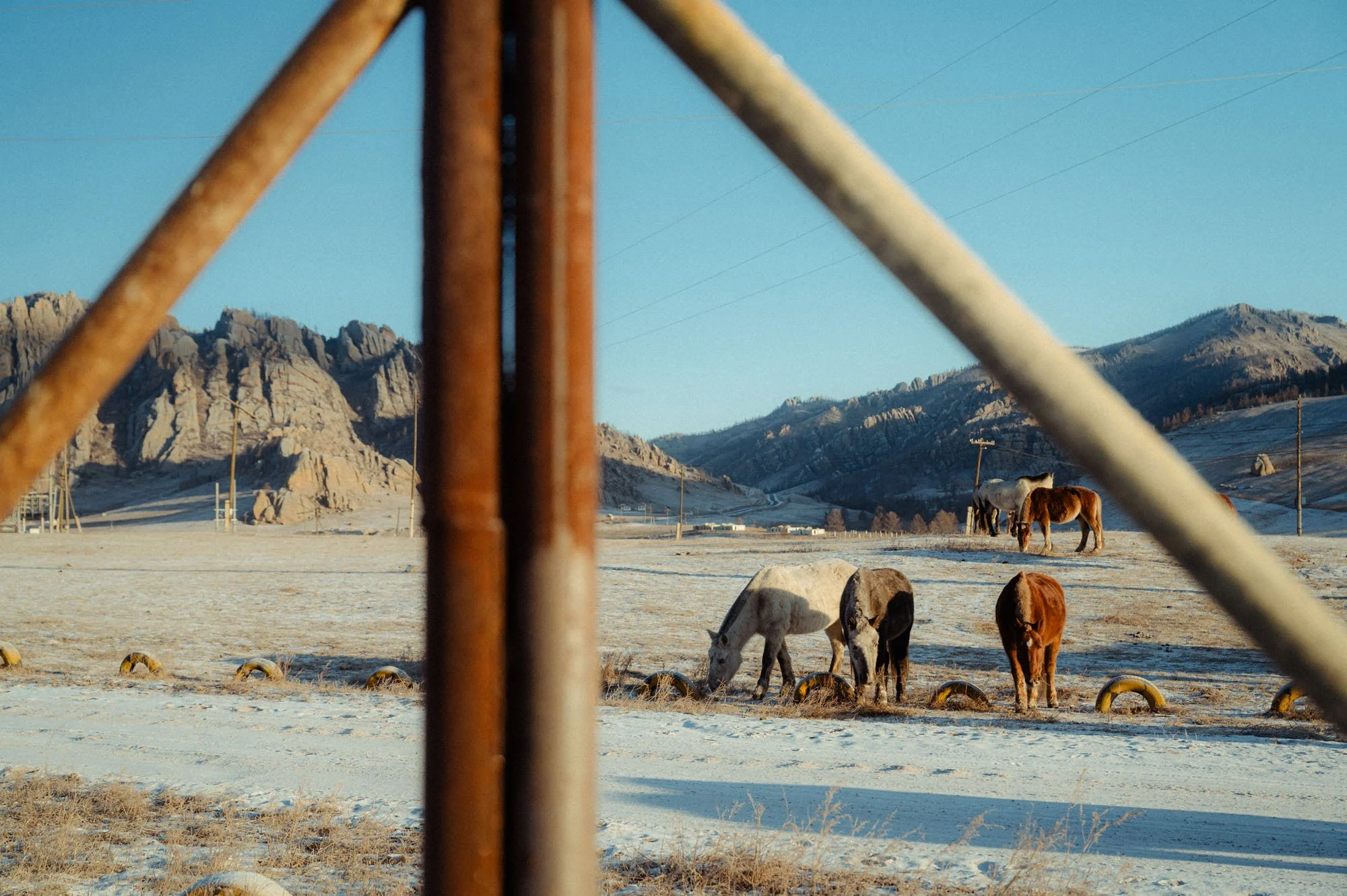
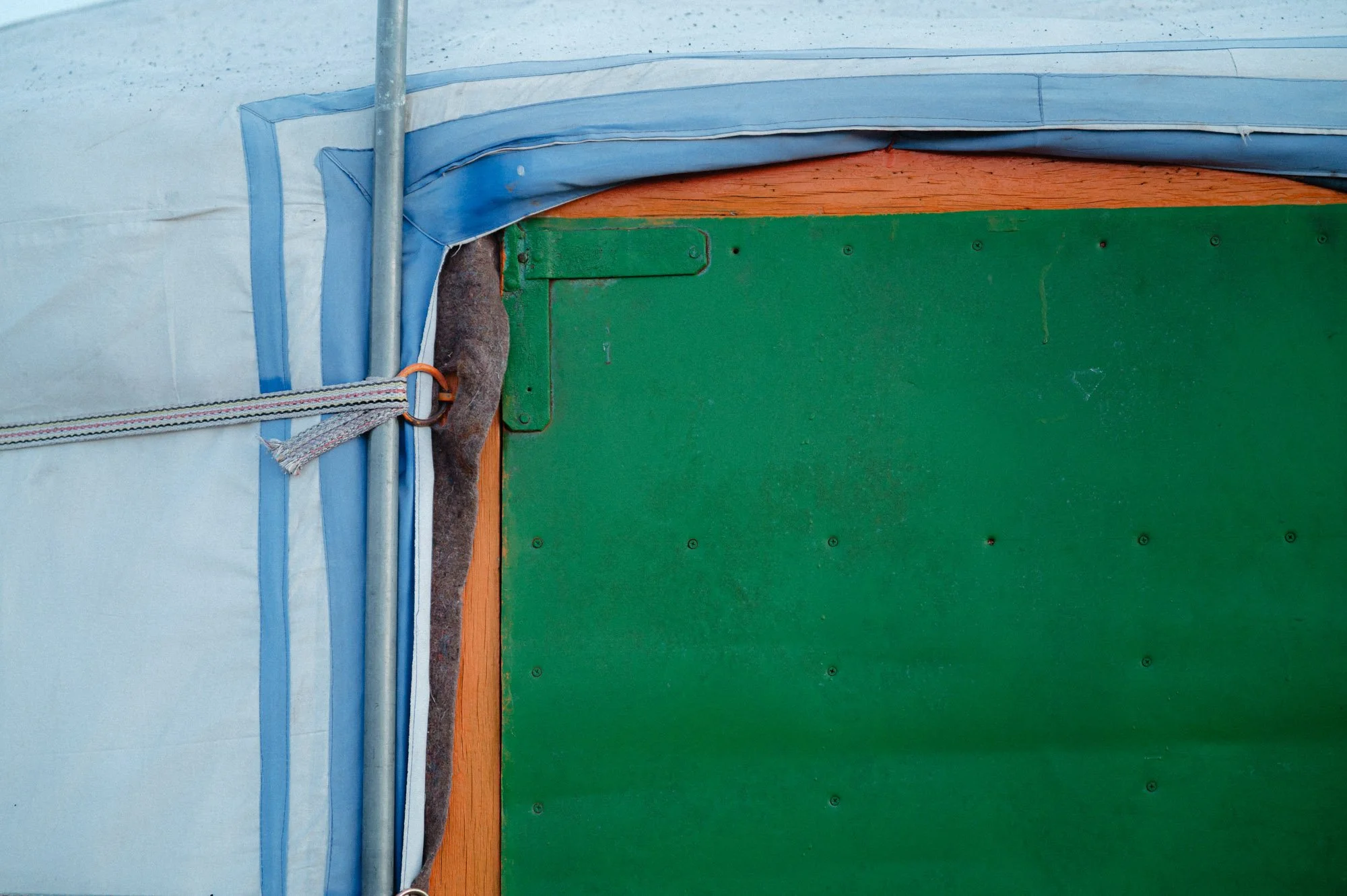
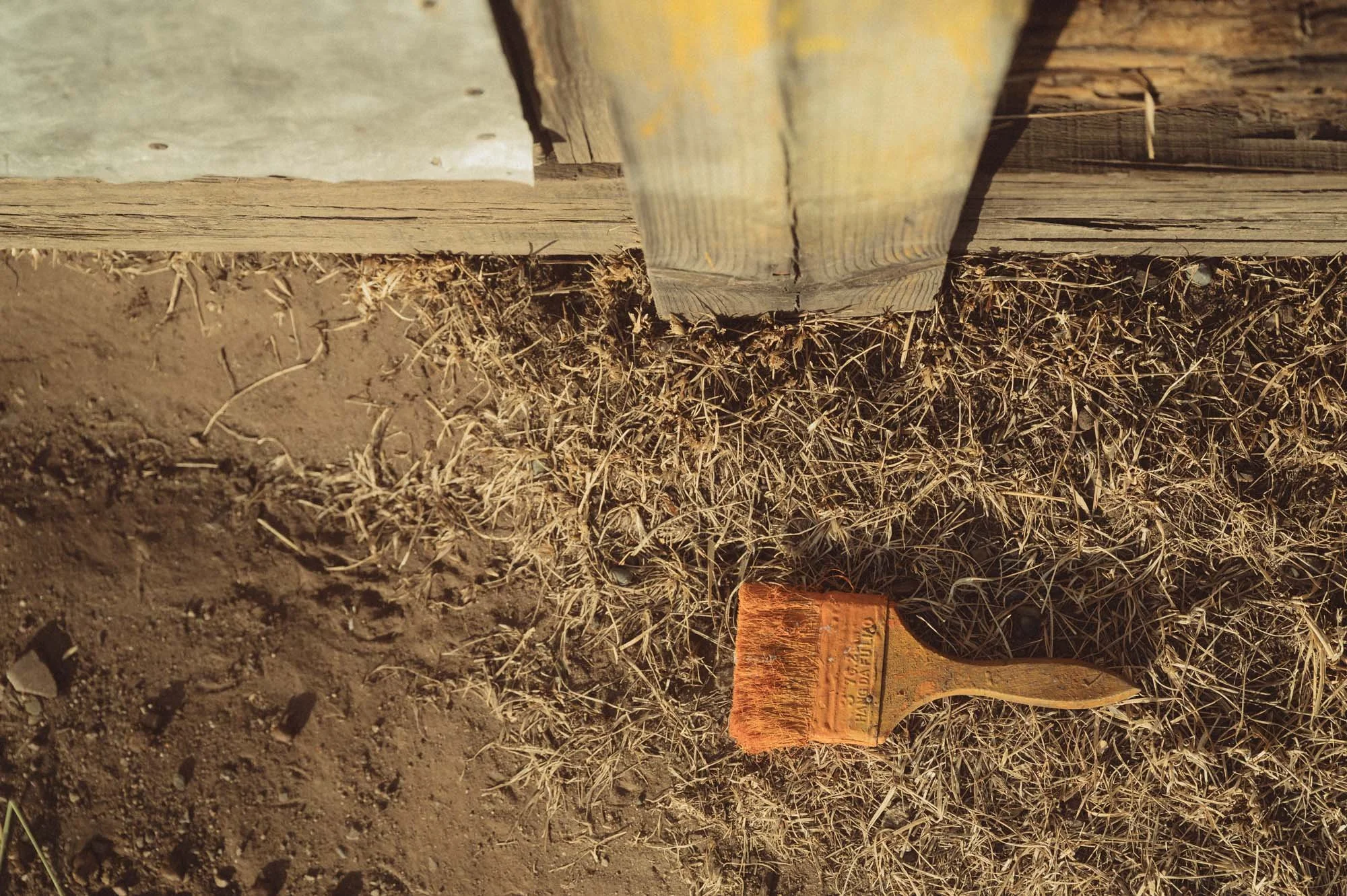
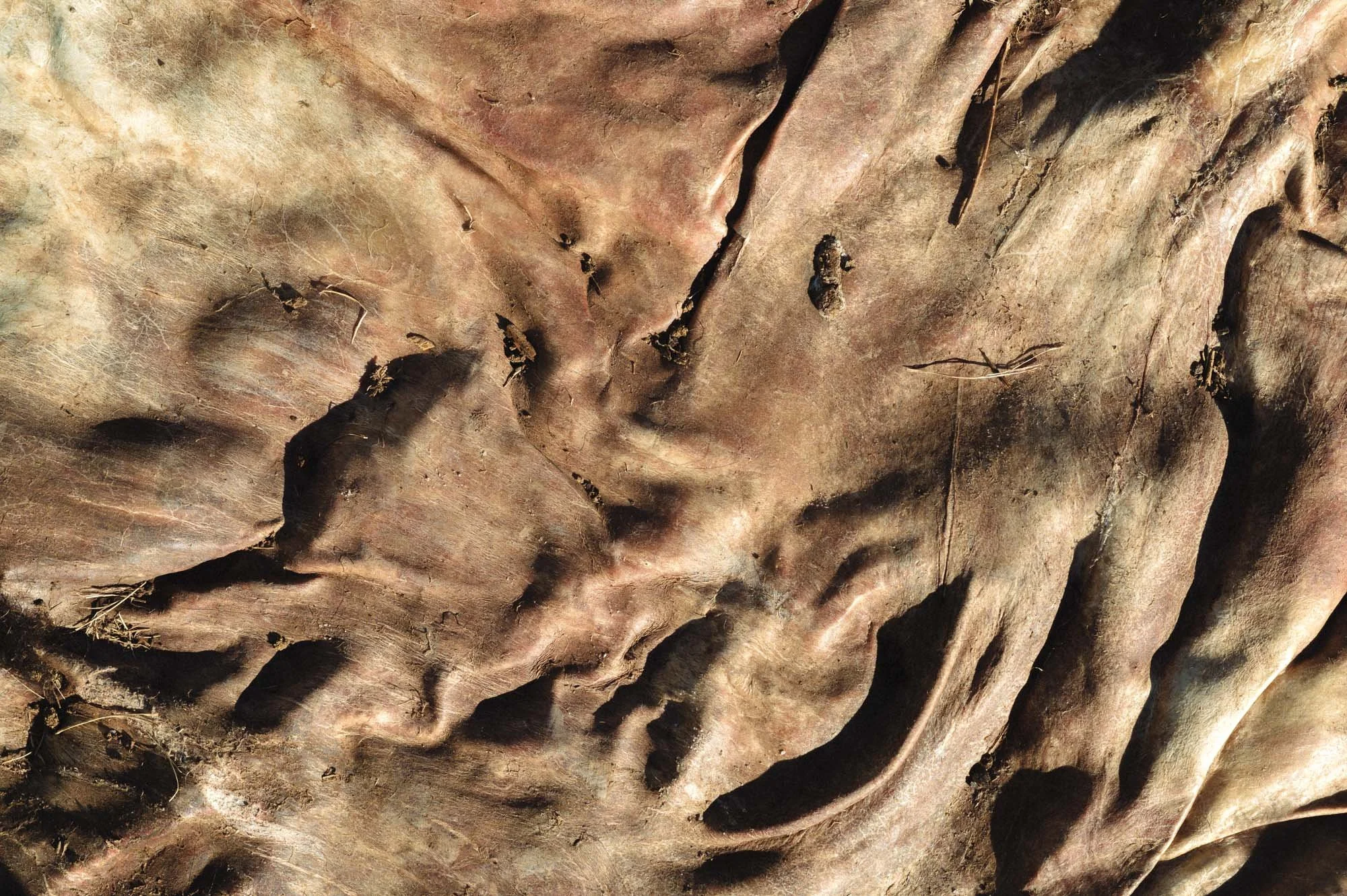
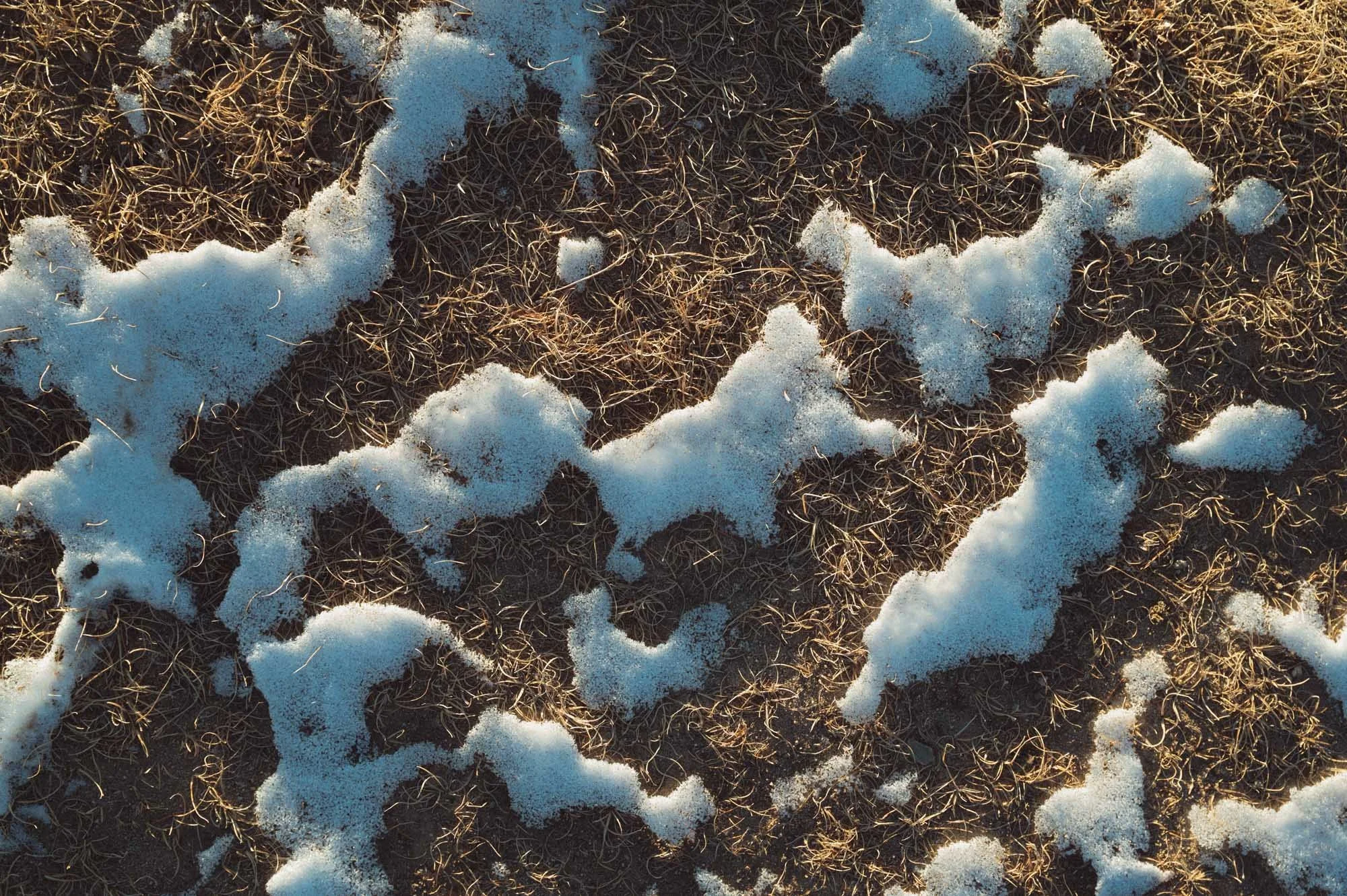
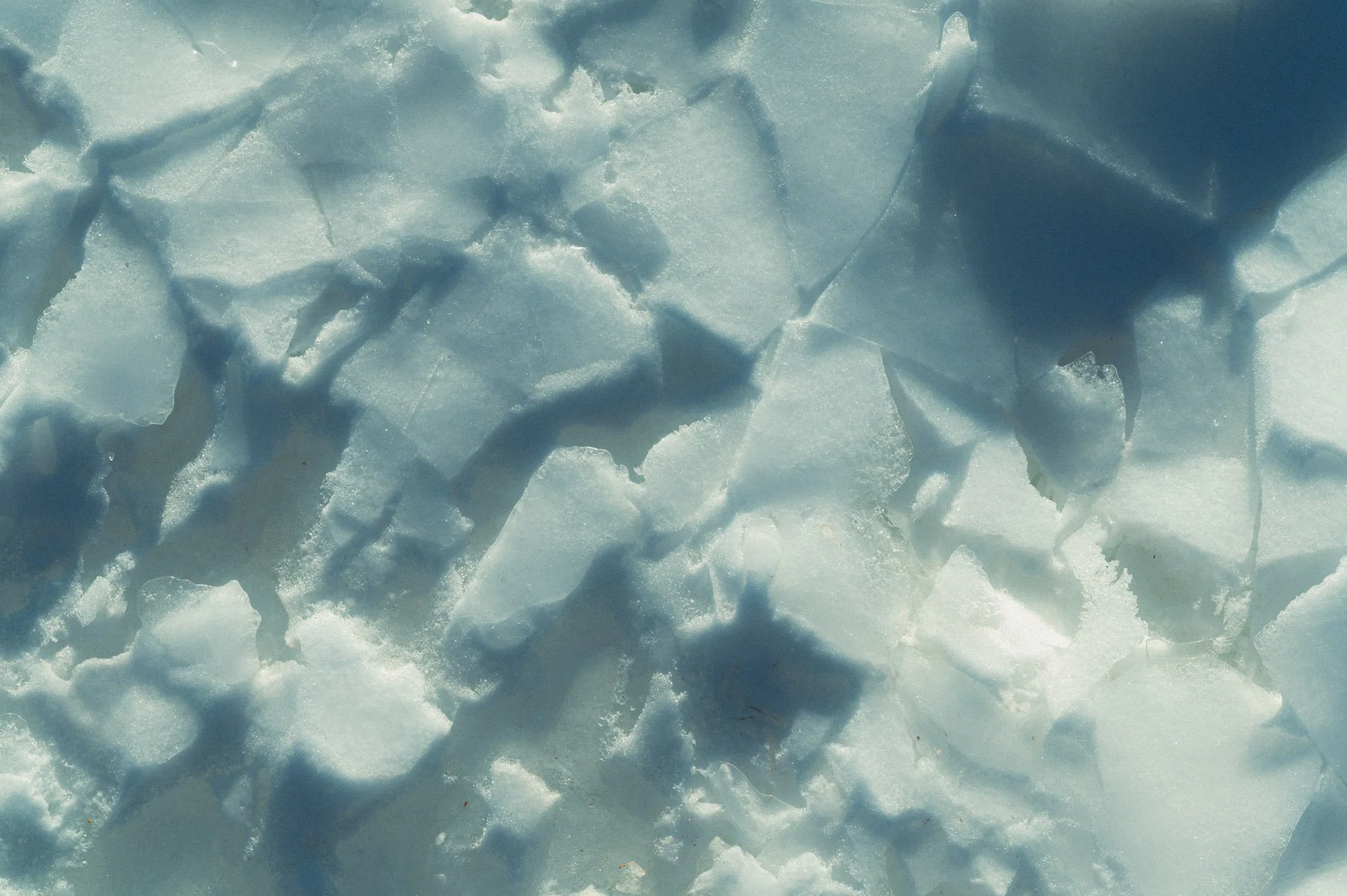
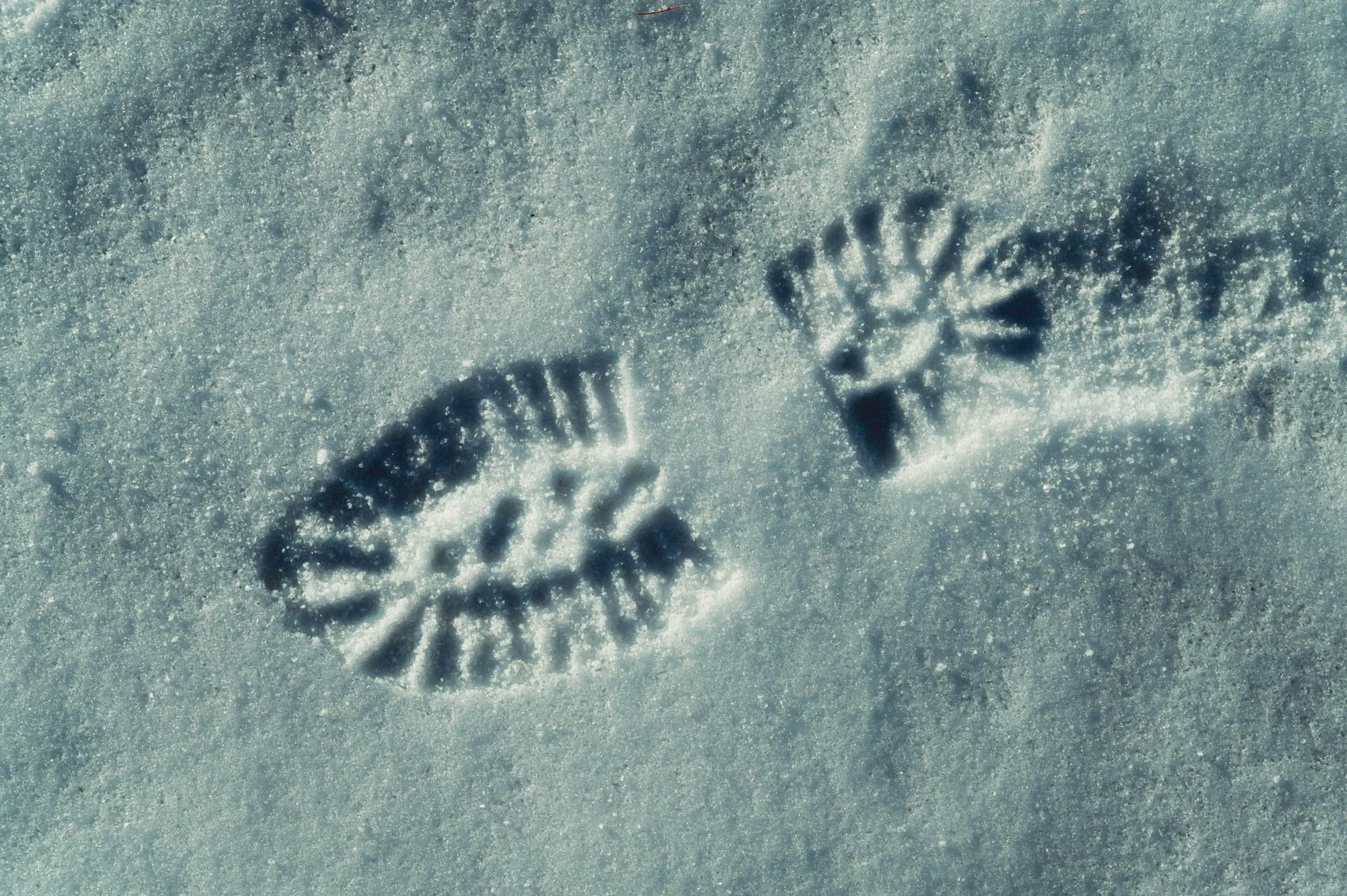
Foreground: Use texture—ice, yak fur, or fence lines.
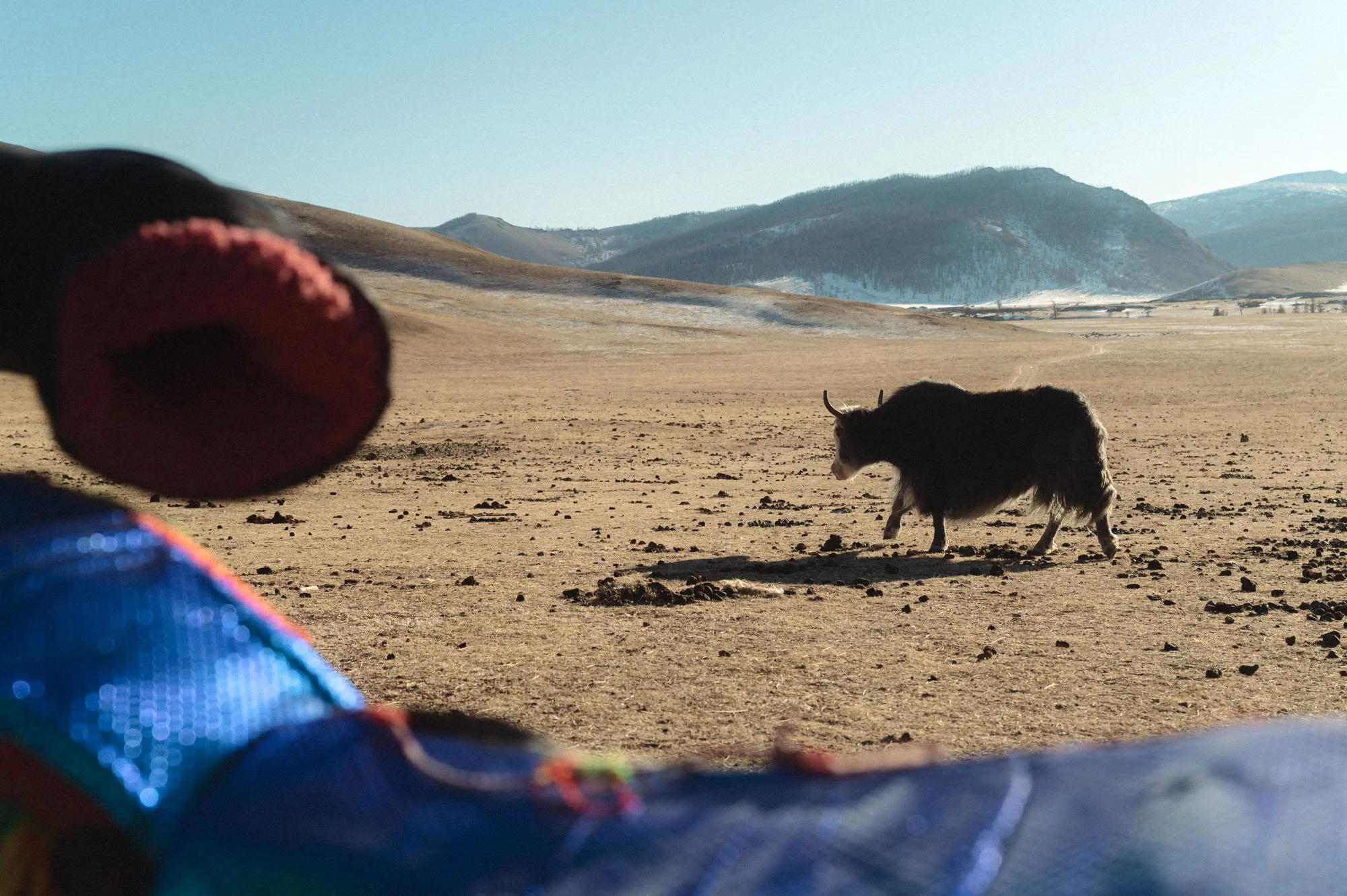
Scale: You need a subject to show the massive emptiness.
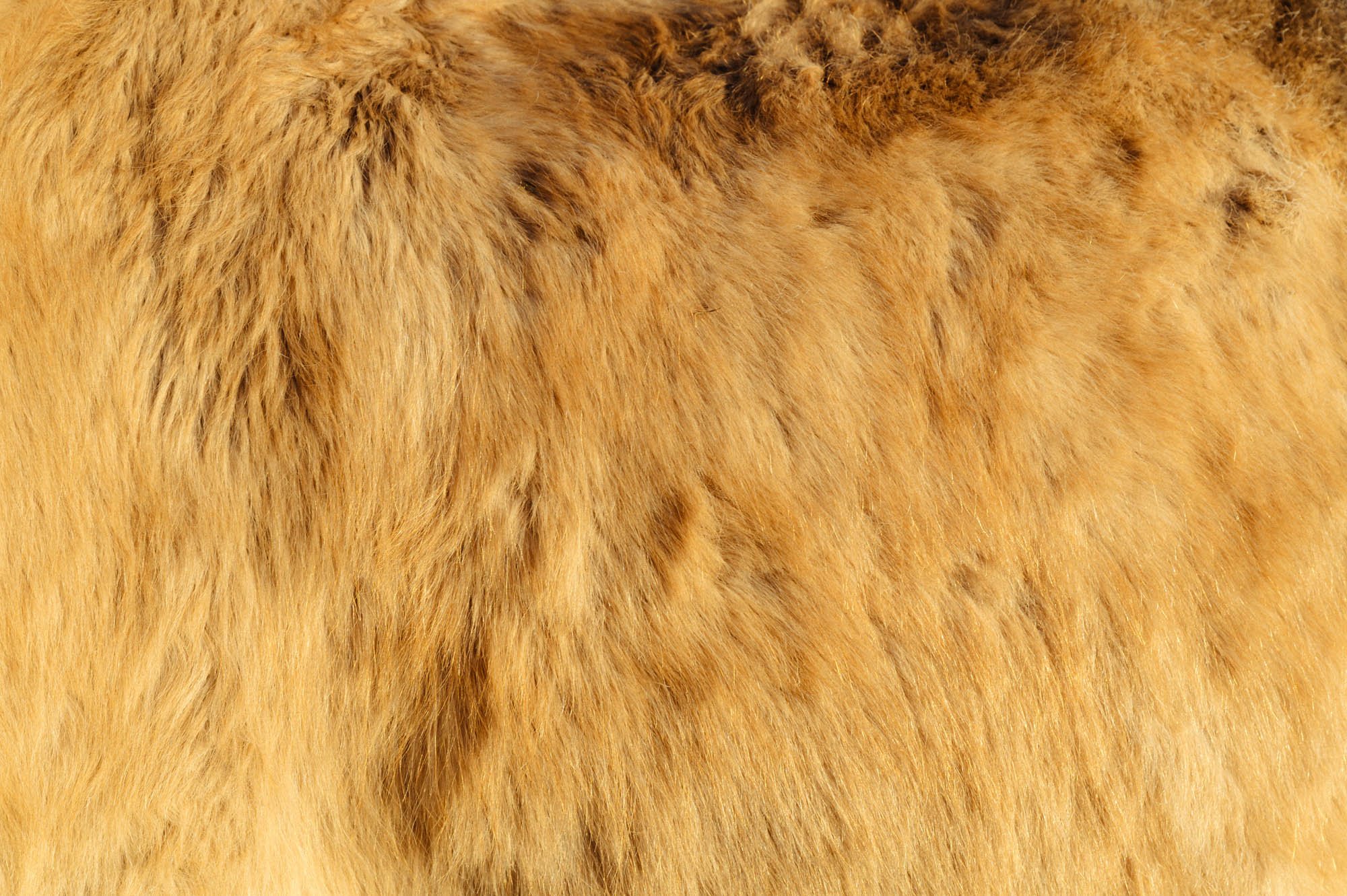
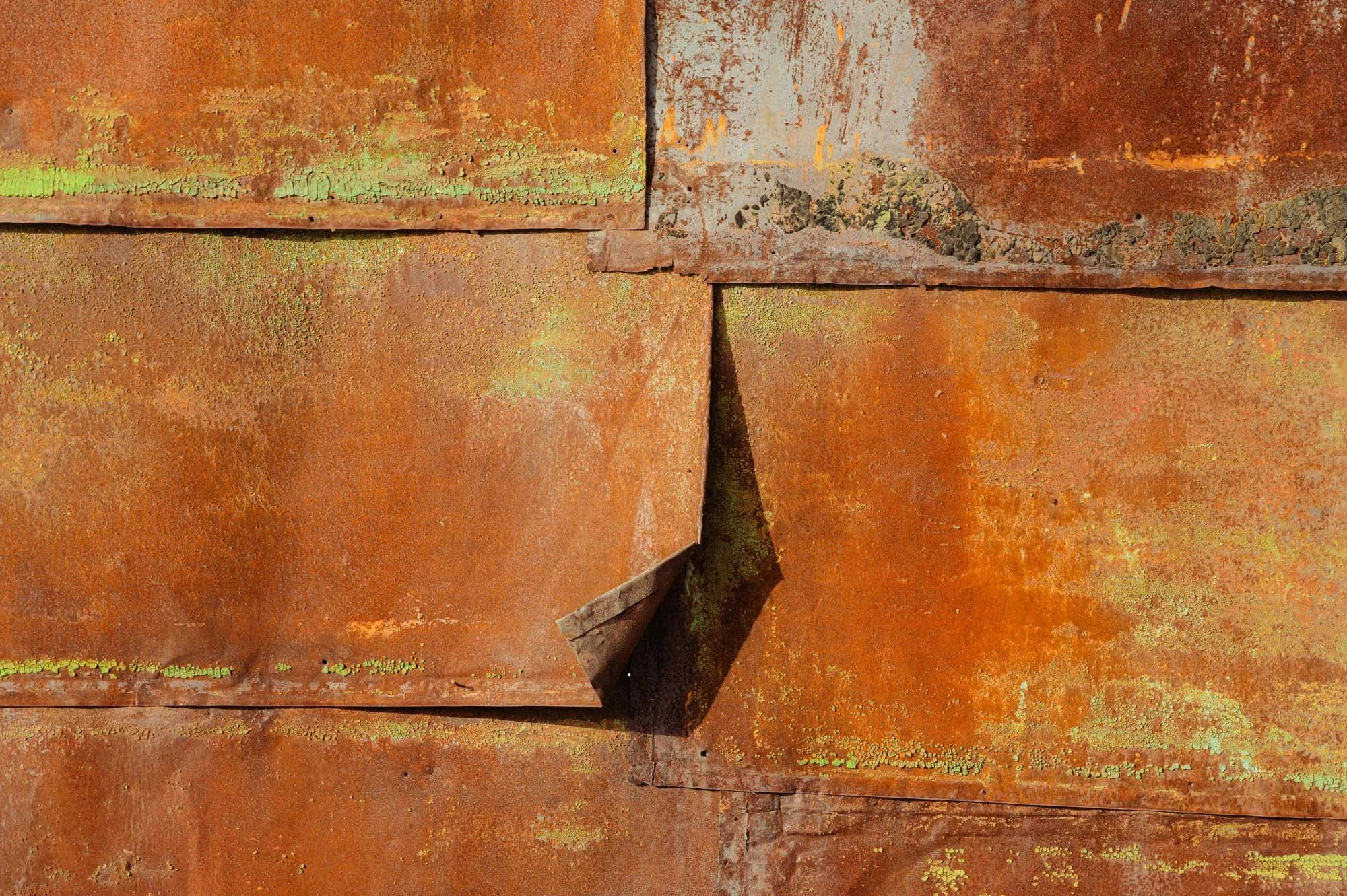
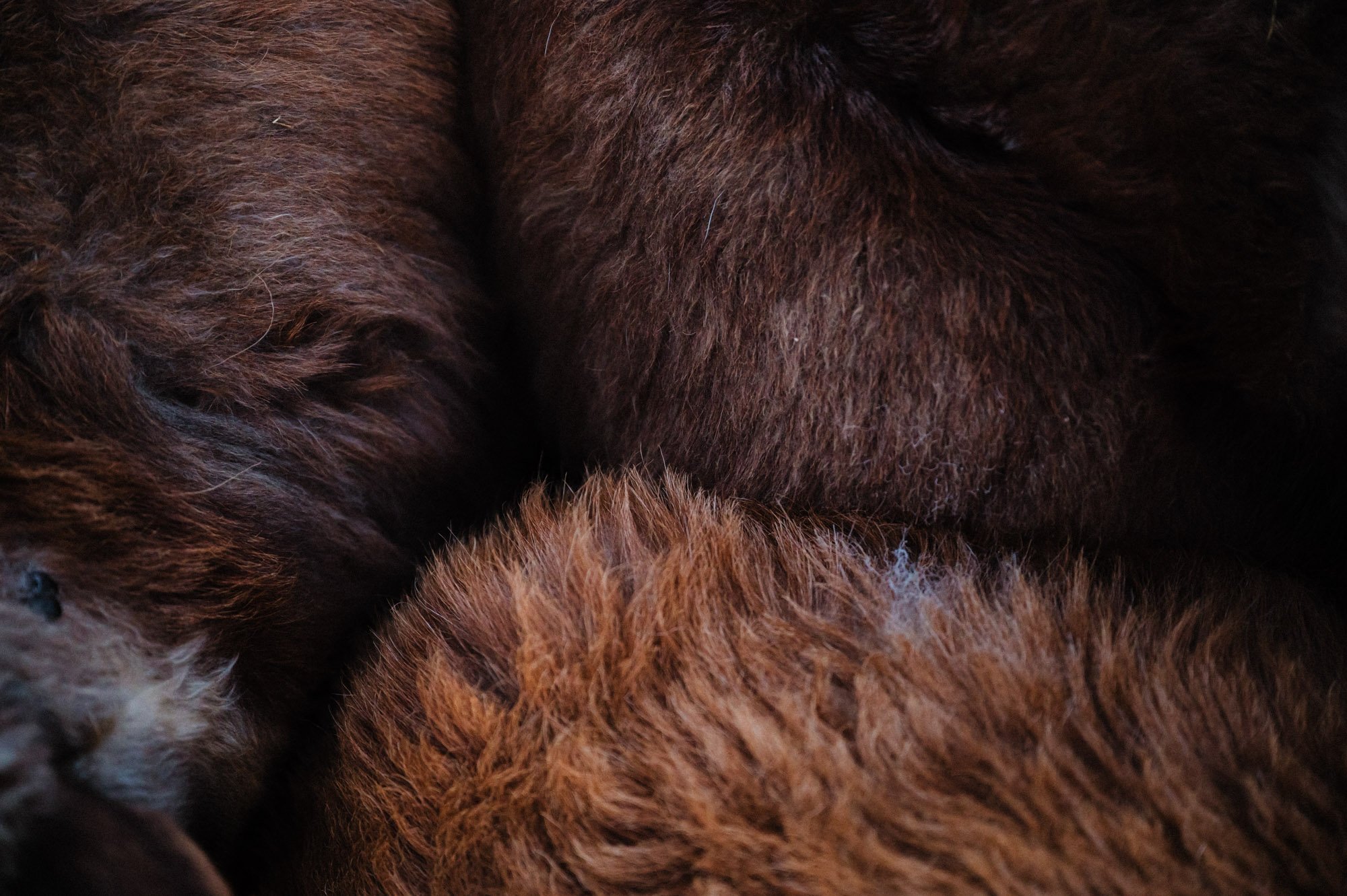
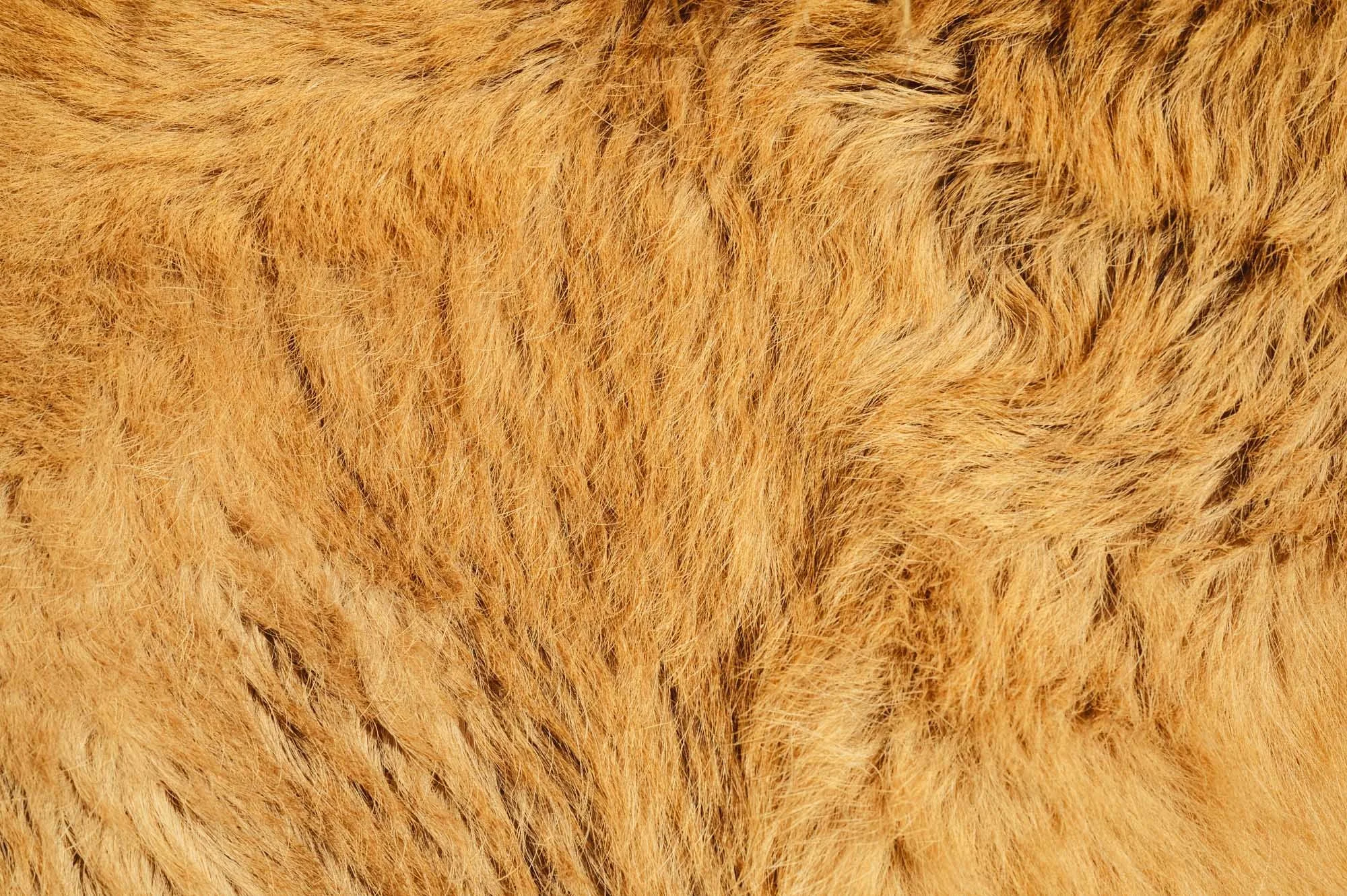
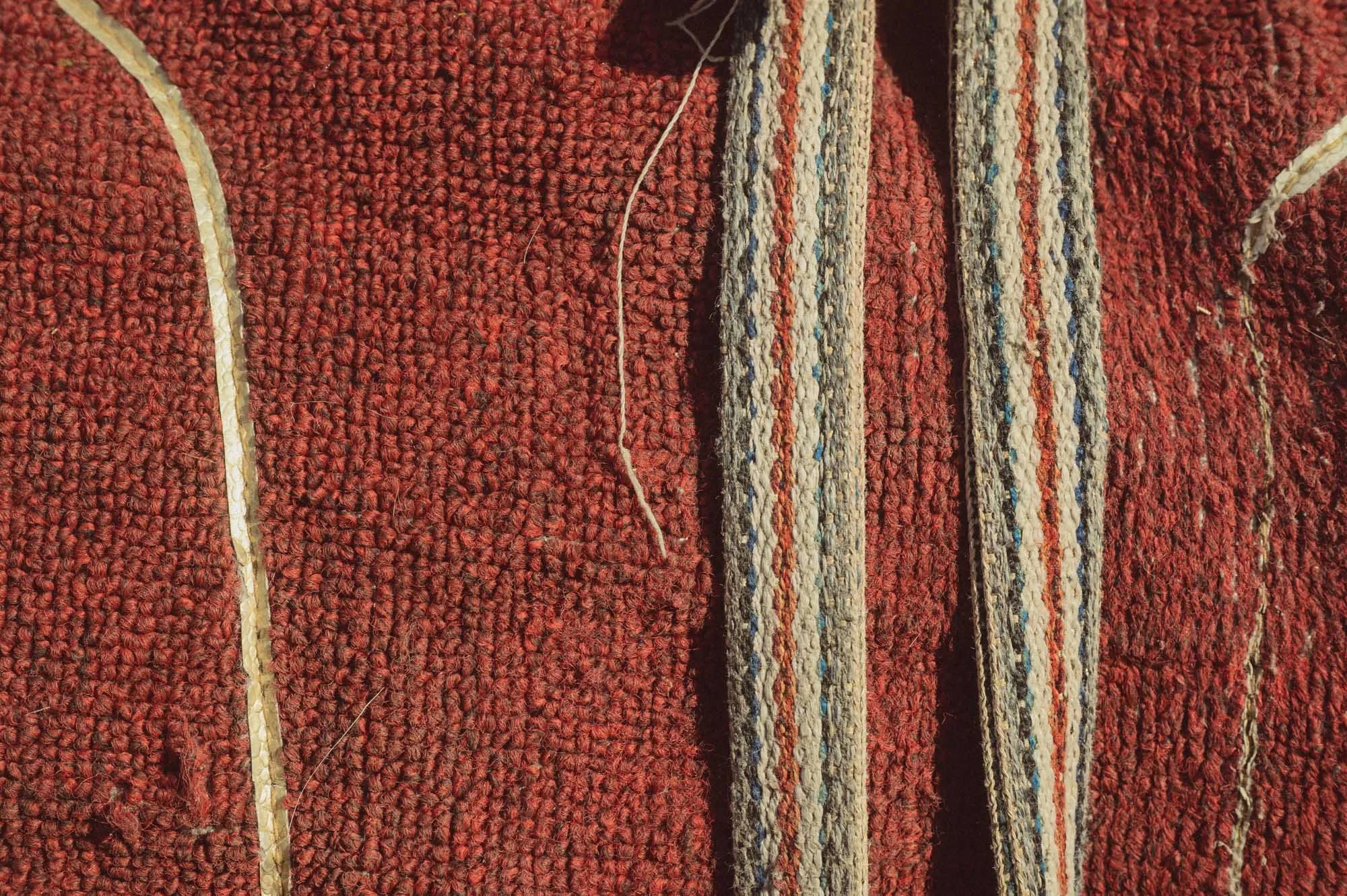
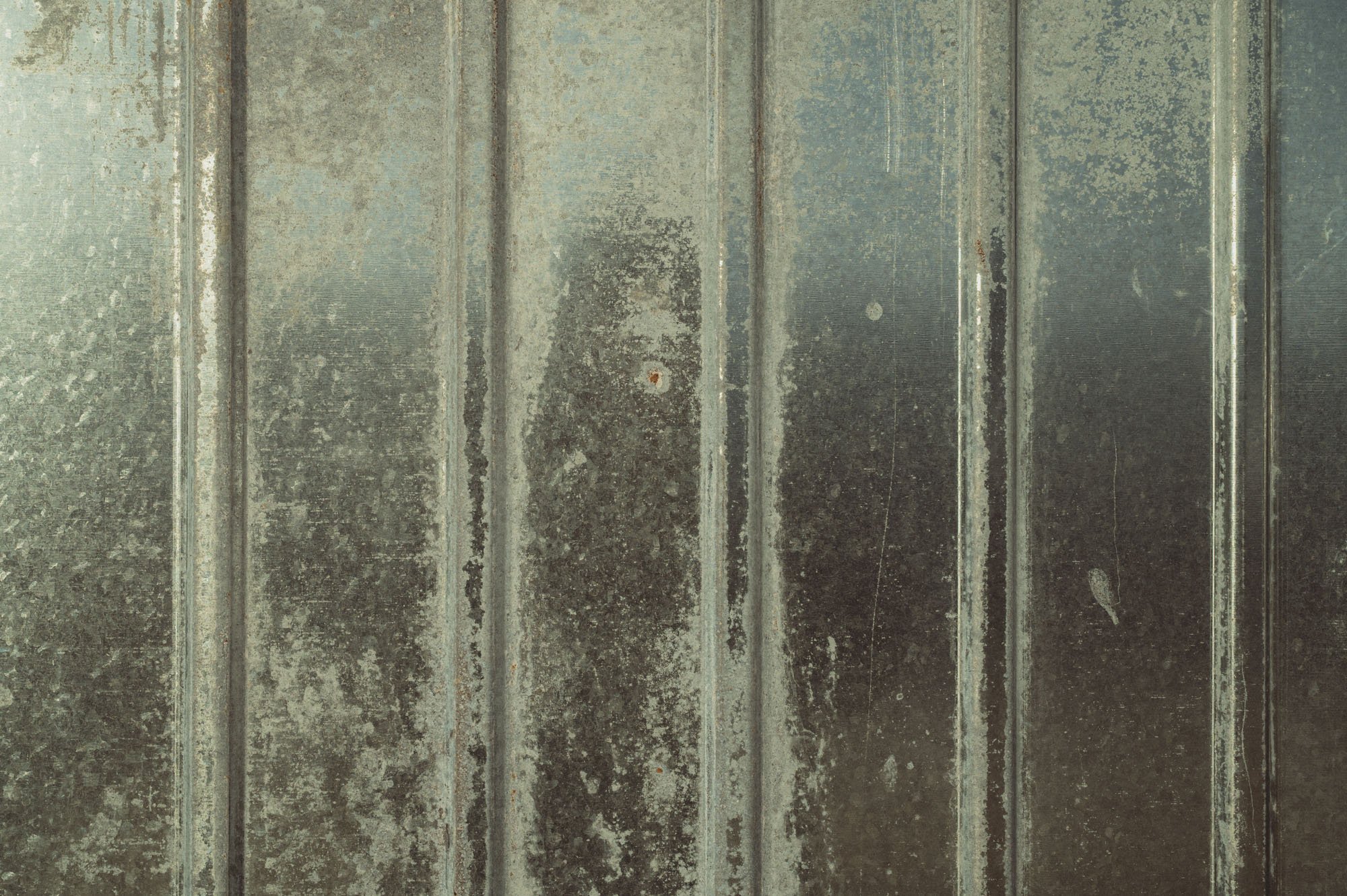
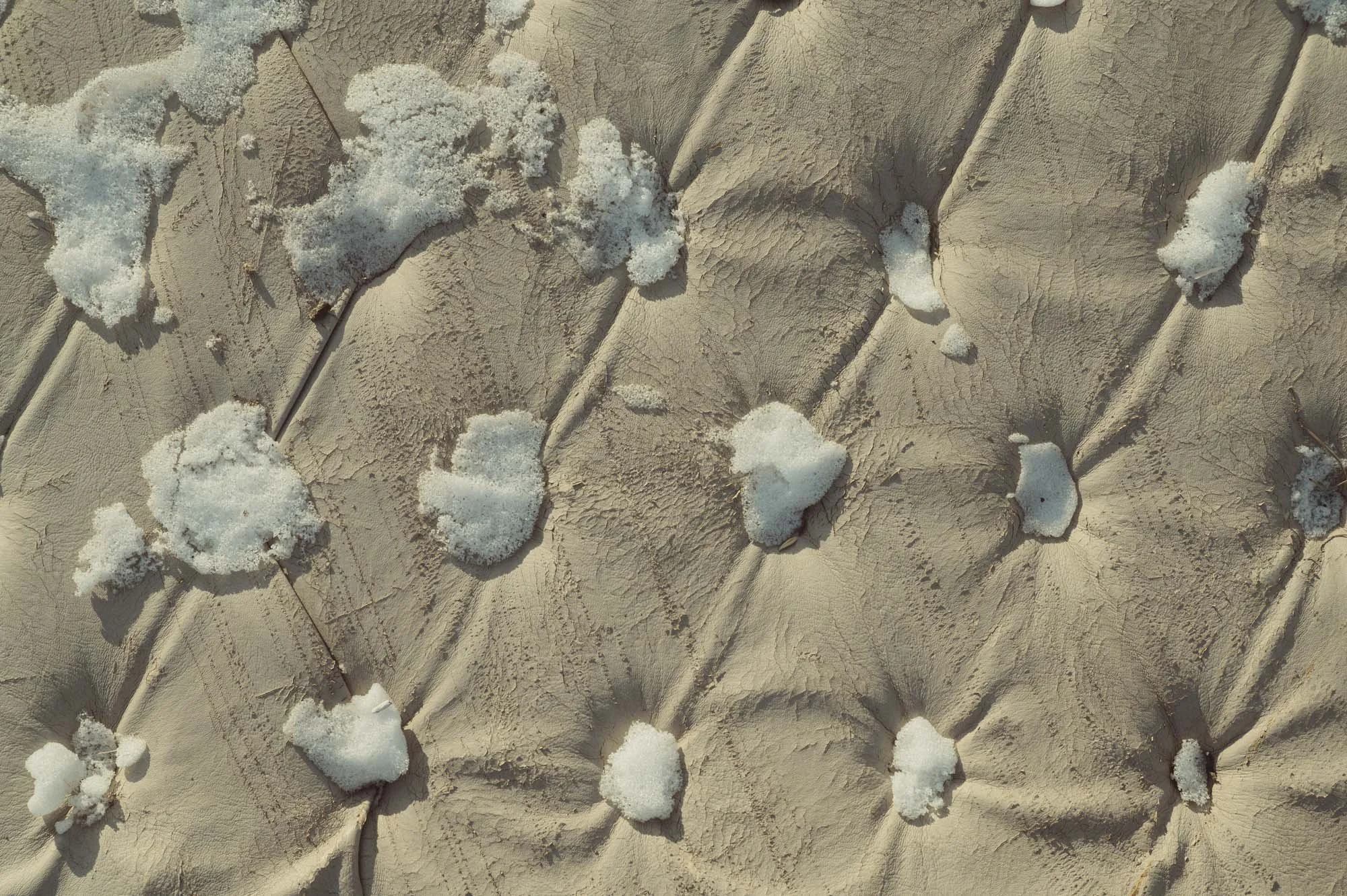
And those horses!
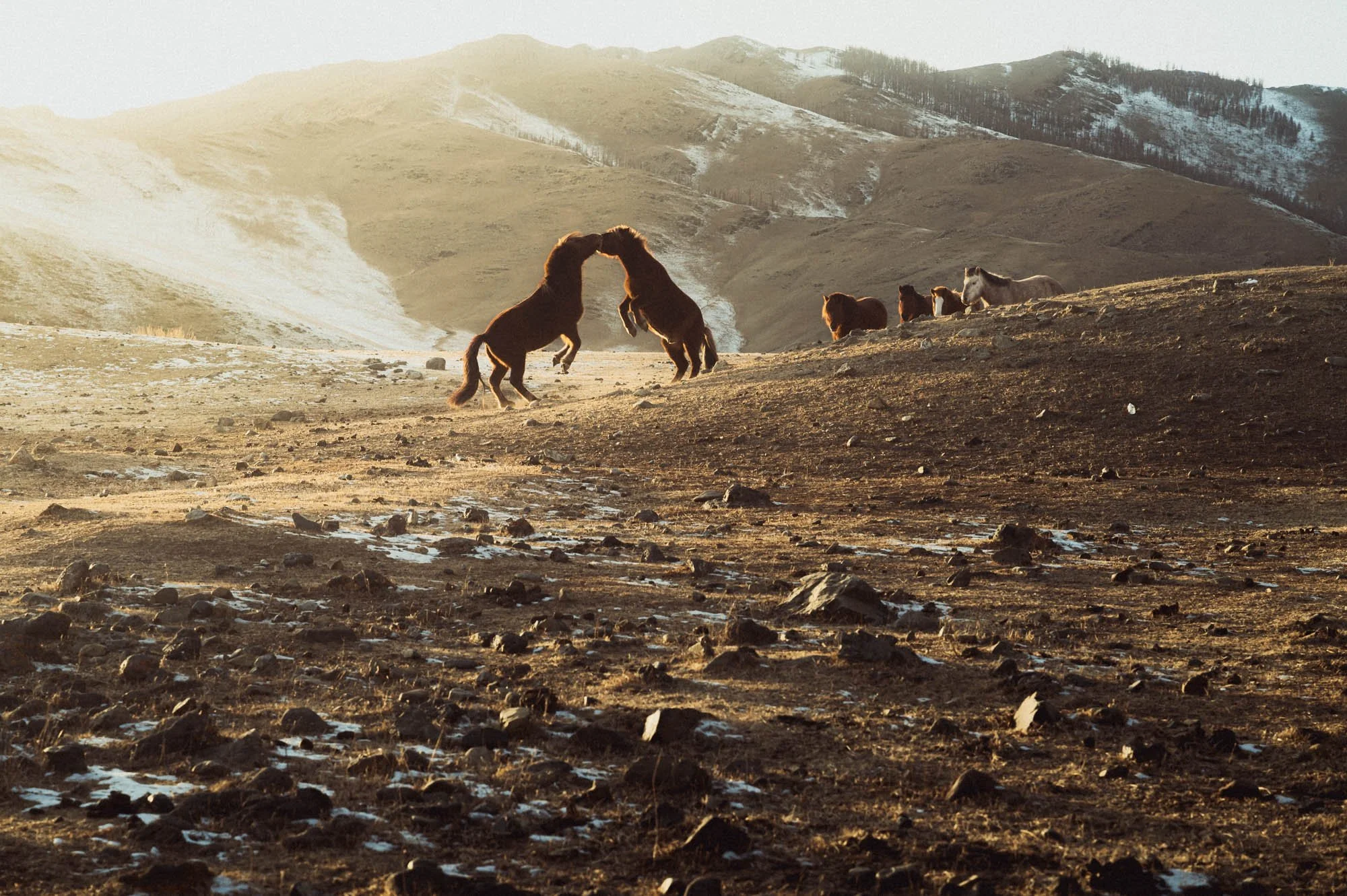
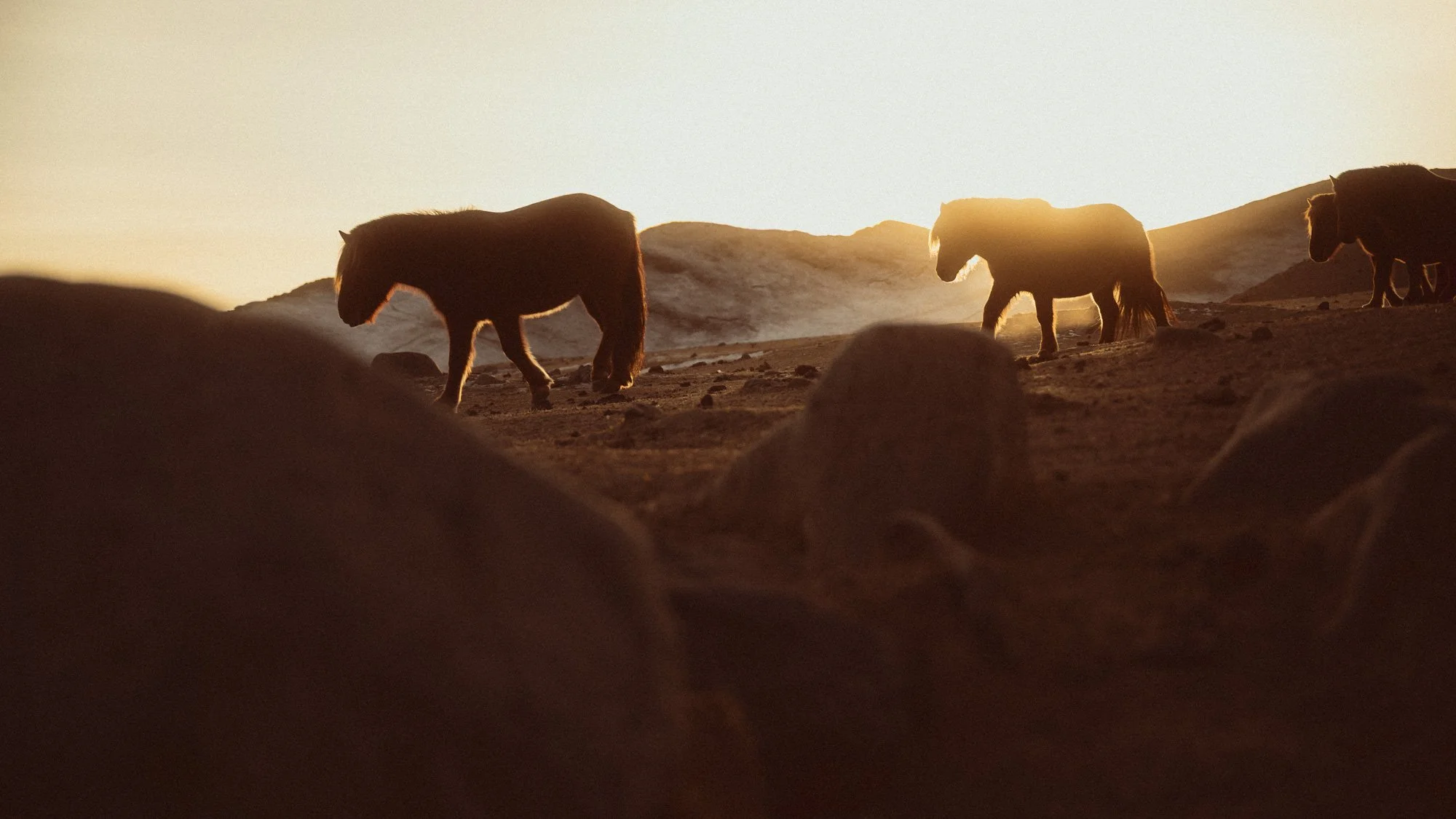
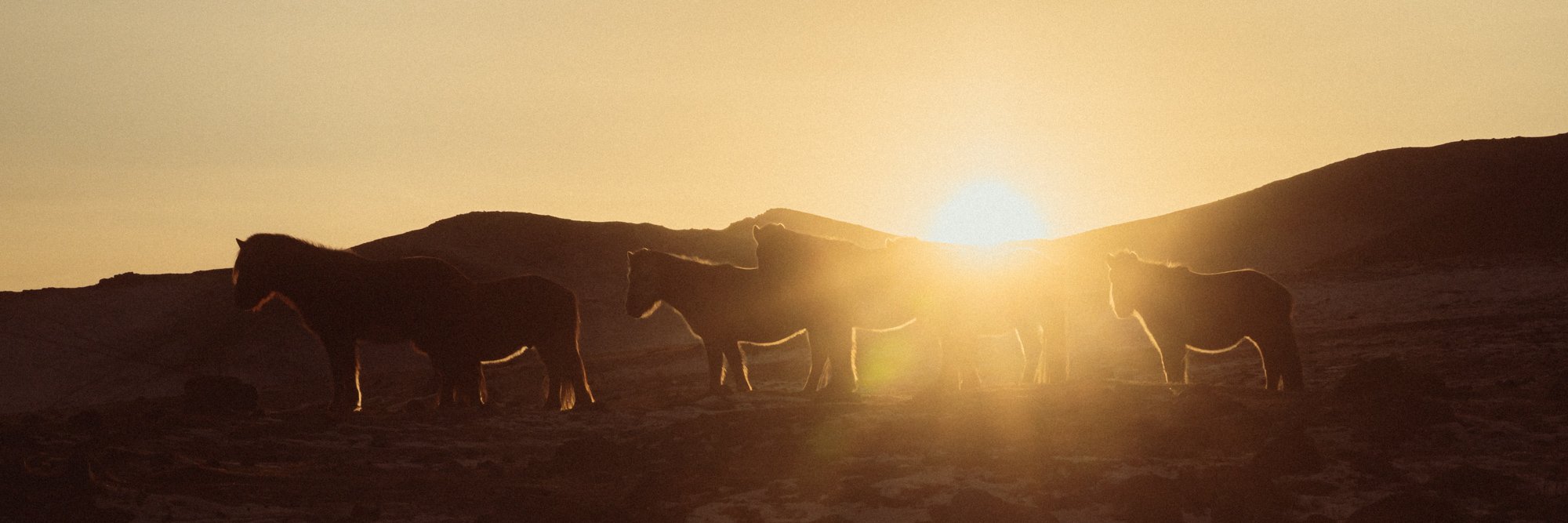
The Solitude Factor
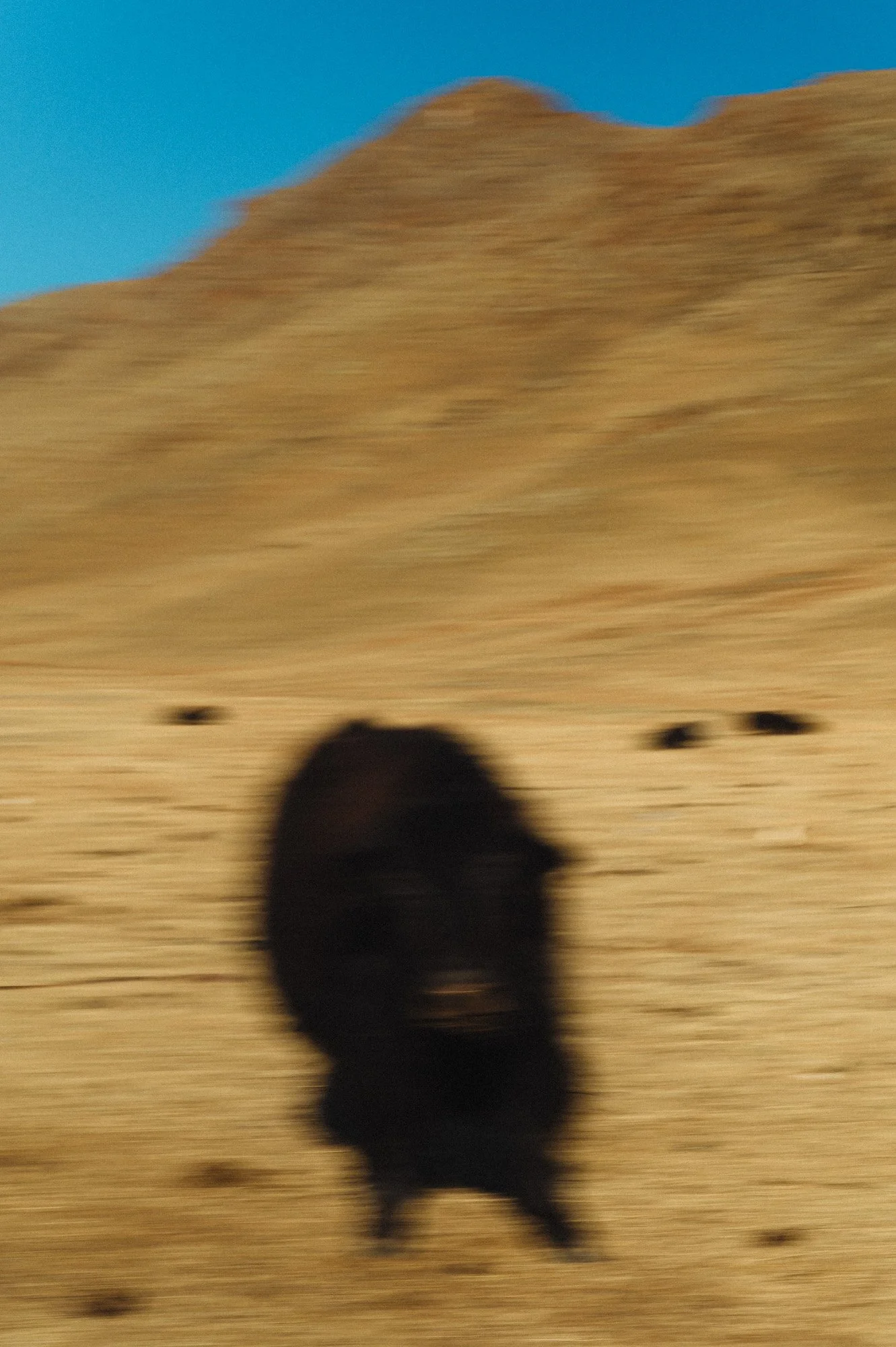
Traveling alone changes the work. With friends, you are distracted. Alone in Bat-Ulzii, I was in a bubble. I could wake up before dawn or lie in the snow waiting for a yak to look at me without anyone complaining. This solitude pushes your creativity.
With that, add your choices of going to a wild place during a season nobody dares to experience, and you will get a lot of inspiration and unique pictures. Sometimes it can be as easy as just going to some place people don't recommend you to, of course, as long as it's safe, but that explains why war photography is so unique too. Only rare photographers can access these areas.
Spending this time in immersion with this family was a boost of energy for my photography. I rarely have been that much happy with my pictures specifically in such a short time. I often wanted to travel for a month to explore a country, but it made me realize that I might not need to do this anymore.
Is it my recent experience, my ideas grown mature? I don't know, but this trip really made me proud of my life.
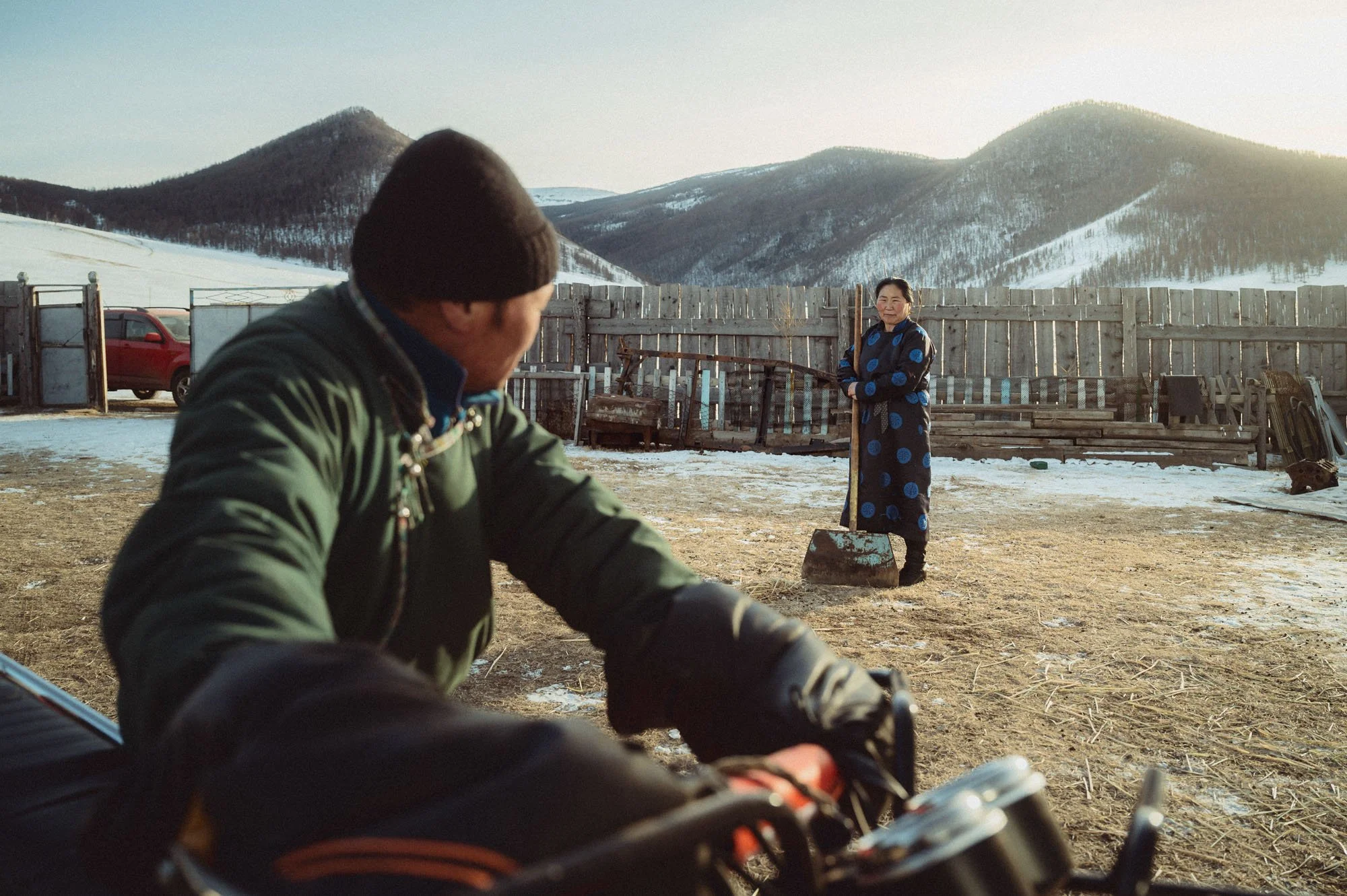
I still have a place I want to show you from Mongolia. As I told you, I went to the Goby desert for a few days as well, and I got once again very interesting pictures that I am looking forward to sharing!
Thanks for reading. See you around.
Key Locations:
Ulaanbaatar: Polluted, chaotic starting point.
Bat-Ulzii: The real deal. 8 hours west.
Orkhon Valley: Nearby, but in winter, it's just you and the ice.
Watch the full immersion on YouTube: https://youtu.be/63mfe1UkpRc
See the daily shots on Instagram: https://www.instagram.com/bylambda?igsh=MXFvN3k1YmJ3aGg3ag%3D%3D&utm_source=qr