
Finding Dystopian Beauty: My Street Photography Trip to Ulaanbaatar in Winter
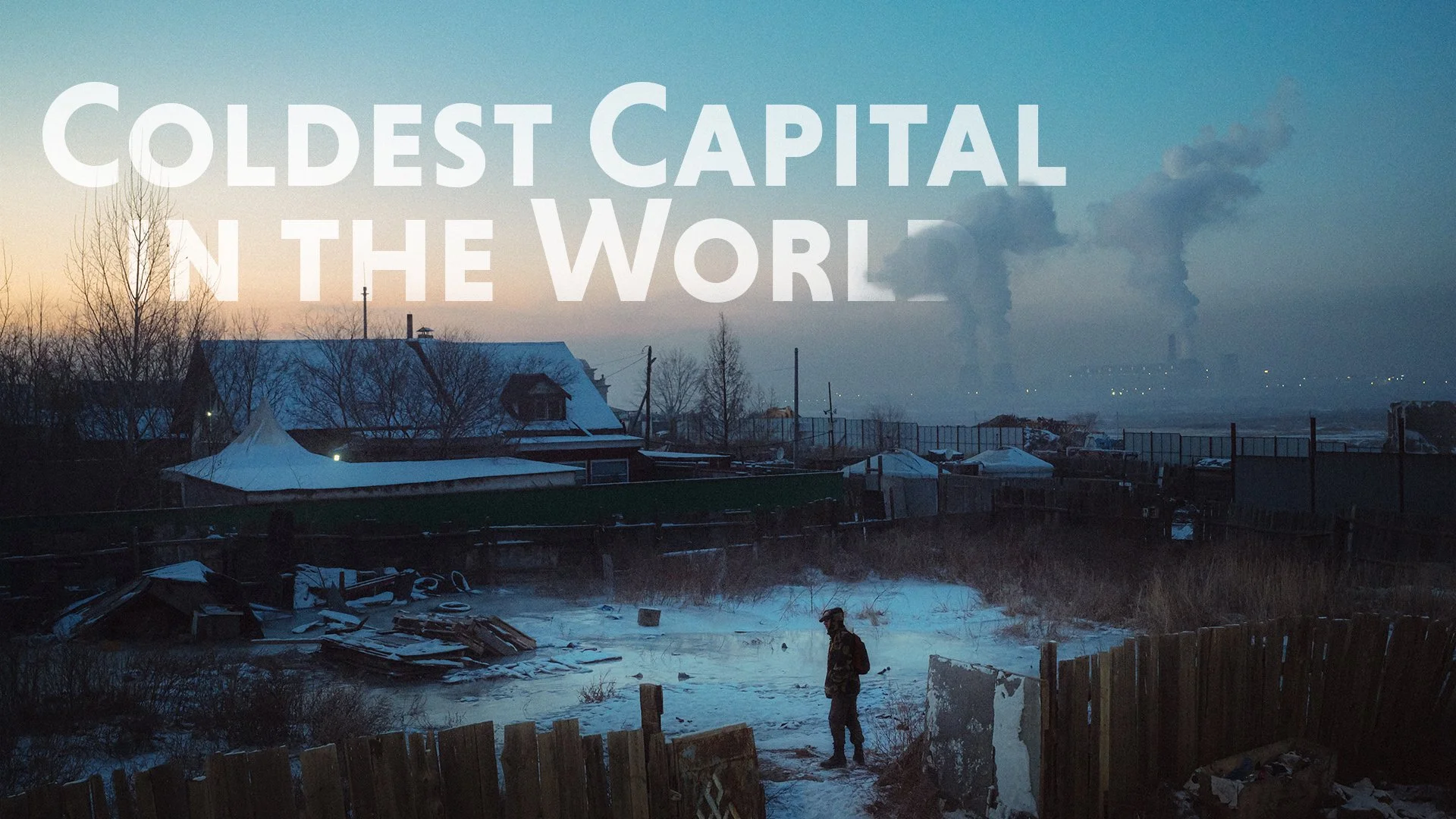
Welcome to Mongolia!
When you picture Mongolia, you probably imagine vast, empty steppes, nomadic horsemen, and Genghis Khan. I'm pretty sure you can picture all that. But can you do the same for its capital, Ulaanbaatar?
Let me paint a picture for you: one of the coldest capital cities in the world. A lot of pollution. Heavy, imposing Soviet architecture.
For most people, that sounds like a place to avoid, especially when planning on traveling to Mongolia. But for me, I saw it as something else: a good playground for street photographers.
That was the whole purpose of my street photography trip to Mongolia. I wanted to see what this city had to offer through my eyes, so I spent five days just walking, exploring, and trying to capture its unique essence.
Chapter 1: The Arrival: "What Am I Doing Here?"
I’m not going to lie, arriving in Ulaanbaatar for winter travel is a shock. You step out into this world of raw concrete, and everything is silent. There’s almost nothing happening in the streets. You immediately think, "What am I doing here?"
You’re just waiting for something to happen. It's hard to get used to the place, to the dynamic of the country, or the lack of one. In winter, everything is kind of dead.
But at the same time, this is exactly the kind of place that forces you outside your comfort zone. As a travel photographer, that’s what I loved about it.


Chapter 2: The Challenge of Ulaanbaatar Street Photography
As a travel photographer, I’ve traveled a lot in Asia, but this was completely different. When you picture an Asian country, you think of dynamic energy, everybody outside, almost too much action. That’s why I love street photography in Southeast Asia. People live their lives in the street, and it makes getting pictures easy.
Mongolia is another story.
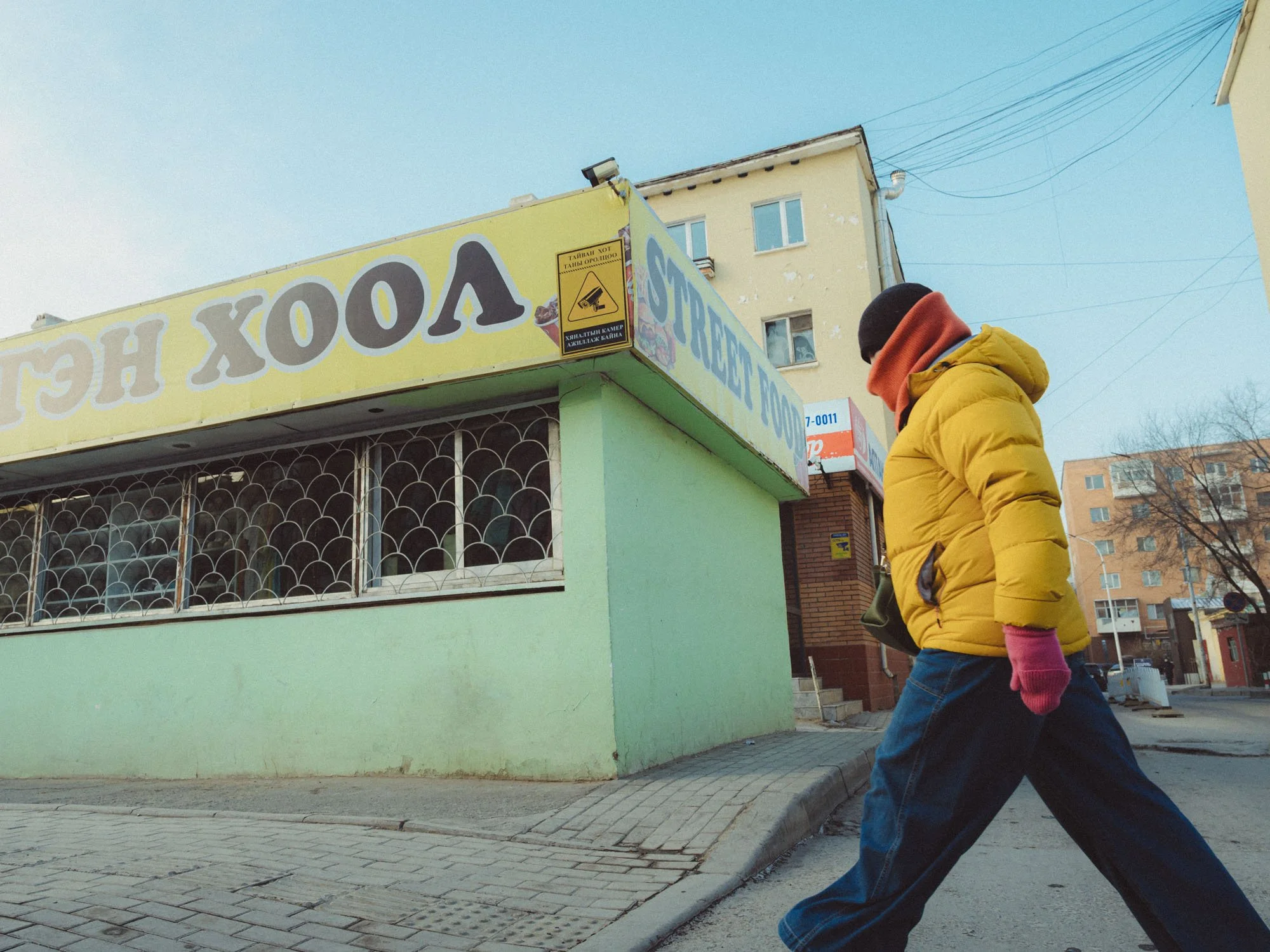
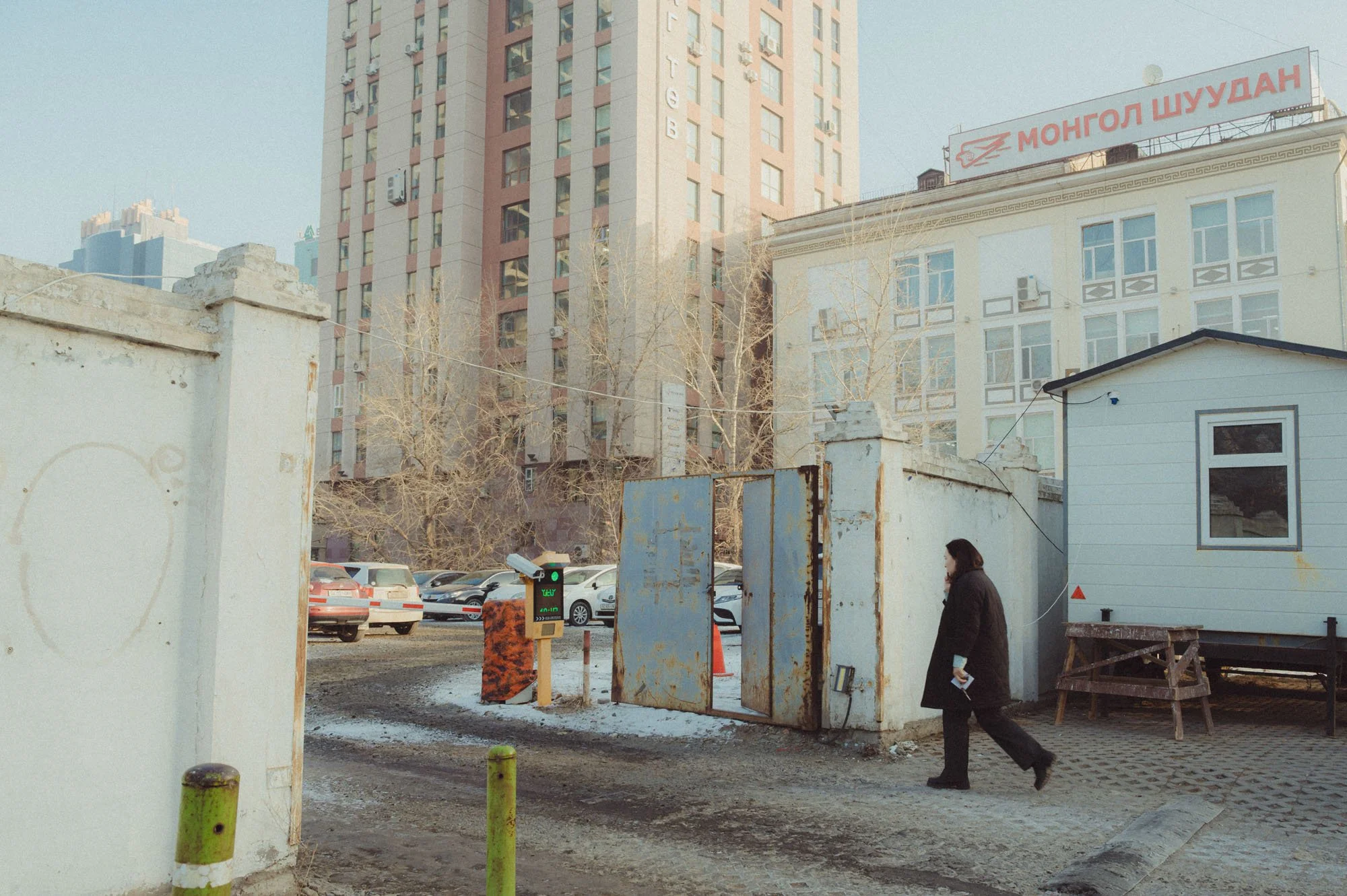
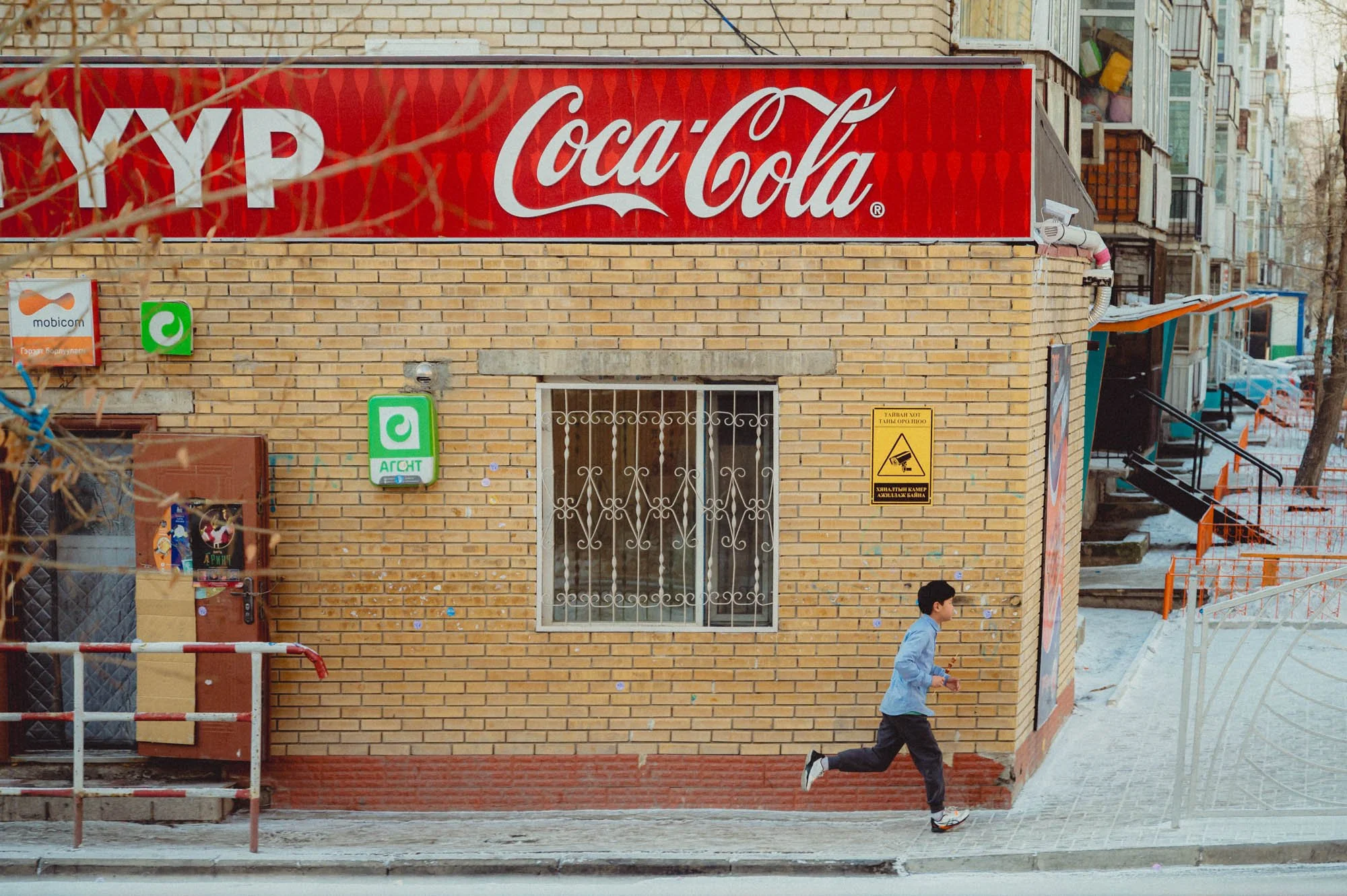
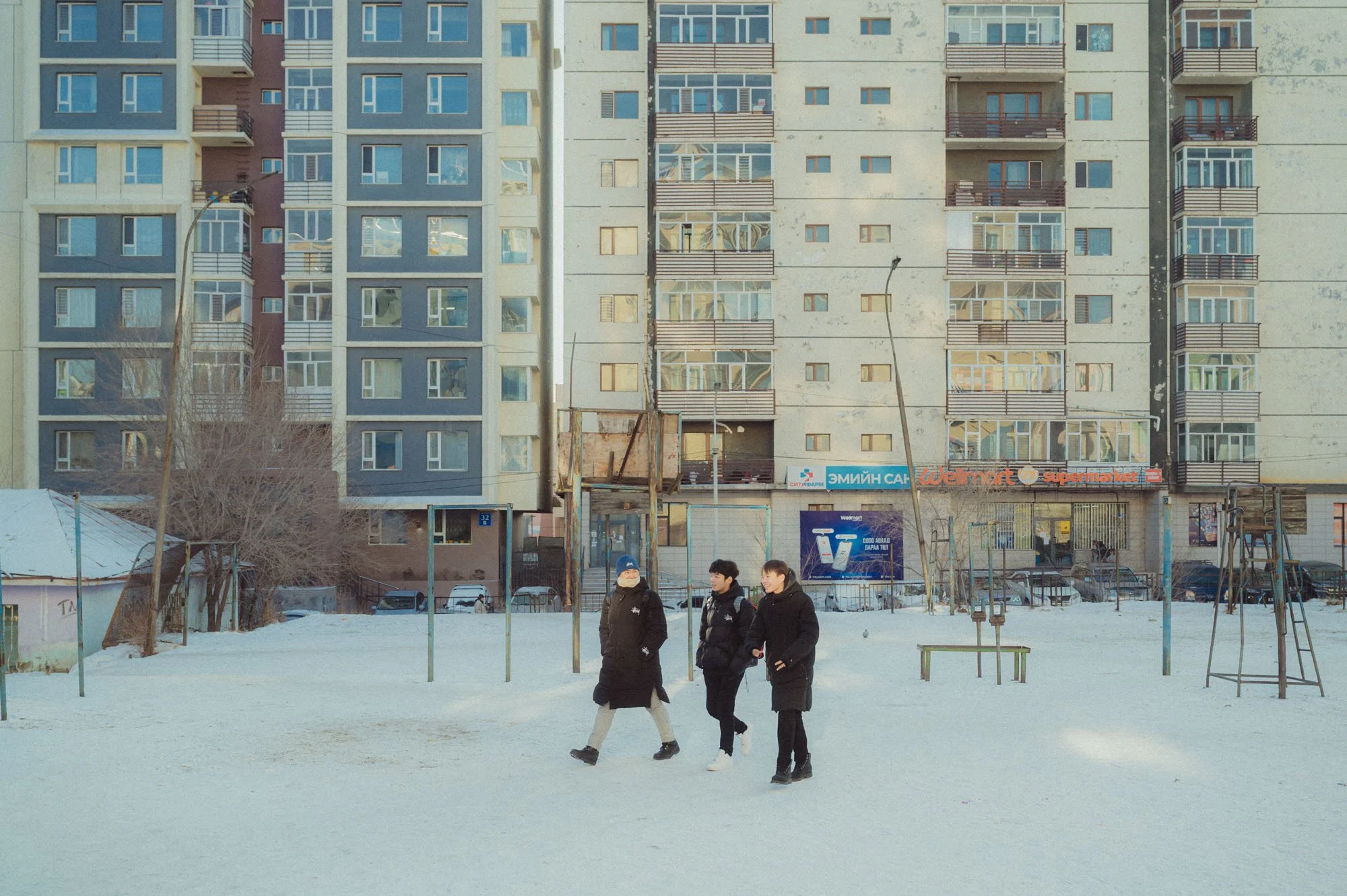
Ulaanbaatar is an old, Soviet-looking place. It reminded me so much of Poland, where I used to live, with some of the streets and some of the buildings. But here, it was dead outside.
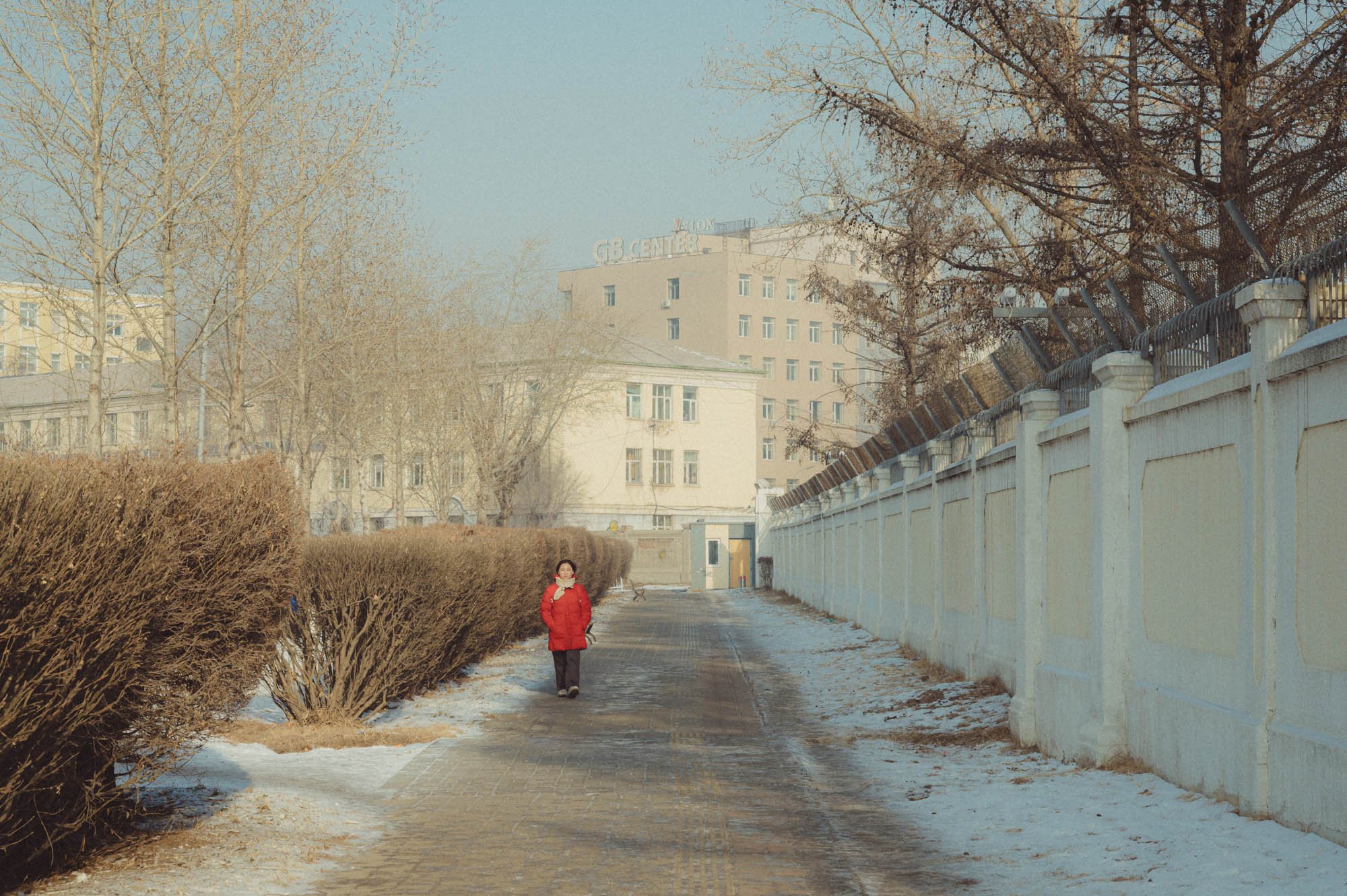
I spent hours and hours every day just walking, and most of that time, I felt like I was doing absolutely nothing. It’s not a very welcoming place. It’s freezing cold, people are just trying to survive, bundled up inside their clothes. It’s dark, it’s gray.
This makes street photography in Mongolia a unique challenge. When you’re in a bustling market in Hanoi, no one notices you. Here, it's different. You might be one of only two people on the entire street. If you raise your camera, it’s very obvious. It’s even harder when the few people you do see are three times wider than you and look like they could crush you with one fist.
I even had a kid, probably 13 years old, flash an "American Fist" (brass knuckles) at me, yelling "No photo, no photo!"
It’s just the feeling you get. The city feels poor in areas, with a lot of very simple houses next to new construction. It doesn't immediately feel safe, even though, I must say, nothing bad ever happened to me. Everyone I actually interacted with was very friendly. It's just the initial vibe that's so intimidating.
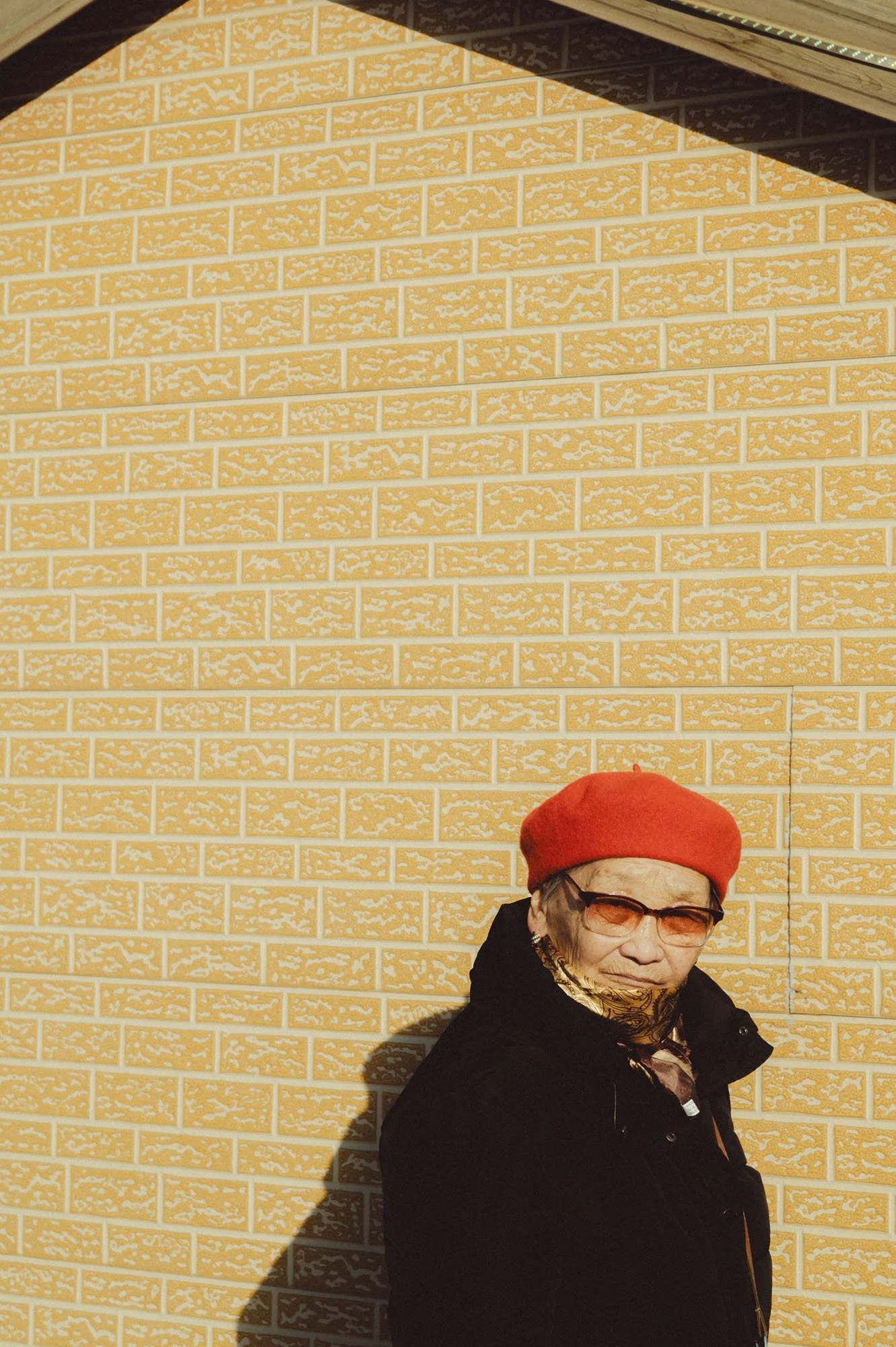
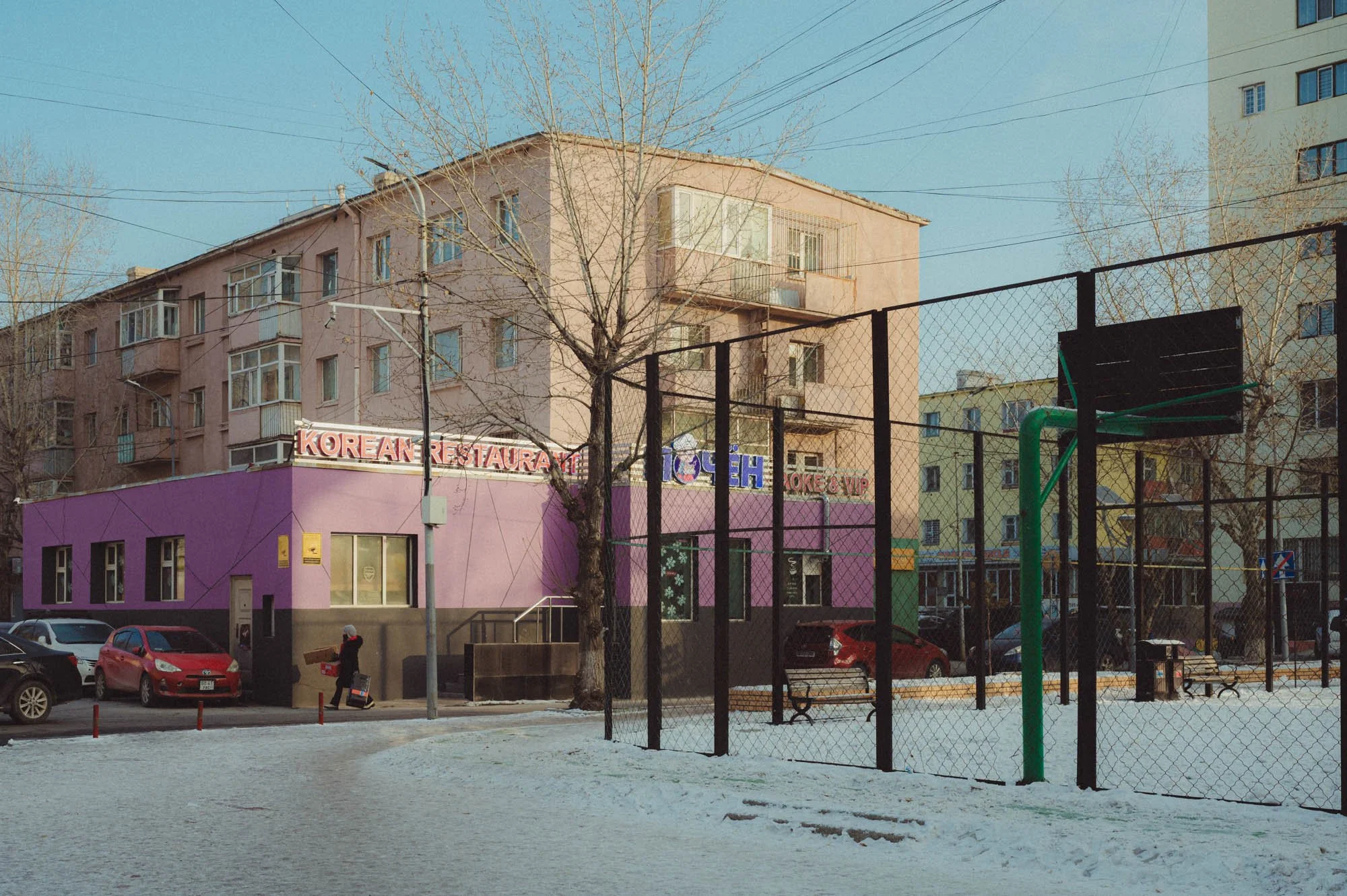






Chapter 3: Finding Beauty in the Bleakness
Every time someone told me, "You shouldn't go in winter," it just made me want to go even more.
That’s the key if you want your street photography to be original and personal. If you go to the same places everyone else goes, at the same time everyone else goes, you’re going to take the same pictures. You have to go outside that spectrum.
This is why traveling to Mongolia in winter was the right choice.
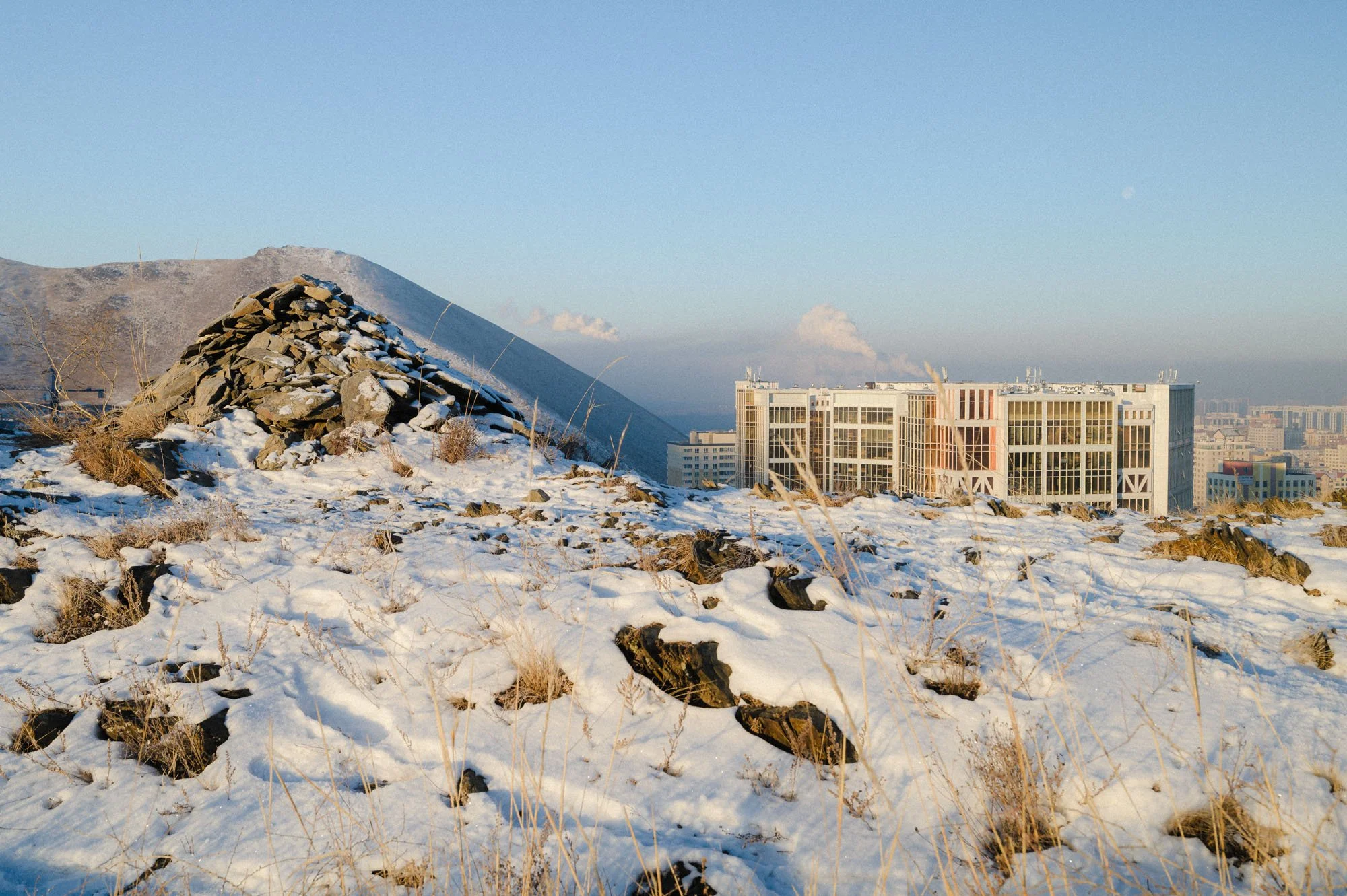
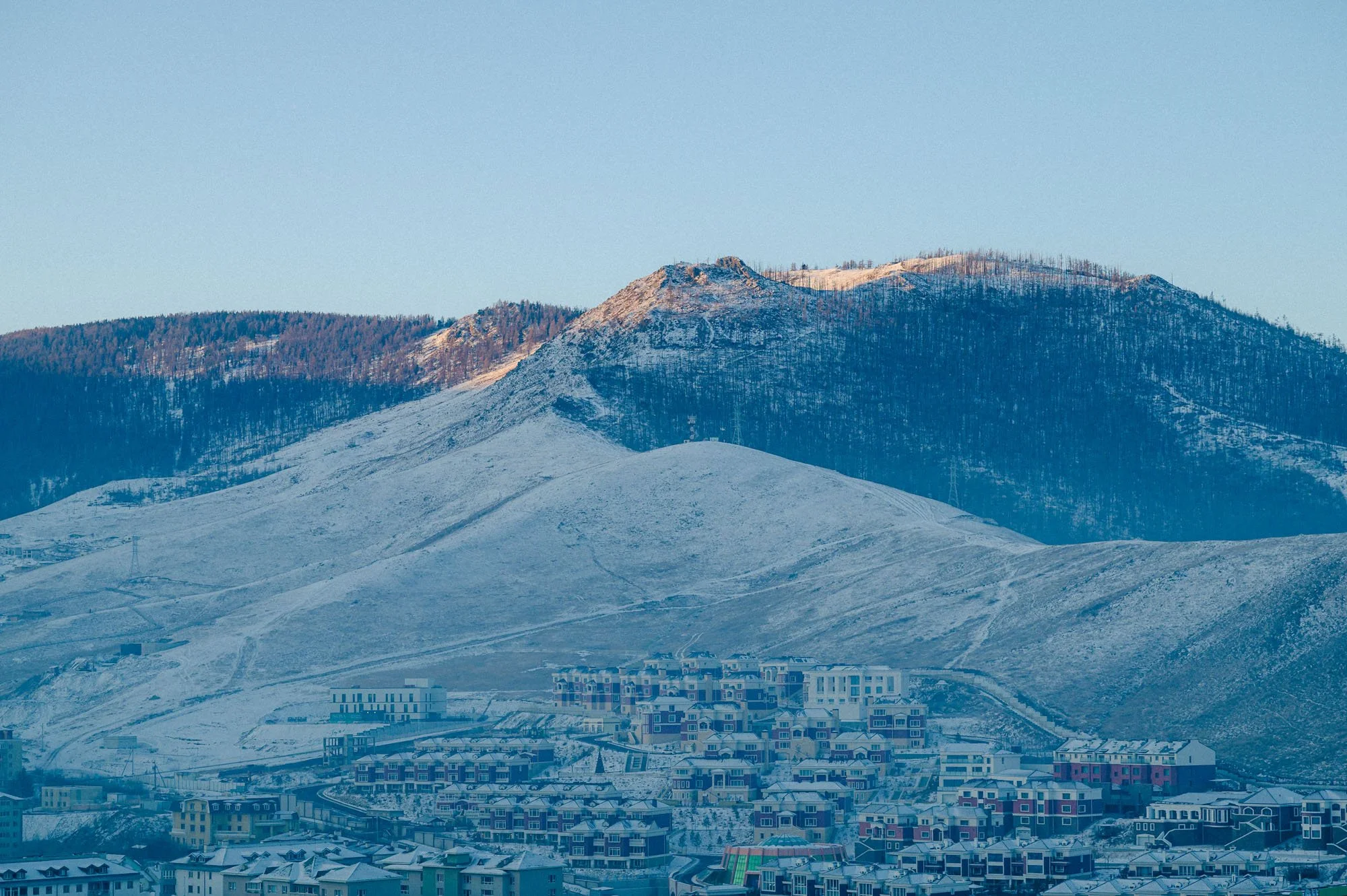
One morning, I went to the Zaisan Memorial, a huge monument overlooking the city. Normally, it’s packed with tourists. But it was December 17th, almost 9 a.m., and -15°C. There was absolutely nobody. It was perfect for my style of photography.
The view from there was incredible. You can see the whole city, the pollution, and the factories. And one good thing about Ulaanbaatar is its altitude. It’s 1,300 meters high. This means the sun rises pretty late, so you don’t have to wake up at 5 a.m. to catch the first light.
Of course, the light wasn't always easy. There were so many days that were just flat, grey, and overcast, with no contrast. But you just keep walking, keep trying.



Chapter 4: The Outskirts and the Dystopian Giants
When you arrive in Ulaanbaatar, one of the first things that shocks you, the things you see popping up in front of your face, are the power plants.
There are two or three of these massive, coal-fired power plants. They are a huge reason why the city is one of the most polluted in the world. I’ve lived in Seoul, and I thought the pollution there was crazy. But this is another level. You see this big gray cloud surrounding the city, and you can feel it with your nose.
I knew right away this was my subject. This was the story for my Ulaanbaatar street photography.
I decided to get closer. I hopped in a taxi (they're very cheap) and just drove out to the industrial areas to explore these places, to document this other side of the city.


Chapter 5: An Industrial Welcome (and a Pack of Dogs)
So, I’m in this industrial area, right next to one of the power plants, trying to get pictures. The air is so dry and polluted my face instantly turned red.
I found this little house with beautiful, pastel-colored walls, faded by time. I was framing a travel photography shot with the massive power plant smoking in the background. Then, three little puppies came running up to me. They were super cute.
I was taking pictures of them, and to get a better angle, I got lower to the ground.
Big mistake.
As soon as I kneeled down, the puppies started barking. Instantly, three huge adult dogs, their parents, came sprinting over. They started barking aggressively, faking attacks, trying to get me away from the puppies.
I started walking backward, keeping my eye on them. Then, something amazing happened. All the cars on the road next to us started honking like crazy, using their horns to scare the dogs away and help me.
It was intense, but it worked. I knew there were a lot of territorial dogs, but this was a reminder that I was on their turf, near their family. In a way, it was the perfect Ulaanbaatar experience: raw, intimidating, but with a strange, unexpected helping hand.


Conclusion: Smoke and Sunsets
Mongolia is famous for its nature. I think that's another reason I wanted to go in winter. I knew the vast countryside would be mostly inaccessible, forcing me to focus on the city. I’d seen pictures from other photographers and I wanted to add my own perspective, documenting the outskirts for a different kind of Mongolia travel blog.
As artists, we’re always struggling to find a way to take pictures of things we’ve never seen before, or to see things in a new way.
As I stood there, watching the sunset, the sky lit up. And in the background, the smoke from the power plant was billowing up into the cold air.
I know it’s an industrial plant, and it’s pollution. But I’m sorry, it just looked beautiful to me.
If you want to see this whole journey for yourself, you can watch the full video of my trip on YouTube. It really brings these stories and photos to life.


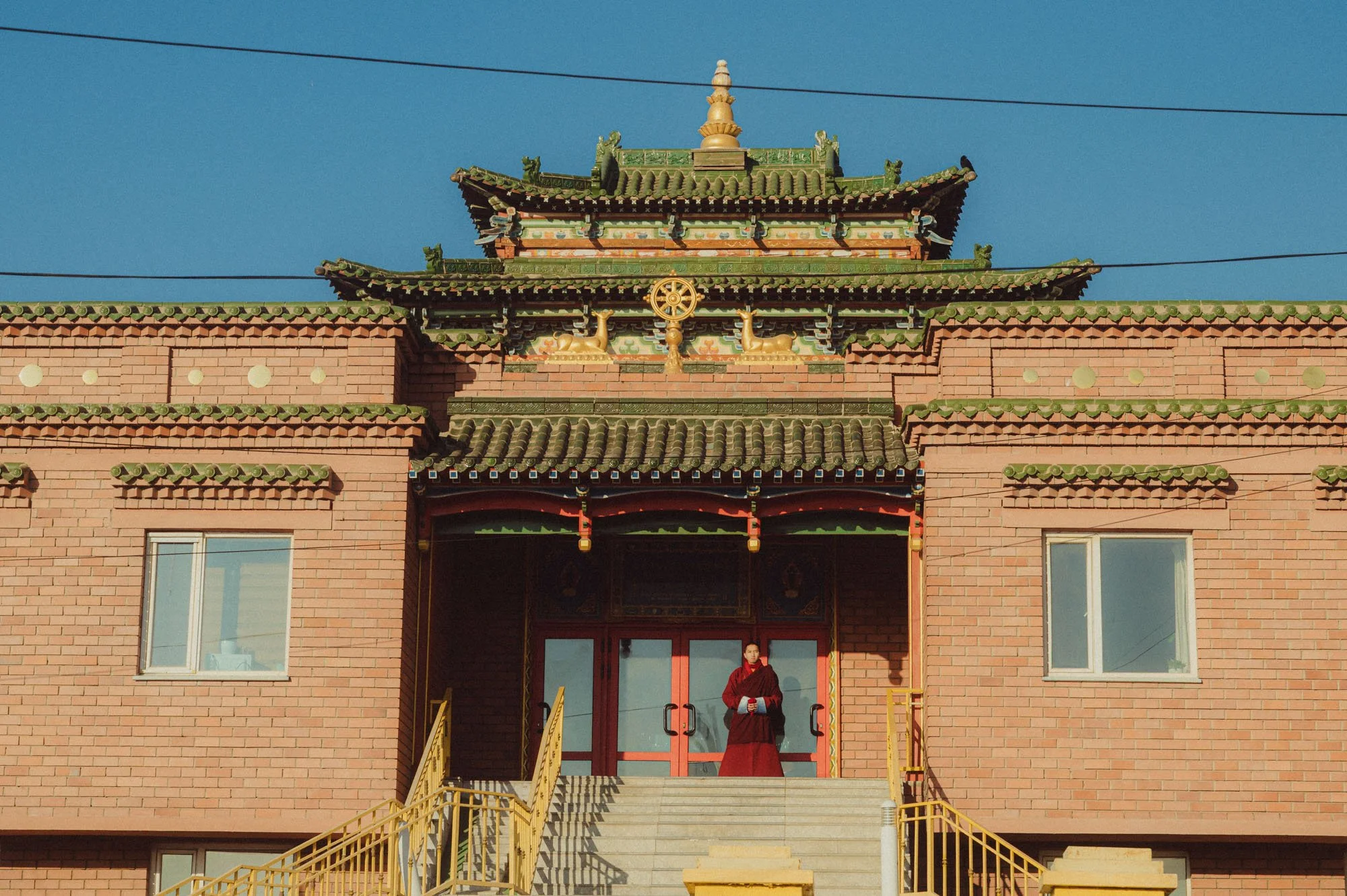


A huge special thanks has to go to my friend Benjamin Lamy, who composed the beautiful and haunting music for the video. It captured the atmosphere perfectly. You can check out more of his incredible work on his website: https://www.benjamin-lamy.com/
And here is the link to the video: https://www.youtube.com/watch?v=WHY5EZCeLoc
Thanks for reading. Don't forget to subscribe to my channel, because I have another video coming from the countryside. That trip was crazy. We were sleeping at -25°C and having your water bottle freeze solid by morning. The pictures that came from that are... well, I'll just have to show you next time.